Innovation Beyond Westminster: The UK Entrepreneurs Revolutionising Plastic Alternatives
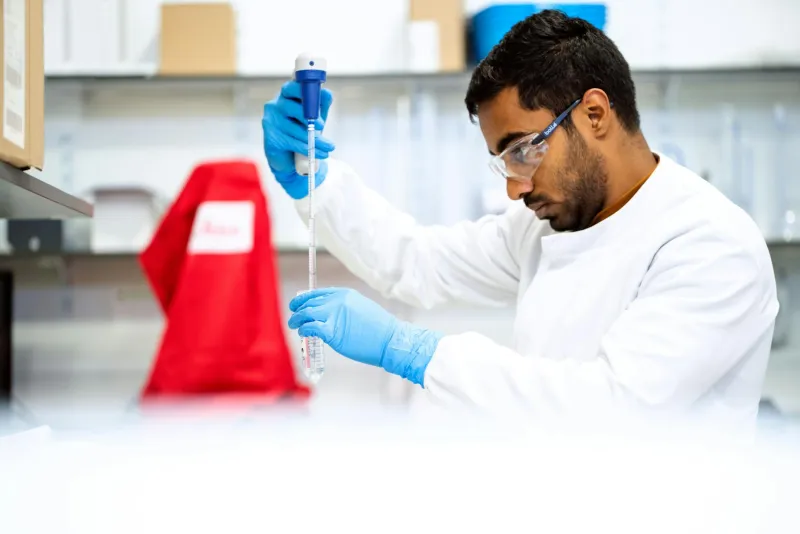
Whilst Parliament debates the finer points of plastic taxation and recycling targets, a remarkable transformation is occurring across Britain's industrial landscape. From converted warehouses in Manchester to marine research facilities in Cornwall, innovative companies are developing practical alternatives to single-use plastics that work in the real world—not just in ministerial speeches.
These enterprises represent more than mere startup optimism; they embody a pragmatic response to the plastic crisis that prioritises results over rhetoric. Here are ten British companies proving that environmental innovation doesn't require government permission to succeed.
1. Notpla (London) - Ocean-Derived Packaging Revolution
Founded by Imperial College graduates, Notpla has transformed seaweed and other marine plants into viable packaging materials. Their breakthrough Ooho! sachets, designed to replace plastic condiment packets, dissolve completely in water or can be safely consumed.
The company's impact extends beyond novelty applications. Major food festivals across the UK now use Notpla's seaweed-based containers, eliminating thousands of plastic takeaway boxes monthly. Their technology has attracted investment from major venture capital firms and partnerships with global brands seeking credible plastic alternatives.
Where to find them: Select food festivals and events; expanding retail partnerships planned for 2024.
2. Frugalpac (Hertfordshire) - Revolutionary Wine Bottle Design
Frugalpac's Frugal Bottle represents a masterclass in practical innovation. Made from 94% recycled cardboard with a thin plastic liner, these wine bottles are five times lighter than glass equivalents and generate 84% fewer carbon emissions during production.
The company has secured partnerships with vineyards across Europe and Australia, with British wine producers increasingly adopting the technology. The bottles maintain wine quality whilst dramatically reducing transportation costs and environmental impact.
Where to find them: Majestic Wine stores and selected independent retailers; expanding availability through major supermarket trials.
3. Shellworks (London) - Crustacean Shell Bioplastics
Shellworks has developed a method for converting discarded lobster and crab shells into biodegradable plastic alternatives. Their material maintains the durability of conventional plastics whilst breaking down completely in marine environments within months.
The startup's partnerships with seafood processors across Scotland and Cornwall create a circular economy model, transforming waste products into valuable materials. Their technology addresses two environmental challenges simultaneously: plastic pollution and shellfish waste disposal.
Where to find them: Currently in pilot programmes with cosmetics brands and food packaging companies.
4. ByFusion (Manchester) - Plastic Waste Construction Materials
ByFusion Manchester has developed technology that transforms mixed plastic waste into construction blocks without requiring sorting, washing, or chemical additives. Their ByBlocks can replace concrete in non-structural applications whilst diverting plastic waste from landfill.
The company processes plastic waste that would otherwise be incinerated or exported, creating building materials with superior insulation properties. Local councils across Greater Manchester are trialling ByBlocks for park furniture and temporary structures.
Where to find them: Pilot projects across Manchester and surrounding areas; expanding to other UK cities in 2024.
5. Xampla (Cambridge) - Plant Protein Packaging Films
Spun out of Cambridge University research, Xampla creates plastic film alternatives from plant proteins. Their materials provide superior barrier properties for food packaging whilst dissolving harmlessly in water or composting systems.
The company's technology has attracted partnerships with major food manufacturers seeking alternatives to problematic multilayer plastic films. Xampla's materials maintain product freshness whilst eliminating the recycling challenges associated with conventional flexible packaging.
Where to find them: In development with major food brands; consumer products expected in late 2024.
6. Plenish (London) - Refillable Cleaning Revolution
Plenish has reimagined household cleaning products through concentrated formulations and reusable packaging systems. Their approach eliminates up to 90% of packaging waste compared to conventional products whilst maintaining cleaning effectiveness.
The company's subscription model delivers concentrated cleaning solutions in compostable pods, designed for mixing with water in permanent containers. This approach has gained traction among environmentally conscious consumers seeking practical alternatives to plastic-heavy cleaning products.
Where to find them: Direct-to-consumer online; expanding into selected Waitrose stores.
7. Tipa (London Operations) - Compostable Flexible Packaging
Tipa's UK operations focus on developing compostable alternatives to flexible plastic packaging used in food and fashion industries. Their materials break down completely in industrial composting facilities whilst providing equivalent protection to conventional plastics.
The company works with British brands across multiple sectors, from organic food producers to sustainable fashion labels. Tipa's materials address one of the most challenging aspects of plastic waste: the flexible films that comprise a significant portion of non-recyclable packaging.
Where to find them: Various organic and sustainable brands; check packaging labels for Tipa certification.
8. Kelpi (Dundee) - Seaweed-Based Plastic Films
Kelpi transforms abundant Scottish seaweed into biodegradable plastic films suitable for food packaging applications. Their materials provide moisture barriers equivalent to conventional plastics whilst supporting marine ecosystem regeneration through sustainable seaweed harvesting.
The company's approach creates economic opportunities for coastal communities whilst addressing plastic pollution. Kelpi's films are being tested by major food manufacturers seeking alternatives to problematic packaging materials.
Where to find them: Currently in commercial trials; consumer products expected in 2024.
9. Mimica (London) - Smart Expiry Labels
Mimica's innovative approach tackles food waste through intelligent packaging labels that change colour to indicate actual freshness rather than arbitrary expiry dates. Their technology reduces both food waste and the packaging required for preservation.
The company's labels use natural materials that react to the same factors that cause food spoilage, providing accurate freshness indicators. This technology has attracted interest from major retailers seeking to reduce food waste whilst improving customer confidence.
Where to find them: Pilot programmes with major UK retailers; expanding commercial deployment planned.
10. Epoch Biodesign (Newcastle) - Bacterial Plastic Degradation
Epoch Biodesign has developed engineered bacteria capable of breaking down plastic waste into harmless compounds. Their technology offers potential solutions for contaminated plastic waste that cannot be mechanically recycled.
The company's biotechnology approach addresses plastic pollution at source, transforming problematic waste streams into valuable resources. Their work represents a fundamental shift from waste management to waste elimination.
Where to find them: Currently in research and development phase; commercial applications expected in coming years.
The Innovation Imperative
These companies demonstrate that Britain's plastic crisis has practical, scalable solutions that don't require decades of legislative development. Their success challenges the narrative that environmental progress must wait for government action or consumer behaviour change.
Moreover, these enterprises prove that environmental innovation can drive economic growth whilst addressing urgent ecological challenges. They represent a new model of capitalism that prioritises planetary health alongside profit—a model that Britain is uniquely positioned to lead globally.
For consumers seeking to support genuine environmental innovation, these companies offer tangible alternatives to plastic-dependent products. Their success depends not just on technological excellence, but on market support from citizens willing to embrace new approaches to familiar challenges.
The plastic promises these entrepreneurs make are backed by patents, partnerships, and proven results—a refreshing contrast to the hollow commitments that too often characterise corporate environmental pledges.