Artificial Grass: The Synthetic Epidemic Silently Poisoning Britain's Green Spaces
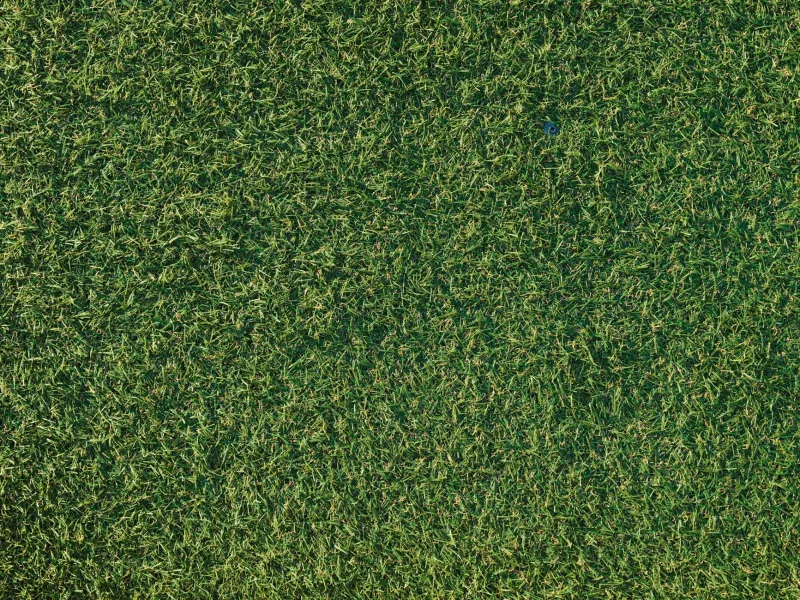
The Great Green Deception: Britain's Plastic Lawn Revolution
Across Britain's suburbs, a quiet revolution has transformed millions of gardens from living ecosystems into synthetic landscapes. What estate agents euphemistically term "low-maintenance artificial grass" represents one of the most insidious forms of plastic pollution: a contamination source that operates continuously, invisibly, and entirely without regulatory oversight.
Conservative estimates suggest that Britain now hosts over 2.8 million artificial grass installations, from modest suburban gardens to sprawling sports complexes. Each square metre sheds approximately 3,000 microplastic fragments annually—particles so minute they penetrate soil, contaminate groundwater, and ultimately reach coastal environments where they accumulate in marine food chains.
The Hidden Mechanics of Microplastic Pollution
Unlike the visible plastic crisis of bottles and packaging, artificial turf pollution operates through gradual degradation. Weather exposure, foot traffic, and maintenance activities systematically break down synthetic fibres into microscopic fragments that disperse through multiple pathways.
Dr. Rebecca Matthews, a microplastics researcher at Plymouth University, describes the contamination process: "Every rainfall event, every mowing session, every football match releases thousands of plastic particles. We're essentially carpeting Britain with slow-release pollution devices."
Recent soil analysis conducted across twenty artificial grass sites in Greater Manchester revealed microplastic concentrations fifty times higher than adjacent natural areas. These particles persist in soil for decades, potentially centuries, whilst continuously leaching chemical additives including stabilisers, colorants, and UV inhibitors.
Corporate Negligence: The Artificial Turf Industry's Environmental Blindness
Britain's artificial grass market, valued at approximately £150 million annually, operates with remarkable environmental complacency. Major suppliers including Astro Turf, LazyLawn, and Namgrass promote their products through sustainability claims that focus exclusively on water conservation whilst ignoring plastic pollution entirely.
Industry marketing materials routinely emphasise "eco-friendly" credentials based on eliminating pesticide use and reducing water consumption. However, these benefits pale beside the environmental damage caused by continuous microplastic shedding over product lifespans exceeding fifteen years.
Particularly concerning is the sector's aggressive targeting of environmentally conscious consumers. Companies exploit legitimate concerns about lawn maintenance chemicals and water usage to promote artificial alternatives without disclosing their plastic pollution impacts.
Local Authority Complicity: Councils Enable Environmental Vandalism
British local authorities bear significant responsibility for the artificial turf epidemic through procurement decisions that prioritise short-term cost savings over environmental protection. Sports facility managers routinely specify synthetic pitches without conducting environmental impact assessments or considering long-term contamination consequences.
Freedom of Information requests reveal that fewer than twelve percent of English councils maintain artificial grass pollution monitoring programmes. Most authorities remain unaware of microplastic shedding from their own facilities, let alone private installations within their jurisdictions.
The contrast with European practice is stark. Netherlands municipalities now require environmental impact assessments for large artificial turf installations, whilst several German cities have banned synthetic grass in sensitive ecological areas.
The Sports Governance Scandal: Governing Bodies Ignore Environmental Evidence
British sports governing bodies have systematically ignored mounting evidence of artificial turf's environmental impact whilst promoting synthetic surfaces as performance enhancers. The Football Association, Rugby Football Union, and England Hockey continue recommending artificial pitches without acknowledging their pollution potential.
This institutional blindness extends to community sport programmes. Sport England's facility development guidelines mention sustainability only in relation to energy efficiency and accessibility, completely omitting plastic pollution considerations.
The irony is profound: organisations dedicated to promoting healthy lifestyles actively endorse infrastructure that contaminates the environments where future generations will pursue those same activities.
Domestic Disaster: Homeowners as Unwitting Polluters
The artificial grass industry's most successful deception involves convincing homeowners that synthetic lawns represent environmentally responsible choices. Garden centres across Britain now dedicate substantial retail space to artificial turf displays that emphasise convenience whilst concealing environmental consequences.
Surveys indicate that approximately sixty percent of artificial grass purchasers believe their installations benefit rather than harm local environments. This misunderstanding results from sophisticated marketing campaigns that exploit genuine environmental concerns whilst promoting environmentally destructive solutions.
The demographic most susceptible to this manipulation—affluent homeowners in water-stressed regions—paradoxically demonstrates high environmental awareness in other consumption areas. The same consumers who carefully recycle packaging and choose organic food unwittingly install pollution sources that operate for decades.
Natural Alternatives: Rediscovering Authentic Sustainability
Despite industry propaganda, numerous natural lawn alternatives offer genuine environmental benefits without plastic pollution risks. Native wildflower meadows, clover lawns, and moss gardens provide low-maintenance ground cover whilst supporting local biodiversity and soil health.
Innovative landscape designers increasingly promote "rewilding" approaches that eliminate traditional lawn maintenance whilst creating habitats for declining species. These solutions require initial investment in design expertise but deliver long-term environmental and economic benefits without ongoing pollution generation.
The emergence of drought-resistant grass varieties bred specifically for British conditions further undermines artificial turf justifications. Modern cultivars require minimal watering whilst providing authentic green spaces that support rather than contaminate local ecosystems.
The Regulatory Void: Britain's Plastic Grass Free-for-All
Britain's artificial turf industry operates in a regulatory environment that would be unthinkable for other pollution sources. No agency monitors microplastic emissions, no standards govern environmental impact, and no requirements exist for end-of-life disposal planning.
This regulatory vacuum contrasts sharply with increasing restrictions on other plastic products. Whilst Britain bans plastic straws and cotton buds, it permits unlimited installation of far more environmentally damaging synthetic surfaces.
Environmental campaigners increasingly advocate for comprehensive artificial turf regulation modelled on European precedents. Proposed measures include mandatory environmental impact assessments, microplastic emission limits, and producer responsibility schemes for end-of-life management.
Breaking Britain's Plastic Grass Addiction
The artificial turf epidemic represents a perfect storm of corporate deception, regulatory failure, and consumer manipulation. Millions of Britons have unknowingly participated in environmental vandalism whilst believing they made responsible choices.
Reversing this trend requires confronting uncomfortable truths about convenience culture and challenging industries that profit from environmental destruction. The choice between authentic sustainability and plastic convenience has never been starker.
Britain's green spaces deserve better than synthetic substitutes that poison the soil they're meant to protect. The time has come to abandon the plastic grass fantasy and rediscover the authentic environmental benefits of living landscapes.