Britain's Nappy Valley: How Corporate Giants Trap New Parents in a Disposable Dependency Cycle
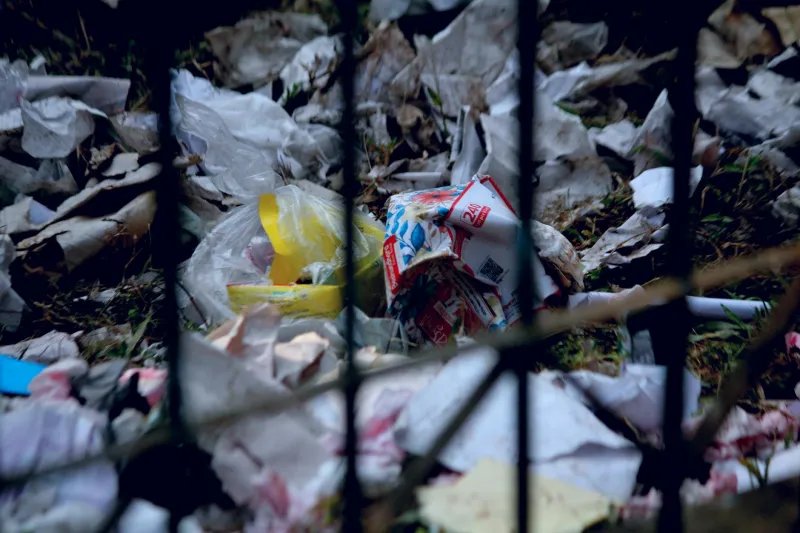
The Three Billion Nappy Mountain
In the sleepy hours when new parents stumble through midnight changes, few consider the environmental legacy of their choices. Yet Britain's nappy consumption represents one of the nation's most overlooked environmental disasters. Three billion disposable nappies enter British landfills annually—enough to stretch from London to Edinburgh if laid end to end. Each nappy requires 500 years to decompose, meaning every disposable nappy ever used in Britain still exists somewhere on our landscape.
This isn't merely a waste problem—it's the result of systematic corporate manipulation that has convinced generations of parents that convenience equals necessity. The disposable nappy industry, dominated by Procter & Gamble, Kimberly-Clark, and Unilever, generates £600 million annually in the UK whilst externalising environmental costs onto communities and future generations.
The Manufacturing of Parental Anxiety
Modern nappy marketing exploits the deepest parental fears: inadequacy, judgment, and harm to their child. Advertisements feature distressed babies in cloth nappies contrasted with content infants wearing disposables, subtly suggesting that choosing reusables constitutes neglect. This messaging proves particularly effective during the vulnerable postpartum period when parents desperately seek products promising to simplify their overwhelming new reality.
The industry's marketing budget dwarfs that of reusable alternatives. Pampers alone spends over £50 million annually on UK advertising, compared to the entire cloth nappy industry's combined marketing budget of under £2 million. This disparity ensures that exhausted parents encounter disposable messaging at every touchpoint—from hospital discharge packs to baby changing facilities branded with corporate logos.
Dr Emma Thompson, a child psychologist specialising in parental decision-making, observes: "Companies deliberately target parents during their most vulnerable moments. Sleep deprivation and anxiety make people susceptible to messaging that promises quick solutions, even when those solutions create long-term problems."
The Reusable Suppression Strategy
Rather than compete fairly with reusable alternatives, disposable nappy manufacturers employ sophisticated suppression tactics. They fund studies highlighting the water usage of washing cloth nappies whilst ignoring the environmental impact of plastic production. Corporate-sponsored research consistently concludes that disposables and reusables have comparable environmental impacts—a conclusion that independent lifecycle analyses consistently refute.
The industry also influences retail environments. Major supermarkets allocate entire aisles to disposable nappies whilst relegating reusable options to obscure corners or online-only availability. Store layouts guide parents toward disposable sections through strategic placement near baby food and formula—products parents purchase regularly.
When reusable manufacturers attempt to secure shelf space, they encounter demands for marketing contributions that small businesses cannot match. Tesco requires suppliers to fund promotional activities, whilst ASDA charges premium rates for prominent positioning. These barriers ensure that reusable options remain invisible to most consumers.
Economic Barriers and Social Justice
The disposable nappy industry's most insidious strategy involves exploiting economic inequality. A typical family spends £2,000 on disposable nappies per child, compared to £200-400 for a complete reusable system. Yet disposables appear more accessible because costs are spread over time, whilst reusables require upfront investment that many families cannot afford.
This dynamic creates environmental inequality where lower-income families contribute disproportionately to plastic waste despite having the least resources to address climate change impacts. Single parents, who comprise 25% of British families with young children, face particular pressure to choose convenience over sustainability due to time constraints and financial stress.
The government's failure to address this disparity reflects policy priorities that favour corporate interests over environmental justice. While ministers announce plastic reduction targets, they ignore subsidies and tax breaks that could make reusable nappies accessible to all families.
Healthcare System Complicity
Britain's NHS inadvertently reinforces disposable nappy dependence through institutional practices. Hospital maternity wards exclusively use disposables, creating parents' first nappy-changing experiences with plastic products. Discharge packs contain disposable samples but no information about reusable alternatives.
Health visitors receive training materials funded by nappy manufacturers, ensuring that professional advice subtly favours disposable options. The Royal College of Midwives accepts corporate sponsorship from Pampers, creating conflicts of interest that influence professional recommendations.
Some NHS trusts are beginning to recognise this complicity. Lewisham Hospital now provides information about reusable nappies to new parents, whilst several health visitor teams have partnered with local councils to offer nappy library services. However, these initiatives remain isolated exceptions rather than systematic policy changes.
The Grassroots Resistance
Despite corporate dominance, grassroots movements are challenging disposable nappy hegemony across Britain. The Real Nappy Campaign has supported over 100 local councils in establishing nappy libraries where families can borrow reusable systems before purchasing. These schemes demonstrate that when barriers are removed, many parents choose sustainable alternatives.
Cambridge City Council's nappy incentive scheme offers £30 vouchers toward reusable purchases, reducing household nappy waste by an average of 80%. Similar programmes in Brighton, Edinburgh, and Cardiff show consistent results: when councils invest in making reusables accessible, families respond positively.
Private nurseries are also driving change. Little Forest Folk, which operates across London, uses only reusable nappies and reports no increase in changing times or hygiene issues. Their success challenges industry claims that disposables are necessary for institutional childcare.
Innovation Beyond Corporate Control
Small British manufacturers are developing innovative reusable systems that address traditional concerns about cloth nappies. Companies like Bambino Mio and TotsBots have created products that rival disposables for convenience whilst eliminating plastic waste.
These innovations include all-in-one designs that eliminate folding and pinning, bamboo fibres that provide superior absorption, and washing systems that simplify maintenance. Modern cloth nappies bear little resemblance to the terry toweling squares that older generations remember.
Yet these companies struggle against corporate giants with unlimited marketing budgets and established retail relationships. Without policy intervention, innovation alone cannot overcome structural barriers that favour disposable products.
Policy Solutions and Political Will
Addressing Britain's nappy crisis requires acknowledging that individual choice operates within systems designed to favour unsustainable options. Policy solutions could include extended producer responsibility schemes that make manufacturers pay for disposal costs, tax incentives for reusable purchases, and mandated information provision about environmental impacts.
Several European nations demonstrate alternative approaches. Belgium subsidises reusable nappy purchases, whilst Germany requires retailers to stock cloth alternatives alongside disposables. These policies recognise that environmental protection requires more than consumer education—it demands systemic change.
Reclaiming Parental Agency
The disposable nappy industry's success depends on parents believing they lack alternatives. By exposing corporate manipulation tactics and highlighting successful reusable programmes, we can help families make informed choices aligned with their values.
Every parent wants the best for their child. The question facing Britain is whether we'll continue allowing corporations to define what "best" means, or whether we'll create systems that support families in making choices that protect both their children and the planet they'll inherit.
The three billion nappies entering British landfills annually represent more than waste—they symbolise a failure of imagination about what's possible when we prioritise long-term wellbeing over short-term convenience. Breaking free from this disposable dependency cycle requires recognising that the most convenient choice for parents may be the most inconvenient choice for the planet.