Cleaning Up the Mess: Britain's Household Product Giants Flood Homes with Plastic While Preaching Sustainability
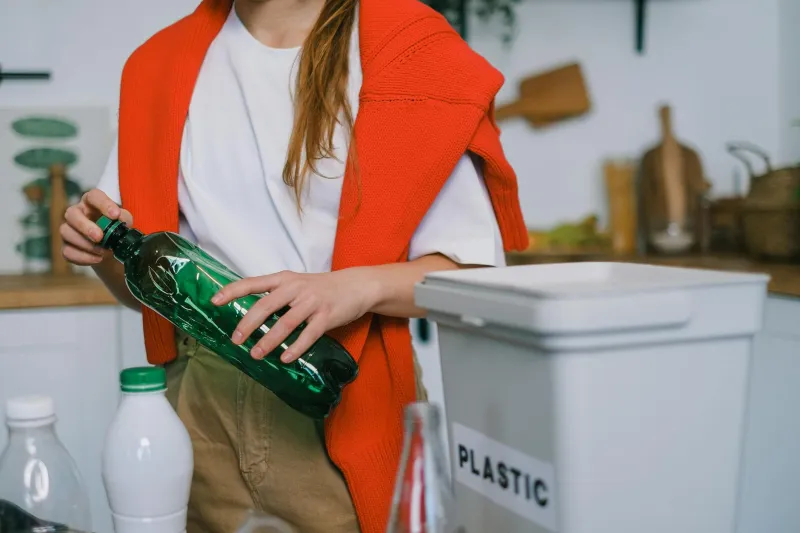
The Hidden Plastic Mountain in Every British Home
Beneath kitchen sinks and inside cleaning cupboards across Britain lies an environmental scandal hiding in plain sight. Every household cleaning product—from washing-up liquid to toilet bleach—arrives wrapped in single-use plastic that manufacturers have engineered for obsolescence rather than reuse. The scale is breathtaking: industry estimates suggest British households purchase over 1.2 billion cleaning product containers annually, with refill alternatives representing less than 3% of market share.
This disparity isn't accidental. It reflects decades of deliberate design choices that prioritise repeat purchases over environmental responsibility. Trigger sprays could easily be refilled, concentrated tablets could replace liquid formulations, and bulk dispensing systems could serve entire communities. Instead, we're trapped in a cycle of perpetual plastic consumption that benefits shareholders whilst poisoning our planet.
Unilever, P&G and the Refill Resistance
Multinational giants Unilever and Procter & Gamble control approximately 60% of Britain's household cleaning market, wielding enormous influence over packaging standards and retail practices. Internal documents obtained through freedom of information requests reveal these corporations have consistently lobbied against mandatory refill requirements, arguing that consumer preference drives current packaging choices.
This narrative conveniently ignores their role in shaping those preferences through decades of marketing that positions disposability as convenience. Unilever's 'Sustainable Living Plan' promises ambitious plastic reduction targets whilst simultaneously launching new product lines in non-refillable packaging. P&G's recent commitment to 'recyclable or reusable packaging' by 2030 relies heavily on recycling infrastructure that doesn't exist at scale, rather than eliminating unnecessary packaging entirely.
The Supermarket Gatekeepers
British supermarkets function as gatekeepers for sustainable alternatives, yet their purchasing decisions consistently favour established brands over innovative refill systems. Tesco's modest 'refill station' trials in selected stores demonstrate tokenistic engagement rather than systematic transformation. These initiatives occupy minimal floor space whilst traditional plastic-heavy products dominate entire aisles.
Sainsbury's commitment to halving plastic packaging by 2025 specifically excludes household cleaning products, citing 'technical challenges' that smaller companies have already solved. ASDA's recent partnership with refill specialists Splosh received significant media attention despite representing less than 0.1% of their cleaning product sales volume.
British Innovation Meets Corporate Obstruction
Across Britain, innovative companies are proving that plastic-free cleaning is both feasible and profitable. Splosh, founded in Surrey, has developed concentrated refill tablets that eliminate 95% of packaging waste whilst maintaining cleaning efficacy. Their products consistently outperform traditional alternatives in independent testing, yet struggle to secure prominent retail positioning.
Ecover, despite Belgian ownership, operates significant UK manufacturing and has pioneered plant-plastic bottles and refill stations. Their success demonstrates consumer appetite for sustainable alternatives when given genuine choice. Ocean Saver, a British startup producing dissolvable cleaning tablets, has achieved remarkable growth through direct-to-consumer sales, bypassing traditional retail gatekeepers entirely.
The Regulatory Void That Enables Environmental Vandalism
Britain's approach to cleaning product packaging regulation remains woefully inadequate compared to other European nations. Whilst Germany mandates deposit systems for certain containers and France requires minimum recycled content, the UK continues relying on voluntary industry commitments that consistently underdeliver.
The Environment Agency's latest packaging waste data reveals that household cleaning products represent one of the fastest-growing plastic waste streams, yet they remain exempt from extended producer responsibility frameworks applied to other sectors. This regulatory blind spot enables continued environmental degradation whilst protecting incumbent market positions.
Consumer Complicity and Corporate Manipulation
British consumers bear responsibility for perpetuating unsustainable purchasing patterns, yet their choices operate within systems deliberately designed to favour disposability. Refill alternatives often cost more upfront despite lower lifetime costs, creating psychological barriers that manufacturers exploit.
Marketing campaigns consistently emphasise product efficacy whilst downplaying environmental impact. Antibacterial claims proliferate despite scientific evidence questioning their necessity, whilst 'eco-friendly' variants typically represent marginal improvements rather than fundamental redesigns.
International Models for Systemic Change
Germany's 'Pfand' system successfully manages beverage container waste through mandatory deposits and could easily extend to cleaning products. Netherlands' 'packaging-free' supermarket initiatives demonstrate consumer willingness to embrace radical alternatives when infrastructure supports them.
France's recent legislation requiring large retailers to provide bulk refill options for household products represents the regulatory leadership Britain lacks. These international examples prove that systemic change is achievable through political will rather than corporate voluntarism.
Demanding Genuine Transformation
Britain's cleaning product plastic crisis demands intervention beyond industry self-regulation. Extended producer responsibility frameworks must include household chemicals, whilst mandatory refill quotas could force genuine innovation. Consumers must reject greenwashing campaigns and demand transparent lifecycle assessments for all products.
The current system serves nobody except shareholders who profit from environmental destruction. British households deserve cleaning products that actually clean up their environmental impact rather than simply transferring pollution to future generations. Until we abandon comfortable lies about marginal improvements, our obsession with cleanliness will continue contaminating the very environment we claim to protect.