Holiday Park Hypocrisy: Britain's Staycation Boom Conceals a Mounting Plastic Crisis
Holiday Park Hypocrisy: Britain's Staycation Boom Conceals a Mounting Plastic Crisis
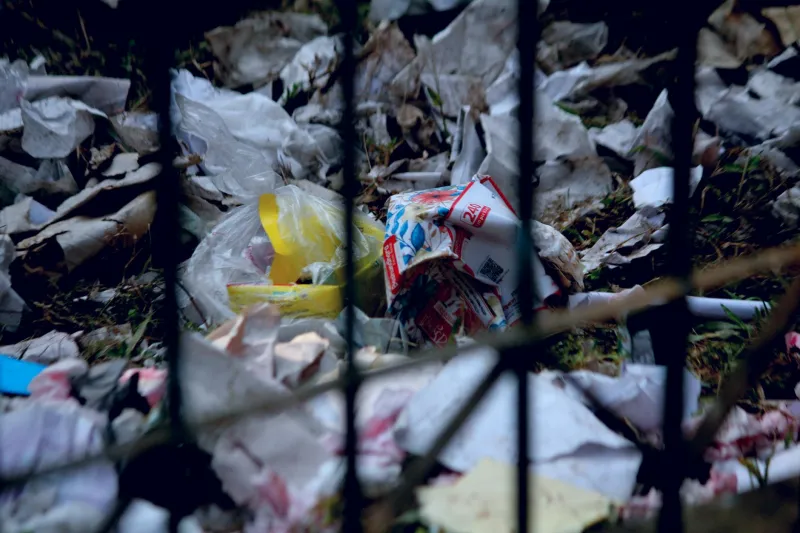
Across Britain's coastlines and countryside, holiday parks promise escape into nature's embrace. Marketing materials showcase pristine beaches, rolling hills, and families reconnecting with the natural world. Yet behind this carefully curated imagery lies a troubling reality: the very industry marketing itself on environmental beauty has become one of Britain's most prolific plastic polluters.
The Staycation Plastic Explosion
Britain's holiday park industry has experienced unprecedented growth, with domestic tourism generating £19.2 billion annually. Center Parcs, Haven, and Butlin's collectively accommodate over 15 million guests yearly, whilst thousands of independent caravan parks serve millions more. This boom has transformed rural communities economically, but at a devastating environmental cost rarely acknowledged in industry communications.
A typical week at a major holiday park generates approximately 2,000 disposable BBQ trays, 15,000 plastic cutlery sets, and countless single-use condiment sachets. Multiply this across Britain's 3,000 commercial holiday parks, and the annual plastic consumption becomes staggering. Yet industry sustainability reporting remains virtually non-existent, with most operators publishing no environmental data whatsoever.
Convenience Culture Meets Countryside
Haven's 36 UK parks epitomise this contradiction. Their marketing emphasises 'natural coastal locations' and 'countryside escapes', yet each site operates multiple takeaway outlets serving food exclusively in disposable packaging. Fish and chips arrive in polystyrene containers, ice creams in plastic tubs, and beverages in single-use cups—all consumed within supposedly pristine natural environments.
The company's Primrose Valley park in Yorkshire, marketed as a 'coastal haven', generates an estimated 50,000 disposable food containers weekly during peak season. This waste stream flows directly through a landscape marketed for its environmental appeal, creating profound cognitive dissonance between brand promise and operational reality.
 Photo: Primrose Valley, via fileybaycaravans.com
Infrastructure of Disposability
Beyond food service, holiday parks have constructed entire business models around disposable convenience. Caravan rental companies provide 'welcome packs' stuffed with single-use items: plastic-wrapped cleaning products, disposable BBQ equipment, and individually packaged toiletries. These amenities, marketed as luxury conveniences, transform every holiday into an exercise in waste generation.
Park Holidays UK, operating 40 sites across Britain, epitomises this approach. Their standard caravan amenity pack contains 47 single-use items, from plastic-wrapped dishcloths to individual butter portions. Guests paying premium rates for countryside experiences receive packages that would shame budget airlines for their environmental irresponsibility.
Coastal Contradictions
Coastal holiday parks present particularly acute contradictions. Properties like Hendra Holiday Park in Cornwall market themselves on pristine beach access whilst systematically contributing to marine pollution through single-use plastic consumption. Beach cleaning initiatives, prominently featured in marketing materials, become hollow gestures when the same businesses generate thousands of disposable items weekly.
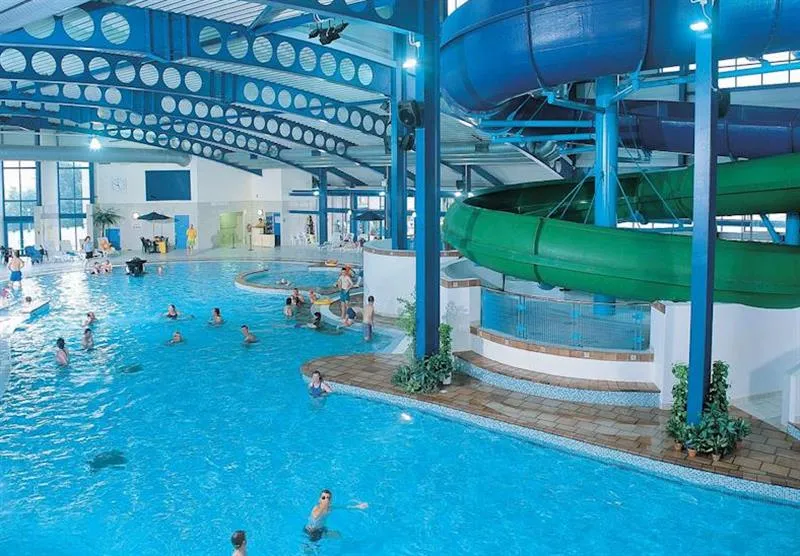 Photo: Hendra Holiday Park, via accommodationimages.images.holiday
The irony deepens when considering guest motivations. Surveys consistently show visitors choose British coastal holidays partly for environmental reasons—avoiding aviation emissions and supporting local ecosystems. Yet their accommodation choices undermine these environmental intentions through systematically unsustainable operational practices.
Independent Operators: Missed Opportunities
Smaller, family-owned parks could theoretically lead environmental innovation, yet most mirror larger operators' wasteful practices. Yorkshire's Robin Hood Caravan Park, typical of independent operations, provides disposable BBQ sets and plastic cutlery whilst marketing itself as 'environmentally conscious'. Such contradictions reflect industry-wide failure to connect environmental marketing with operational reality.
 Photo: Robin Hood Caravan Park, via www.crowsnestholidays.com
The absence of environmental leadership among independents represents missed opportunities for competitive differentiation. Eco-conscious consumers would likely pay premiums for genuinely sustainable holiday experiences, yet virtually no operators provide such alternatives.
Regulatory Vacuum
Britain's holiday park industry operates within a regulatory vacuum regarding environmental impact. Local planning authorities focus on development consent rather than operational sustainability, whilst environmental agencies lack jurisdiction over routine business practices. This regulatory gap enables systematic environmental harm without accountability or oversight.
The industry's trade bodies—the British Holiday & Home Parks Association and National Caravan Council—publish no environmental standards or guidelines. Their silence on sustainability issues contrasts sharply with other tourism sectors increasingly embracing environmental responsibility.
The Path to Genuine Sustainability
Transforming Britain's holiday park industry requires fundamental operational changes rather than superficial greenwashing. This means eliminating disposable catering entirely, providing reusable alternatives, and designing accommodation packages around durability rather than convenience.
Some European operators demonstrate viable alternatives. Dutch holiday park company Landal GreenParks eliminated single-use catering across their portfolio, instead providing comprehensive reusable kitchen equipment and partnering with local suppliers for package-free provisions. Guest satisfaction increased alongside environmental performance, proving sustainability enhances rather than compromises holiday experiences.
Consumer Responsibility and Industry Accountability
Ultimately, transforming this sector requires both industry leadership and consumer pressure. Holiday park operators must acknowledge their environmental responsibilities and implement systematic changes to reduce plastic consumption. Simultaneously, consumers must demand transparency about environmental impact and support operators demonstrating genuine commitment to sustainability.
Britain's holiday park industry stands at a crossroads. It can continue exploiting natural environments whilst contributing to their degradation, or embrace the environmental stewardship that genuine rural tourism demands. The choice will determine whether future generations inherit countryside worthy of protection or landscapes scarred by short-term commercial convenience disguised as environmental escape.