Juniper Jeopardy: The Hidden Environmental Cost of Britain's Gin Renaissance
From Botanical Beauty to Plastic Catastrophe
Britain's gin renaissance has captured imaginations and wallets alike, transforming a spirit once associated with Georgian-era social problems into a symbol of contemporary sophistication. Craft distilleries dot the landscape from the Scottish Highlands to Cornish coastlines, each promising unique botanical experiences and artisanal authenticity. Yet beneath this carefully curated narrative of heritage and craftsmanship lies an uncomfortable truth: the gin industry has become a masterclass in environmental contradiction.
 Photo: Scottish Highlands, via wallpapercave.com
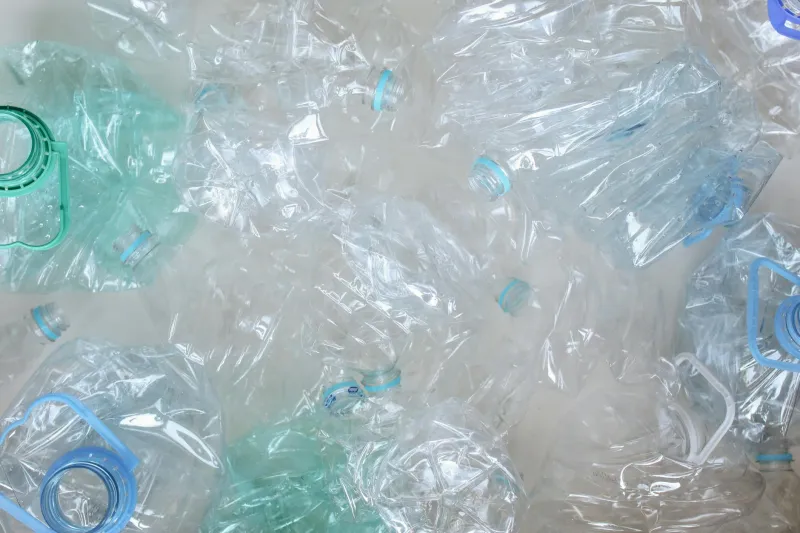
The numbers tell a sobering story. Britain now hosts over 400 gin distilleries, producing approximately 73 million bottles annually. Each bottle's journey from distillery to consumer generates an average of 180 grams of plastic waste—a figure that encompasses everything from production packaging to retail presentation. When multiplied across the industry's output, Britain's gin boom generates roughly 13,000 tonnes of plastic waste each year, equivalent to the weight of 65 blue whales.
Premium Pricing, Poverty-Level Environmental Standards
The gin industry's environmental failures become particularly galling when considered alongside its pricing strategies. Premium craft gins routinely command £40-60 per bottle, with super-premium expressions exceeding £100. These elevated price points ostensibly reflect superior ingredients, traditional production methods, and artisanal craftsmanship. Yet environmental responsibility—arguably the most crucial "premium" attribute for contemporary consumers—remains conspicuously absent from this value proposition.
Distilleries exploit sophisticated marketing narratives that emphasise natural ingredients whilst systematically ignoring packaging sustainability. Hendrick's gin, for instance, builds its brand around "peculiar" botanicals and Victorian-inspired imagery, yet ships products in standard glass bottles surrounded by polystyrene padding, plastic shrink-wrap, and synthetic cork alternatives. The disconnect between natural branding and artificial packaging practices exemplifies the industry's environmental cognitive dissonance.
Smaller craft distilleries prove equally problematic, often demonstrating worse environmental performance than established brands. The pursuit of distinctive packaging frequently leads to complex multi-material designs that prioritise shelf appeal over recyclability. Composite labels, metallic capsules bonded with synthetic adhesives, and decorative elements that render bottles unsuitable for standard recycling streams have become hallmarks of the craft gin aesthetic.
The Supply Chain's Synthetic Secrets
Behind every craft gin's botanical story lies a supply chain heavily dependent on plastic packaging and synthetic preservation methods. Juniper berries arrive vacuum-sealed in plastic pouches, whilst exotic botanicals travel in multi-layered synthetic wrapping designed to prevent contamination and moisture damage. These packaging requirements, whilst arguably necessary for quality control, reveal the fundamental tension between artisanal marketing and industrial reality.
Distribution networks compound these environmental challenges. Craft gin's premium positioning demands protective packaging that prevents damage during transportation. The result is an elaborate system of bubble wrap, polystyrene inserts, and plastic-lined cardboard that transforms each bottle into a environmental liability. Major retailers' handling requirements further escalate packaging demands, as shelf-ready presentation takes precedence over environmental considerations.
The industry's seasonal and limited-edition culture amplifies waste generation exponentially. Christmas gin releases, summer botanical specials, and anniversary editions create artificial scarcity that drives consumer collecting behaviour. Each limited release demands unique packaging components, often incorporating non-recyclable elements that enhance perceived exclusivity whilst guaranteeing environmental harm.
Marketing Mythology Versus Environmental Reality
Gin marketing has become increasingly sophisticated in exploiting environmental imagery whilst avoiding environmental accountability. Distillery websites overflow with photographs of wild botanicals, pristine water sources, and traditional copper stills, creating powerful associations with natural purity and ecological harmony. These carefully constructed narratives systematically obscure the plastic-intensive reality of modern gin production and distribution.
The "local" credentials frequently claimed by craft distilleries prove equally misleading upon environmental examination. Whilst distillation may occur locally, ingredient sourcing, packaging production, and distribution networks often span continents. A "Yorkshire gin" featuring Himalayan juniper, Mediterranean citrus, and African botanicals, packaged in Czech glass with Chinese synthetic corks, bears little resemblance to the local authenticity suggested by its marketing.
Social media amplifies these environmental contradictions, as Instagram-worthy botanical displays and artisanal production imagery create powerful emotional connections whilst carefully avoiding less photogenic packaging realities. The platform's visual nature enables distilleries to construct environmental narratives through selective imagery rather than comprehensive transparency.
Sustainable Alternatives: Proof That Change Is Possible
Despite industry-wide environmental failures, innovative distilleries demonstrate that sustainable gin production remains entirely achievable. Silent Pool Distillery has pioneered refillable bottle programmes, whilst Sipsmith has eliminated plastic packaging from its core range. These examples prove that environmental responsibility need not compromise product quality or commercial viability.
 Photo: Silent Pool Distillery, via silentpooldistillers.com
European competitors increasingly embrace comprehensive sustainability strategies that shame British complacency. German distilleries utilise returnable glass systems, whilst Scandinavian producers have eliminated synthetic packaging components entirely. These international examples highlight Britain's gin industry's environmental provincialism and commercial short-sightedness.
Demanding Accountability from Britain's Gin Giants
The gin industry's environmental transformation requires coordinated action across production, distribution, and retail. Distilleries must abandon synthetic packaging components, embrace refillable bottle systems, and implement transparent environmental reporting. Retailers should prioritise environmentally responsible brands whilst educating consumers about packaging sustainability.
Consumer pressure remains crucial for driving industry-wide change. Gin enthusiasts must demand environmental transparency from their preferred brands whilst supporting distilleries that demonstrate genuine sustainability commitment. The industry's premium pricing provides ample margin for environmental investment—the question remains whether distilleries will prioritise long-term sustainability over short-term profit maximisation.
Britain's gin renaissance has delivered remarkable innovation in flavour, technique, and marketing sophistication. The time has come to apply this same innovative spirit to environmental responsibility, ensuring that botanical beauty extends beyond marketing imagery to encompass genuine ecological stewardship.