Baden-Powell's Broken Promise: Youth Movements Abandon Environmental Principles for Plastic Convenience

The Founding Contradiction
Lord Baden-Powell established the Scout movement with a fundamental principle: "Leave no trace." Yet today's Scout Association operates as one of Britain's most environmentally destructive youth organisations, generating an estimated 2,400 tonnes of single-use plastic annually across its 640,000 members. The organisation that awards environmental badges whilst drowning children in disposable convenience represents a profound betrayal of its founding ethos.
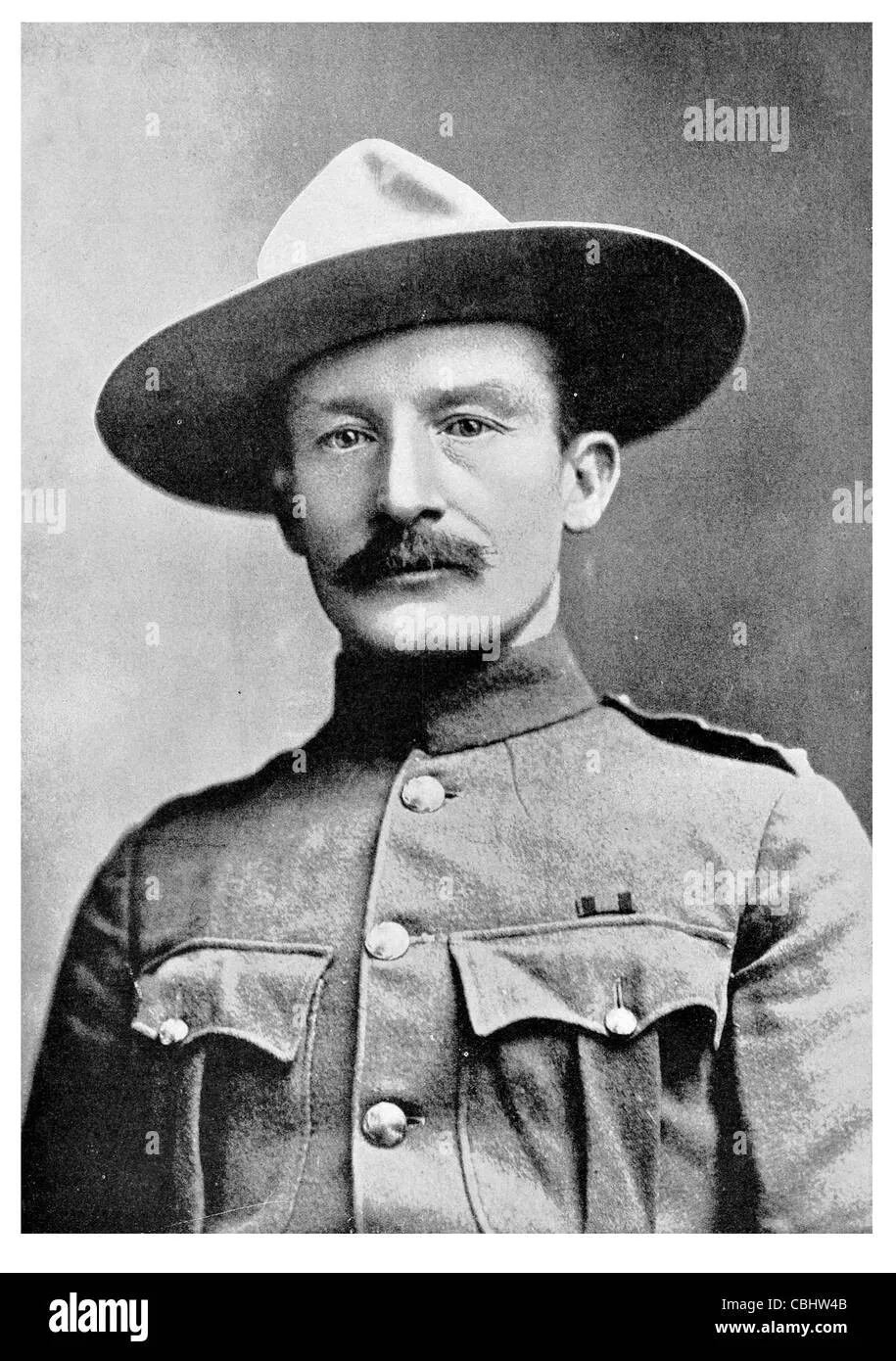 Photo: Lord Baden-Powell, via c8.alamy.com
Girl Guiding UK, serving 430,000 young people, exhibits equally troubling environmental contradictions. Internal procurement documents reveal the organisation purchases over 850,000 plastic water bottles annually for camps and events, despite environmental sustainability featuring prominently in its educational programmes. This systematic undermining of stated values creates a generation of young environmentalists trained in ecological hypocrisy.
Camp Culture of Consumption
Britain's youth movement camps operate as environmental disaster zones disguised as educational experiences. A typical Scout camp for 200 participants generates approximately 340kg of plastic waste over a single weekend, primarily through packaged meals, disposable crockery, and single-use hygiene products mandated by health and safety policies written in partnership with commercial suppliers.
Gilwell Park, the Scout movement's flagship training centre, serves over 45,000 visitors annually using exclusively disposable tableware despite possessing industrial washing facilities. Centre management justifies this policy citing "efficiency requirements," yet internal emails obtained through Freedom of Information requests reveal concerns about commercial catering contracts that incentivise disposable product usage.
 Photo: Gilwell Park, via www.scoutadventures.com.au
Similar patterns emerge across Britain's 2,800 Scout campsites and activity centres. The Camping and Caravanning Club, which manages many Scout-affiliated sites, reports that youth organisation bookings generate 60% more plastic waste per participant than family camping groups, primarily due to pre-packaged meal requirements and disposable activity materials.
Fundraising Plastic Proliferation
Britain's youth movements have transformed fundraising into plastic distribution networks that contradict their environmental messaging. The Scout Association's annual fundraising generates over £23 million through activities that systematically promote single-use plastic consumption. Badge-earning challenges routinely require purchasing plastic-packaged products, whilst jamboree preparations involve selling plastic merchandise to fund environmental education programmes.
Girl Guide cookie sales exemplify this environmental contradiction. The organisation's partnership with commercial bakers results in 4.2 million individually plastic-wrapped biscuits sold annually to fund environmental awareness projects. Regional coordinators privately acknowledge the "uncomfortable irony" but cite financial pressures that make sustainable packaging economically unviable for fundraising activities.
The Air Training Corps, serving 42,000 young people, operates similar contradictions through its fundraising model. Squadron activities designed to teach environmental responsibility are funded through selling plastic-heavy merchandise and organising events that generate substantial single-use waste. Wing Commander Sarah Mitchell of 1234 Squadron admits: "We're teaching young people to care about the environment whilst funding that education through environmental destruction."
Educational Hypocrisy in Action
Britain's youth movements award environmental badges through programmes that actively undermine environmental principles. The Scout Association's Environmental Conservation Activity Badge requires participants to "understand the impact of waste on the environment" whilst completing the assessment using plastic clipboards, laminated worksheets, and disposable pens provided by regional headquarters.
Similarly, the Duke of Edinburgh's Award scheme promotes environmental awareness through expeditions that generate extraordinary plastic waste. Participants receive mandatory equipment lists specifying single-use items including plastic ponchos, disposable hand warmers, and individually wrapped energy bars. Award coordinators defend these requirements as "essential for participant safety," despite sustainable alternatives being readily available.
This educational contradiction extends to youth movement partnerships with environmental organisations. The Wildlife Trust collaborates with Scout groups on conservation projects whilst providing plastic-wrapped educational materials and single-use equipment for outdoor activities. Trust education officers express private frustration about being "forced to compromise environmental principles to meet youth organisation safety requirements."
Commercial Capture of Childhood Values
Britain's youth movements have become vehicles for corporate environmental manipulation through commercial partnerships that prioritise profit over principles. The Scout Association's partnership with outdoor equipment retailers requires promoting specific brands regardless of environmental credentials, whilst Girl Guiding UK's commercial relationships incentivise plastic-heavy product sales through commission structures.
These partnerships extend to catering contracts that deliberately exclude sustainable options. Aramark, which provides catering services to major Scout centres, operates under contracts specifying disposable tableware usage despite the organisation's environmental policies suggesting otherwise. Company representatives privately acknowledge that youth movement contracts are "less environmentally demanding" than corporate clients, allowing profitable disposal of less sustainable inventory.
International Embarrassment
Britain's youth movements lag dramatically behind international counterparts in environmental leadership. Swedish Scout associations eliminated single-use plastic from all activities by 2020, whilst German youth movements operate under mandatory zero-waste policies for camps and events. Danish Girl Guides require environmental impact assessments for all regional activities, creating accountability mechanisms absent from British organisations.
This international comparison becomes particularly embarrassing during global youth events. British delegations to World Scout Jamborees consistently generate more plastic waste per participant than any other European delegation, according to event waste management reports. International Scout leaders privately describe British environmental standards as "disappointingly primitive" compared to Nordic and Central European practices.
 Photo: World Scout Jamborees, via www.onallbands.com
Systemic Reform Requirements
Britain's youth movements require immediate systemic reform to align actions with stated environmental values. The Scout Association must eliminate single-use plastic from all camps and activities by 2025, replacing disposable convenience with reusable alternatives that teach genuine environmental responsibility. This transformation requires abandoning commercial partnerships that prioritise profit over planetary health.
Girl Guiding UK must redesign its fundraising model to exclude environmentally destructive activities whilst developing sustainable revenue streams that reinforce rather than contradict educational messaging. The organisation's environmental badge programmes require complete reconstruction to ensure learning occurs through environmental protection rather than destruction.
Leadership Accountability
Youth movement leadership bears direct responsibility for this environmental betrayal. Scout Association Chief Executive Matt Hyde and Girl Guides UK Chief Executive Angela Salt must personally commit to plastic elimination targets with public accountability measures and transparent progress reporting. These leaders oversee organisations that shape environmental values for nearly one million young Britons - a responsibility that demands uncompromising environmental leadership.
Regional commissioners and county organisers require environmental performance targets integrated into their role assessments, ensuring that environmental rhetoric translates into measurable action. Youth movement governance structures must prioritise environmental integrity over commercial convenience, recognising that authentic environmental education requires authentic environmental practice.
Generational Responsibility
Britain's youth movements hold unique influence over the environmental values of future generations. The children attending Scout camps and Guide meetings today will lead Britain's environmental response for the next sixty years. Teaching these young people that environmental protection is secondary to convenience creates a generation programmed for environmental failure.
The organisations founded on respect for nature must reclaim that founding principle through radical environmental reform. Britain's youth movements can become laboratories for environmental innovation rather than training grounds for ecological hypocrisy - but only through acknowledging their current environmental failures and committing to comprehensive transformation.
Lord Baden-Powell's vision of leaving no trace remains achievable, but requires youth movement leaders to choose environmental integrity over plastic convenience. The children in their care deserve movements that model the environmental values they claim to teach.