Craft Deception: How Britain's Artisan Soft Drink Makers Are Drowning Consumers in Single-Use Plastic
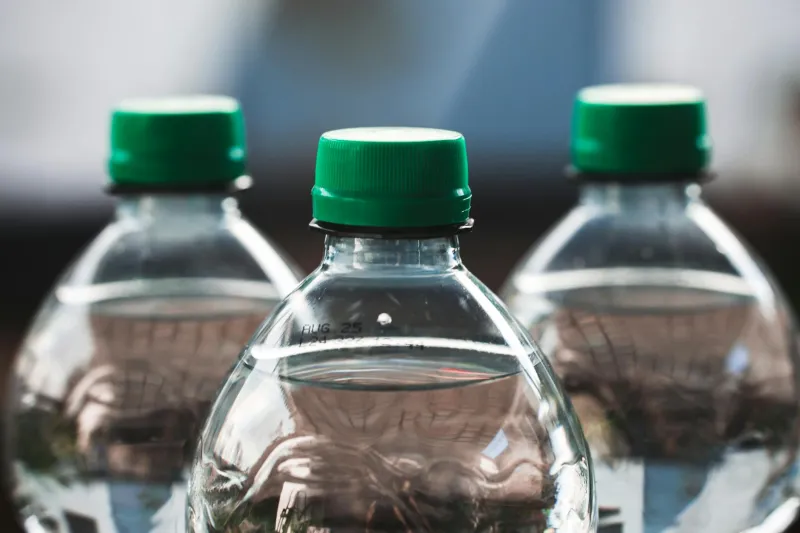
The Artisan Illusion
Wander through any British supermarket's premium beverage aisle, and you'll encounter a carefully curated narrative of authenticity. Craft soft drink brands line the shelves with their vintage typography, sepia-toned photography, and tales of traditional brewing methods passed down through generations. These products command premium prices—often triple that of mainstream alternatives—whilst promising consumers a more ethical, sustainable choice.
Yet strip away the nostalgic marketing veneer, and Britain's craft soft drink industry reveals itself as perhaps the most hypocritical sector in the sustainable packaging debate. Despite positioning themselves as the antithesis of corporate behemoths like Coca-Cola and PepsiCo, these supposedly conscious brands are systematically choosing single-use plastic packaging over genuinely sustainable alternatives.
Premium Pricing, Plastic Packaging
The contradiction becomes stark when examining specific products. Fever-Tree, Britain's tonic water darling that transformed from startup to £1.5 billion company, continues packaging premium mixers in single-use plastic bottles despite charging prices that would easily accommodate glass alternatives. Their "naturally sourced" ingredients arrive wrapped in petroleum-based packaging that will persist in landfills for centuries.
Similarly, Fentimans—a brand that trades heavily on its 1905 heritage and "botanical brewing" credentials—packages curiosity cola and traditional lemonade in plastic bottles adorned with vintage-style labels. The company's marketing emphasises "time-honoured methods" and "natural ingredients," yet their environmental impact mirrors that of the mass-market producers they position themselves against.
Bigger Picture Drinks, creators of the trendy Dalston's range, exemplifies this industry-wide contradiction. Despite targeting environmentally conscious millennials with flavours like "Real Squeezed Rhubarb" and "Fizzy Elderflower," their products arrive exclusively in single-use plastic bottles with shrink-wrapped multipacks that generate multiple waste streams from a single purchase.
The Glass Alternative: Available but Avoided
The most damning aspect of craft soft drinks' environmental failure lies in the ready availability of sustainable alternatives. Glass bottling infrastructure exists across Britain, with companies like Beatson Clark operating modern facilities capable of producing premium glass containers at competitive prices.
 Photo: Beatson Clark, via d2x9p2ddhb0aco.cloudfront.net
Whole Earth, the organic food pioneer, demonstrates that sustainable packaging remains commercially viable for premium soft drinks. Their organic cola and lemonade ranges utilise glass bottles that enhance product quality whilst eliminating plastic waste. Yet Whole Earth represents an exception within an industry increasingly dominated by plastic convenience.
The economic arguments against glass packaging prove largely spurious when examined closely. Whilst glass bottles carry higher upfront costs, they align with the premium pricing strategies that craft brands already employ. Consumers purchasing £3.50 bottles of artisan ginger beer have demonstrated willingness to pay premium prices—the additional cost of glass packaging would represent a marginal increase that environmentally conscious consumers would likely embrace.
Composite Packaging: The Worst of Both Worlds
Beyond single-use plastic bottles, craft soft drink manufacturers have increasingly adopted composite packaging that combines multiple materials into non-recyclable containers. These Tetra Pak-style cartons, lined with plastic and aluminium layers, present themselves as environmentally friendly alternatives whilst proving virtually impossible to recycle effectively in Britain's waste processing system.
Innocent Drinks, despite building their brand on environmental and social responsibility, packages their fizzy drinks range in composite cartons that local councils struggle to process. The company's sustainability reports highlight carbon reduction and ethical sourcing whilst remaining conspicuously silent on packaging recyclability.
Press London, another premium brand targeting health-conscious consumers, utilises similar composite packaging for their "cold-pressed" soft drinks. Despite charging £4-5 per bottle and marketing extensively to environmentally aware demographics, the company has avoided transitioning to genuinely recyclable alternatives.
Marketing Misdirection and Consumer Manipulation
Craft soft drink brands have perfected the art of environmental misdirection, emphasising organic ingredients and traditional production methods whilst downplaying packaging impact. This selective transparency allows companies to maintain premium pricing and ethical positioning whilst avoiding meaningful environmental responsibility.
Fever-Tree's annual reports extensively detail their ingredient sourcing and carbon reduction initiatives, yet packaging waste receives minimal attention. The company highlights partnerships with Fairtrade suppliers and sustainable agriculture projects whilst their products continue generating millions of plastic bottles annually.
Similarly, Fentimans promotes their "botanically brewed" credentials and traditional fermentation processes whilst remaining silent on packaging choices. Their website features extensive content about ingredient provenance and brewing heritage, creating a halo effect that obscures their environmental impact.
Regulatory Gaps and Industry Capture
The craft soft drinks sector has successfully avoided the scrutiny facing other beverage categories, partly through scale arguments that prove increasingly hollow as the industry matures. Companies like Fever-Tree, now valued in billions and available globally, can hardly claim startup exemptions from environmental responsibility.
Britain's plastic packaging regulations contain loopholes that allow smaller producers to avoid extended producer responsibility schemes and deposit return systems. These exemptions, originally designed to support genuine small businesses, now shelter substantial companies that exploit regulatory gaps whilst maintaining premium market positions.
The British Soft Drinks Association, representing both mainstream and craft producers, has failed to establish meaningful sustainability standards for smaller members. Their guidelines focus primarily on sugar reduction and calorie content whilst packaging sustainability remains voluntary and poorly monitored.
The Greenwashing Premium
Consumer research reveals the extent to which craft soft drink brands exploit environmental concerns for commercial advantage. Studies consistently show that consumers associate premium pricing with environmental responsibility, creating perverse incentives for companies to maintain high prices whilst avoiding actual sustainability investments.
This "greenwashing premium" allows craft brands to capture environmentally conscious consumers without delivering genuine environmental benefits. Products positioned as ethical alternatives command price premiums whilst generating equivalent or greater environmental impact than mainstream alternatives.
The phenomenon reflects broader trends in premium consumer goods, where marketing sophistication substitutes for genuine sustainability. Craft soft drink brands have mastered the aesthetic and narrative elements of environmental responsibility whilst systematically avoiding its practical requirements.
Consumer Responsibility and Market Dynamics
Britain's environmentally conscious consumers bear partial responsibility for enabling this industry-wide deception. Despite growing awareness of plastic pollution, purchasing decisions continue prioritising brand image and taste preferences over packaging sustainability.
This consumer behaviour creates market dynamics that reward environmental marketing over environmental action. Craft brands investing in sustainable packaging struggle to communicate their efforts effectively, whilst companies focusing on marketing aesthetics capture market share despite inferior environmental performance.
The Reckoning Approaches
Britain's craft soft drink industry faces an approaching reckoning as environmental regulations tighten and consumer awareness grows. The government's plastic packaging tax, whilst modest, signals increasing regulatory pressure that will likely intensify over coming years.
Moreover, younger consumers increasingly scrutinise brand claims and demand transparency around environmental impact. Social media campaigns highlighting packaging contradictions pose reputational risks that could undermine carefully constructed brand identities.
The industry's response will determine whether craft soft drinks can maintain their premium positioning whilst addressing environmental concerns, or whether their current contradictions will ultimately undermine consumer trust and market viability.
Beyond the Vintage Label
Britain's craft soft drink revolution promised consumers authenticity, quality, and ethical consumption. Yet the industry's systematic embrace of plastic packaging reveals these promises as hollow marketing constructs designed to capture premium pricing without delivering genuine sustainability.
Until craft soft drink manufacturers abandon their packaging contradictions and embrace genuinely sustainable alternatives, their claims to environmental responsibility will remain exactly what their packaging represents: disposable promises designed for temporary consumption rather than lasting environmental benefit.