Bubble Trouble: The Plastic Tsunami Hidden Behind Britain's £400 Million Boba Obsession
The Silent Invasion of Britain's High Streets
Walk through any British city centre today and you'll witness the remarkable transformation brought by bubble tea. From Manchester's Northern Quarter to Brighton's seafront, these colourful establishments have multiplied exponentially, bringing with them a distinctly modern form of environmental devastation that regulatory authorities have yet to acknowledge.
 Photo: Brighton's seafront, via i.pinimg.com
 Photo: Manchester's Northern Quarter, via dotenvironment.net
The numbers tell a sobering story. Conservative estimates suggest Britain's 2,800 bubble tea outlets serve approximately 15 million drinks monthly, each generating between three and seven individual pieces of plastic waste. Unlike traditional coffee shops, where paper alternatives have gained traction, bubble tea's unique requirements—thick straws for tapioca pearls and sealed lids for vigorous shaking—create dependencies on plastic components that resist easy substitution.
This rapid expansion has occurred with minimal environmental oversight, creating a regulatory blind spot that allows thousands of businesses to operate without sustainability frameworks or waste reporting requirements.
Engineering an Environmental Catastrophe
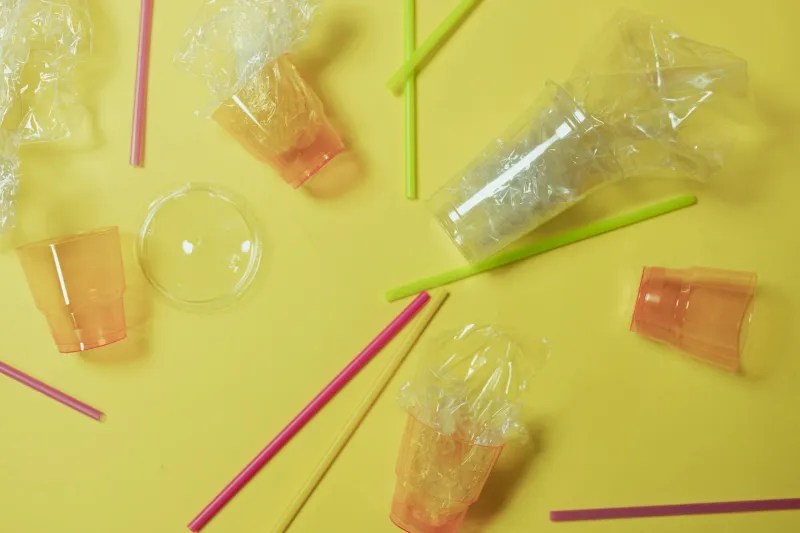
Bubble tea's environmental impact stems from its fundamental design requirements. The signature wide-bore straws, essential for consuming tapioca pearls, are manufactured from thick polypropylene that requires specialised recycling facilities unavailable in most British locations. Standard household recycling systems cannot process these oversized implements, ensuring direct routes to landfill or incineration.
The cups themselves present additional challenges. Bubble tea's visual appeal demands transparent or translucent containers, typically manufactured from polyethylene terephthalate (PET) or polystyrene. Whilst technically recyclable, contamination from sugary residues and the heat-sealing process used for lids renders many cups unsuitable for standard recycling streams.
Sealing technology compounds these issues. Heat-sealed plastic lids, essential for preventing spillage during the vigorous shaking that mixes ingredients, create composite materials combining multiple plastic types. This manufacturing approach prioritises convenience whilst eliminating recycling possibilities.
The Franchise Model's Environmental Blind Spot
Britain's bubble tea expansion has occurred primarily through franchise operations and independent businesses, creating fragmented ownership structures that resist environmental coordination. Major chains like Gong Cha and CoCo operate through franchise agreements that focus on brand consistency and profitability whilst providing minimal guidance on sustainability practices.
This decentralised model enables individual operators to prioritise cost reduction over environmental responsibility. Bulk purchasing of cheap plastic packaging from overseas suppliers becomes economically rational, whilst sustainable alternatives remain expensive and difficult to source.
Franchise training programmes typically emphasise drink preparation techniques and customer service whilst omitting environmental considerations entirely. New operators receive detailed guidance on syrup measurements and ice ratios but no education about waste reduction or sustainable packaging options.
Youth Demographics: The Unconscious Environmental Impact
Bubble tea's primary demographic—university students and young professionals aged 16-25—represents a generation with strong environmental awareness yet limited understanding of their consumption's cumulative impact. Market research indicates that 73% of regular bubble tea consumers consider themselves environmentally conscious, yet fewer than 12% recognise the drinks' plastic footprint.
This awareness gap reflects broader disconnections between environmental values and consumption patterns among younger demographics. The same individuals who champion climate action and plastic reduction enthusiastically queue for beverages that generate multiple pieces of non-recyclable waste.
Social media amplifies these contradictions by promoting bubble tea's visual appeal whilst obscuring environmental consequences. Instagram-friendly aesthetic presentations encourage consumption whilst packaging waste remains invisible in carefully curated imagery.
Municipal Waste Systems Under Pressure
Local authorities across Britain report increasing challenges managing bubble tea waste through existing collection systems. The drinks' popularity in university towns and metropolitan areas creates concentrated waste streams that overwhelm standard processing capacity.
Birmingham City Council data indicates that bubble tea packaging now comprises approximately 8% of city centre street litter, despite representing fewer than 3% of food and beverage purchases. The materials' resistance to degradation ensures persistent environmental impacts that extend far beyond initial consumption.
 Photo: Birmingham City Council, via c8.alamy.com
Street cleaning operations face particular difficulties with bubble tea waste. Partially consumed drinks create sticky residues that complicate mechanical collection, whilst scattered tapioca pearls present slip hazards and drainage blockage risks.
Industry Resistance to Sustainable Innovation
Despite growing environmental awareness, bubble tea operators demonstrate limited enthusiasm for sustainable packaging alternatives. Industry surveys reveal that cost considerations dominate purchasing decisions, with environmental factors ranking below price, availability, and brand consistency.
Several British suppliers have developed biodegradable straw alternatives suitable for bubble tea applications, yet uptake remains minimal due to price premiums and supply chain complexities. Operators frequently cite customer expectations and operational convenience as barriers to adoption.
The industry's resistance extends to waste reduction strategies. Reusable cup programmes, successful in coffee shop environments, face practical obstacles in bubble tea contexts due to sealing requirements and hygiene concerns around tapioca pearl preparation.
Regulatory Vacuum: Policy Failures and Missed Opportunities
Britain's environmental policy framework has failed to address bubble tea's unique challenges, creating regulatory gaps that enable continued expansion without sustainability constraints. Current plastic packaging regulations focus on traditional food service models whilst ignoring sector-specific requirements that resist standard solutions.
Local planning authorities lack guidance for assessing bubble tea outlets' environmental impacts during licensing processes. Applications receive approval based on traditional food service criteria whilst environmental considerations remain absent from decision-making frameworks.
The forthcoming Single-Use Plastics Directive offers potential intervention mechanisms, yet current drafts exclude bubble tea-specific packaging from regulated categories. This oversight enables continued expansion of problematic waste streams whilst other food service sectors face increasing restrictions.
Consumer Education: The Path Forward
Addressing bubble tea's environmental impact requires coordinated consumer education campaigns that connect purchasing decisions with environmental consequences. Young consumers demonstrate strong environmental values yet lack specific knowledge about bubble tea's plastic footprint.
University sustainability programmes offer natural intervention points, given bubble tea's popularity on campuses nationwide. Student unions and environmental societies could develop awareness campaigns highlighting local waste impacts whilst promoting sustainable alternatives.
Social media platforms present additional education opportunities through influencer partnerships and targeted content campaigns. Environmental messaging that maintains bubble tea's cultural appeal whilst promoting responsible consumption could drive behavioural change among key demographics.
Innovation Opportunities: British Solutions for Global Problems
Britain's bubble tea crisis presents opportunities for domestic innovation in sustainable packaging technologies. University research programmes and startup incubators could develop solutions addressing the sector's specific requirements whilst creating exportable technologies for global markets.
Edible straw technologies, biodegradable sealing systems, and reusable cup programmes represent potential innovation areas where British entrepreneurs could lead international development. Government innovation funding could support research into materials science solutions that maintain functionality whilst eliminating environmental impacts.
Conclusion: Urgent Action Before Permanent Entrenchment
Britain's bubble tea boom represents a critical moment for environmental policy intervention. Current growth trajectories suggest the sector will triple in size within five years, cementing unsustainable practices that will prove increasingly difficult to modify.
Regulatory frameworks must expand to address sector-specific challenges whilst consumer education campaigns highlight environmental consequences. Without coordinated action, bubble tea's cultural integration will occur alongside permanent environmental degradation that contradicts Britain's broader sustainability commitments.
The choice facing British society is stark: accept bubble tea's environmental costs as inevitable consequences of cultural diversity, or demand innovation and accountability that preserves cultural enjoyment whilst protecting environmental futures.