Last Orders for the Environment: Britain's Pub Industry Drowns Tradition in Plastic Dependency
The Plastic Cellar Beneath Britain's Heart
In the dimly lit cellars beneath Yorkshire's stone-built locals and Cornwall's thatched country pubs, a modern environmental scandal unfolds daily. These bastions of British tradition, which market themselves as authentic guardians of heritage and community values, operate supply chains that would horrify their environmentally conscious patrons. The romantic image of traditional British pub culture masks an industrial-scale plastic dependency that pervades every aspect of modern beer service.
The transformation of Britain's pub industry from environmental stewardship to plastic addiction represents one of the most profound betrayals of traditional values in contemporary hospitality. Establishments that once epitomised sustainable local commerce now function as distribution centres for disposable plastic equipment, synthetic cleaning products, and wasteful packaging systems.
The Brewery Distribution Deception
Major brewery distributors have systematically replaced traditional reusable systems with plastic-intensive alternatives that maximise profit whilst minimising environmental responsibility. Modern beer delivery operations rely heavily on shrink-wrapped pallets, disposable protective covers, and single-use securing systems that generate substantial waste with every delivery.
Greene King, Fuller's, and other major brewers defend these practices by citing efficiency and food safety requirements, yet independent breweries across Europe successfully operate sustainable distribution networks using reusable packaging systems. The British pub industry's resistance to environmental progress stems from entrenched commercial relationships rather than genuine operational constraints.
Cellar Equipment's Environmental Cost
The modern pub cellar operates as a plastic-intensive environment that contradicts every sustainability principle. CO2 delivery systems rely on disposable cartridges and synthetic sealing components, whilst cleaning protocols mandate single-use sanitising equipment and plastic protective materials. Line cleaning alone generates substantial plastic waste through disposable brushes, synthetic cleaning agents, and single-use protective equipment.
The Campaign for Real Ale (CAMRA) estimates that Britain's 48,000 licensed premises collectively generate over 15,000 tonnes of cellar-related plastic waste annually. This figure excludes customer-facing disposables, focusing exclusively on the hidden waste generated in beer storage and service operations.
The Keg Conspiracy
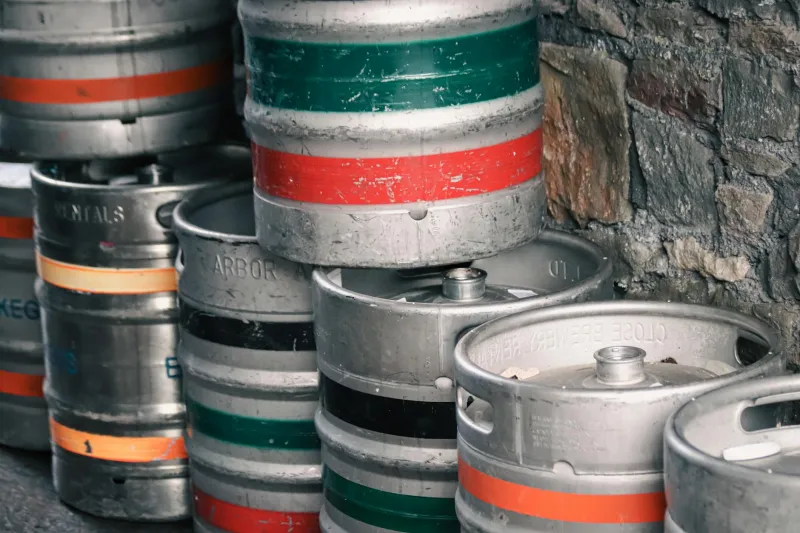
Modern kegging systems exemplify the pub industry's environmental hypocrisy. Whilst craft brewers promote artisanal values and authentic experiences, their distribution operations depend heavily on plastic components, synthetic sealing systems, and disposable connection equipment. Even establishments serving traditional cask ales utilise plastic-intensive ancillary equipment that generates substantial environmental impact.
The transition from traditional wooden casks to modern kegging systems eliminated natural, biodegradable materials in favour of synthetic alternatives that offer operational convenience at environmental cost. This transformation occurred without public consultation or environmental impact assessment, despite fundamentally altering the sustainability profile of British beer service.
Consumer Blindness and Industry Concealment
Pub patrons remain largely unaware of the environmental impact hidden beneath their local's traditional facade. The industry deliberately conceals plastic-intensive operations in basement areas and back-of-house spaces where customers never venture. This calculated concealment allows establishments to maintain authentic branding whilst operating environmentally destructive supply chains.
British pub culture's emphasis on tradition and heritage creates cognitive dissonance that the industry exploits to deflect environmental scrutiny. Customers who would challenge plastic usage in retail environments accept it implicitly in pub settings, assuming that traditional establishments operate sustainable practices.
Sustainable Alternatives and Progressive Examples
Several independent pubs across Britain demonstrate that environmental responsibility and operational efficiency can coexist. The Crown Inn in Roecliffe, North Yorkshire, has eliminated single-use plastic from its entire operation, utilising reusable cleaning equipment, bulk chemical purchasing, and comprehensive waste reduction protocols. Their approach proves that sustainable pub operations remain entirely feasible with appropriate commitment.
 Photo: The Crown Inn in Roecliffe, North Yorkshire, via www.crowninnroecliffe.com
Similarly, Sam Smith's brewery has maintained traditional distribution methods that minimise plastic usage whilst operating profitably across northern England. Their commitment to environmental stewardship demonstrates that authentic pub culture and sustainability naturally align when commercial priorities don't override environmental responsibility.
The Path to Redemption
Britain's pub industry must acknowledge its environmental betrayal and embrace genuine sustainability practices that match its traditional values. This transformation requires abandoning convenient plastic solutions in favour of reusable alternatives, implementing comprehensive waste tracking systems, and accepting responsibility for the environmental impact of every pint served.
Patrons must demand transparency from their local establishments, questioning plastic usage and waste disposal practices during casual conversations with landlords and bar staff. The pub industry's environmental future depends on consumer pressure that challenges comfortable assumptions about traditional establishments.
Britain's pubs can reclaim their role as community leaders by demonstrating environmental stewardship that matches their cultural significance. The choice between plastic convenience and environmental responsibility will determine whether these institutions deserve the loyalty and respect they've traditionally commanded.