Synthetic Style: Britain's Fashion Industry Wraps Environmental Destruction in Designer Labels
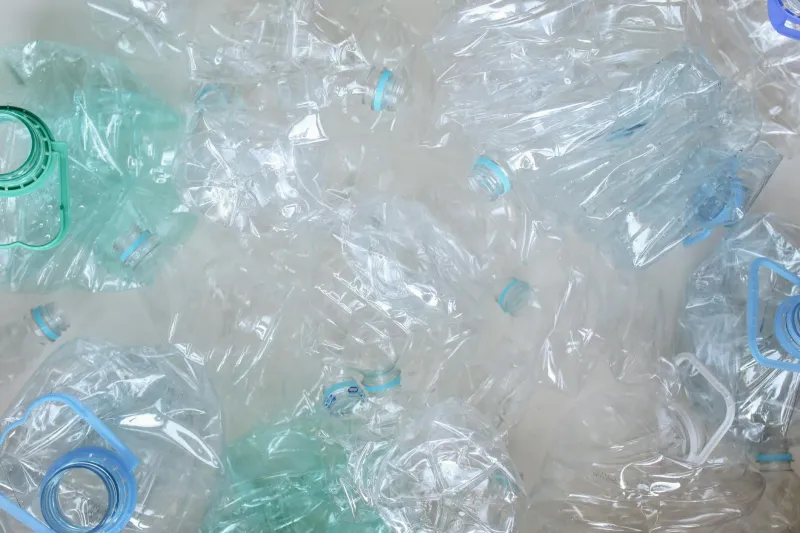
Synthetic Style: Britain's Fashion Industry Wraps Environmental Destruction in Designer Labels
Every minute, thousands of garments wrapped in plastic polybags arrive at British doorsteps and retail stores. The irony is inescapable: an industry built on image and aspiration has become one of the nation's most prolific producers of single-use plastic waste.
The Hidden Plastic Crisis
Britain's fashion retailers have cultivated an image of environmental responsibility through carefully crafted marketing campaigns and sustainability reports. Yet behind the glossy facades of Oxford Street and the slick interfaces of online shopping platforms, a different reality emerges. Industry data reveals that UK fashion companies generate approximately 180,000 tonnes of plastic packaging waste annually—enough to fill Wembley Stadium twice over.
The statistics paint a damning picture of corporate priorities. Whilst Marks & Spencer proudly announces its Plan A sustainability initiative, independent audits reveal that 78% of their garments still arrive wrapped in virgin plastic polybags. Similarly, Next's 'Made Kindly' programme sits uncomfortably alongside the company's continued reliance on synthetic packaging materials that take centuries to decompose.
Polybag Proliferation Across the High Street
The problem extends far beyond individual items. Major British retailers routinely package single socks, individual t-shirts, and even underwear in separate plastic bags—a practice that multiplies waste exponentially. H&M UK, despite global commitments to circular fashion, continues to ship garments in non-recyclable polybags to their 300+ British stores.
Boohoo Group, which includes brands like Nasty Gal and PrettyLittleThing, represents perhaps the most egregious example of this disconnect. The company's rapid-fire fashion model relies heavily on individual plastic packaging for each item, generating an estimated 40 million polybags annually across their UK operations alone. Their sustainability pages speak of "responsible fashion," yet their packaging practices tell a starkly different story.
The Online Shopping Multiplier Effect
The surge in online fashion shopping, accelerated by the pandemic, has amplified the plastic crisis exponentially. ASOS, Britain's largest online-only fashion retailer, ships over 100 million items annually to UK customers. Each order typically contains multiple plastic-wrapped items, often accompanied by additional plastic mailing bags and synthetic protective materials.
Very Group, operating Very.co.uk and Littlewoods, exemplifies the industry's failure to innovate. Despite processing millions of fashion orders yearly, the company has made minimal progress towards plastic-free packaging alternatives. Their sustainability commitments, buried deep within corporate reports, lack specific timelines and measurable targets.
Corporate Promises vs. Plastic Reality
The gap between corporate rhetoric and actual practice has reached absurd proportions. John Lewis Partnership, long considered a bastion of British retail ethics, continues to use plastic garment bags whilst simultaneously promoting their "Never Knowingly Undersold on Sustainability" messaging.
Tesco's F&F clothing range, available across 600+ UK stores, remains heavily dependent on plastic packaging despite the supermarket giant's broader plastic reduction initiatives. This internal inconsistency highlights how fashion divisions often operate independently of wider corporate environmental policies.
The Synthetic Materials Double Burden
The crisis extends beyond packaging to the garments themselves. Fast fashion's reliance on synthetic fabrics—polyester, nylon, and acrylic—means that plastic pollution begins at the product level and continues through packaging and disposal. Primark, with 190 UK stores, exemplifies this double burden: synthetic garments wrapped in synthetic packaging, creating a plastic waste cascade that persists for generations.
Regulatory Gaps and Industry Resistance
Britain's regulatory framework remains woefully inadequate for addressing fashion's plastic addiction. The government's plastic packaging tax, introduced in 2022, applies only to packaging containing less than 30% recycled content—a threshold easily circumvented by fashion retailers through minimal recycling compliance.
Industry lobbying groups consistently resist meaningful regulation, arguing that plastic packaging protects garment quality during transport. However, this argument crumbles when examining companies like Patagonia UK, which successfully eliminated plastic packaging without compromising product integrity.
Emerging Alternatives and Industry Leaders
A small but growing cohort of British fashion brands demonstrates that plastic-free packaging is entirely achievable. Thought Clothing, based in London, has completely eliminated plastic from their supply chain, using compostable garment bags made from cassava starch.
Similarly, People Tree, a pioneering ethical fashion brand, packages all garments in recyclable paper or compostable materials. These companies prove that the technical barriers claimed by major retailers are largely fictional.
The Path Forward: Legislation and Consumer Action
Britain requires immediate legislative intervention to address fashion's plastic crisis. Extended producer responsibility schemes must encompass packaging waste, forcing retailers to internalise the environmental costs of their choices.
Consumer pressure remains equally crucial. The success of campaigns against single-use carrier bags demonstrates that British shoppers can drive meaningful change when presented with clear information about environmental impacts.
Conclusion: Demanding Authentic Change
Britain's fashion industry stands at a crossroads. The current trajectory of plastic-wrapped fast fashion is environmentally unsustainable and morally indefensible. Major retailers can no longer hide behind sustainability marketing whilst perpetuating practices that fundamentally contradict their stated values.
The time for incremental change has passed. British consumers deserve fashion retailers that match their environmental rhetoric with genuine action—starting with the immediate elimination of unnecessary plastic packaging across the entire supply chain.