Till Death Do Us Part From Plastic: Britain's Wedding Industry's Environmental Hypocrisy
Love's Labour's Lost: The Environmental Cost of Saying 'I Do'
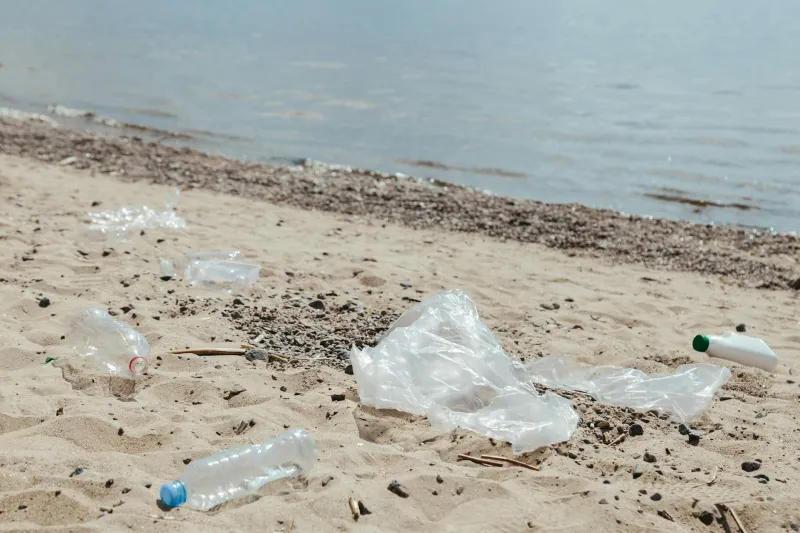
Every weekend across Britain, approximately 8,000 couples exchange vows in ceremonies that generate an average of 62 kilograms of plastic waste per celebration. The mathematics are stark: with over 400,000 weddings annually, Britain's matrimonial industry produces nearly 25,000 tonnes of single-use plastic waste each year—equivalent to the weight of two thousand double-decker buses.
Yet this environmental catastrophe unfolds beneath a veneer of romance and tradition, carefully orchestrated by an industry that has mastered the art of concealing its plastic dependency behind Instagram-worthy aesthetics and emotional manipulation.
The Plastic Pageantry: Deconstructing Wedding Day Waste
The contamination begins before guests arrive. Modern wedding venues routinely deploy armies of plastic: disposable chair covers, synthetic table runners, artificial flower arrangements that will grace landfills for centuries, and balloon installations that transform celebration into ecological vandalism.
Wedding planners interviewed by Plastic Promises revealed the shocking prevalence of single-use solutions marketed as "convenience" to stressed couples. "Venues push plastic because it's cheaper to replace than clean," explains Sarah Whitmore, a reformed wedding coordinator who now advocates for sustainable celebrations. "They've convinced couples that disposable equals hygienic, when really it equals profitable."
The catering sector represents perhaps the most egregious example of institutional waste. Despite charging premium prices, many venues default to plastic cutlery, polystyrene serving dishes, and synthetic tablecloths that require replacement after each event. The justification—efficiency and cost control—reveals an industry prioritising profit margins over planetary health.
Corporate Complicity: The Wedding Industry's Greenwashing Epidemic
Major wedding suppliers have responded to growing environmental consciousness not with genuine reform but with sophisticated greenwashing campaigns. Companies like Confetti Direct and Balloon Magic now market "biodegradable" products that decompose only under specific industrial conditions unavailable in British soil or marine environments.
Investigation into Britain's largest wedding venue chains reveals a pattern of environmental lip service. David Lloyd Leisure, Village Hotels, and Marriott properties tout sustainability credentials whilst continuing to offer packages heavily dependent on single-use plastics. Their corporate responsibility reports mention carbon reduction but remain conspicuously silent on plastic waste elimination.
The photography industry compounds this deception through "eco-friendly" props that photograph beautifully but consist entirely of synthetic materials. Wedding photographers routinely recommend plastic alternatives to traditional decorations, unaware or unconcerned about their environmental impact.
The Generational Betrayal: Young Couples Trapped in Plastic Traditions
Particularly troubling is the industry's exploitation of millennial and Generation Z couples—demographics demonstrating unprecedented environmental awareness in other life areas. Research by the Environmental Wedding Association found that 78% of couples under thirty express concern about their celebration's ecological impact, yet 89% proceed with conventionally wasteful ceremonies due to industry pressure and limited sustainable alternatives.
"We wanted an eco-friendly wedding but every vendor made it sound impossible or prohibitively expensive," reports Manchester bride Emma Thompson. "Looking back, we realise we were systematically steered towards plastic solutions presented as the only viable options."
This manipulation extends to wedding gift registries, where major retailers promote plastic homeware collections whilst burying sustainable alternatives in hard-to-navigate website sections. John Lewis, Marks & Spencer, and House of Fraser profit from couples' inexperience whilst failing to educate consumers about environmental consequences.
The Path Forward: Sustainable Celebrations as Standard Practice
Despite industry resistance, pioneering British companies demonstrate that beautiful, memorable weddings require no plastic sacrifice. Cornwall-based Green Weddings UK provides comprehensive sustainable services, from compostable confetti to locally-sourced wooden decorations, often at costs comparable to conventional alternatives.
Similarly, innovative venues like Pentillie Castle in Cornwall and Cripps Barn in Gloucestershire have eliminated single-use plastics whilst enhancing rather than compromising the wedding experience. Their success proves that environmental responsibility and romantic celebration are entirely compatible.
The emergence of circular economy wedding services offers additional hope. Companies like Something Borrowed Blooms rent artificial flowers crafted from recycled materials, whilst Vintage Crockery Hire provides elegant china alternatives to disposable tableware.
Regulatory Intervention: The Case for Wedding Industry Oversight
Britain's wedding industry operates in a regulatory vacuum that enables environmental destruction with impunity. Unlike other event sectors, matrimonial services face no plastic reduction targets, waste reporting requirements, or sustainability standards.
Environmental campaigners increasingly advocate for legislative intervention modelled on Scotland's successful plastic reduction initiatives. Proposed measures include mandatory waste audits for venues hosting more than fifty events annually, plastic-free certification schemes for wedding suppliers, and council powers to restrict single-use items in licensed premises.
The True Cost of Plastic Promises
The wedding industry's continued plastic dependence represents more than environmental negligence—it constitutes a fundamental betrayal of the values couples seek to celebrate. Marriage traditionally symbolises commitment to shared futures, yet the industry facilitates celebrations that systematically undermine the planetary health essential to those futures.
Britain's couples deserve better than an industry that profits from their love whilst poisoning their legacy. The time has come to demand that wedding businesses honour the commitment they facilitate by eliminating the plastic waste that mocks every promise of "forever."
Until the industry embraces genuine sustainability as standard practice rather than premium add-on, every British wedding remains complicit in an environmental betrayal that will outlast the marriages they celebrate.