Wellness Warriors or Environmental Villains: Britain's Fitness Empire Built on Plastic Foundations
The Contradiction at the Heart of Britain's Fitness Revolution
Walk into any PureGym, David Lloyd, or Virgin Active across Britain, and you'll witness a masterclass in cognitive dissonance. Inspirational posters proclaim transformation and vitality whilst the bins overflow with single-use protein sachets, plastic water bottles, and disposable workout gear packaging. The UK's fitness industry, worth £4.8 billion annually, has built its empire on promises of personal betterment whilst systematically undermining planetary health.
Premium Plastic: The Hidden Cost of Gym Culture
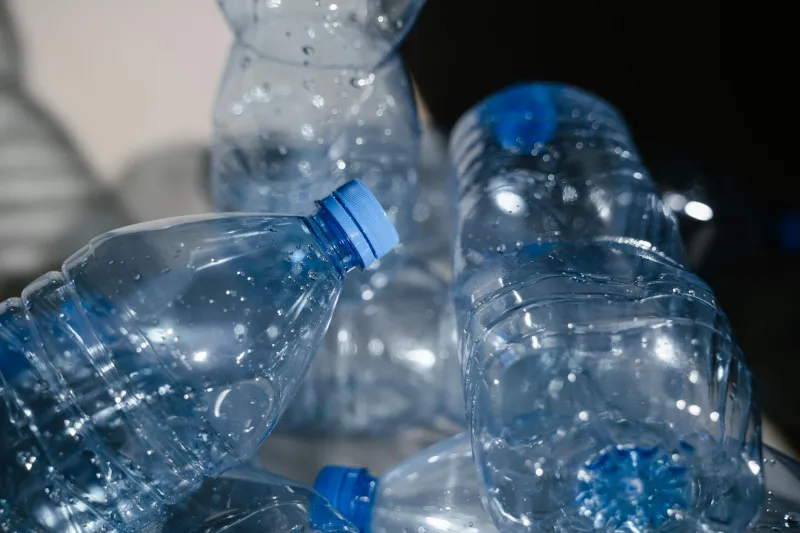
Britain's major gym chains have transformed hydration into a profit centre wrapped in environmental destruction. Virgin Active charges £2.50 for a single plastic bottle of water—a 2,500% markup on tap water—whilst simultaneously promoting sustainability initiatives on their corporate websites. The mathematics are staggering: with over 10 million gym memberships across the UK, even conservative estimates suggest the industry generates 200 million plastic bottles annually from on-site sales alone.
The protein supplement market presents an even more damaging picture. Leading brands like Optimum Nutrition and MyProtein package individual servings in non-recyclable sachets, creating mountains of metalised plastic waste that cannot be processed by standard recycling facilities. These sachets, often sold in multipacks of 30 or more, represent pure convenience marketing disguised as portion control.
Corporate Greenwashing in Lycra
David Lloyd Clubs proudly advertises its "commitment to sustainability" whilst selling Evian water at premium prices and stocking protein bars wrapped in multiple layers of plastic packaging. Their environmental policy mentions LED lighting and energy efficiency but remains conspicuously silent on single-use plastics. Similarly, The Gym Group's corporate responsibility reports focus heavily on community engagement whilst ignoring their role in normalising disposable consumption patterns among health-conscious consumers.
PureGym, Britain's largest budget chain with over 500 locations, operates vending machines stocked exclusively with plastic-packaged products. Their "Better Gym, Better World" campaign emphasises digital membership cards and paperless billing whilst the physical environment encourages maximum plastic consumption through strategic product placement and premium pricing of alternatives.
Equipment Excess: The Packaging Problem
Beyond consumables, Britain's fitness equipment market generates substantial plastic waste through excessive packaging protocols. Resistance bands arrive individually wrapped in plastic within plastic containers. Yoga mats are sealed in non-recyclable films. Even basic accessories like water bottles and protein shakers are packaged with plastic tags, instruction cards sealed in plastic sleeves, and protective wrapping that serves no functional purpose.
Decathlon, whilst positioning itself as an accessible sports retailer, exemplifies this packaging excess. Their own-brand fitness accessories arrive wrapped in multiple plastic layers, often weighing more in packaging than product. The company's sustainability commitments focus on product durability whilst ignoring the immediate environmental impact of their packaging choices.
The Premium Water Scandal
Perhaps nowhere is the industry's environmental hypocrisy more evident than in bottled water sales. Fitness First charges £3 for a single bottle of Fiji water—imported 10,000 miles to Britain—in facilities equipped with perfectly functional drinking fountains. This premium pricing creates artificial scarcity around basic hydration whilst generating profits from environmental destruction.
The marketing psychology is deliberate: associate expensive bottled water with premium fitness experiences, creating social pressure to purchase rather than use free alternatives. This strategy particularly targets younger demographics already struggling with gym membership costs, effectively forcing additional plastic consumption through peer pressure and convenience.
Pioneering Alternatives: The Sustainable Fitness Vanguard
Amidst this environmental carnage, a small network of British fitness businesses demonstrates sustainable alternatives are entirely achievable. 1Rebel, with locations across London, has eliminated single-use water bottles entirely, installing advanced filtration systems and providing reusable bottles to members. Their protein supplements are sourced from suppliers using compostable packaging, proving premium fitness experiences need not depend on environmental destruction.
Strength & Conditioning gyms in Manchester operate entirely plastic-free retail environments, stocking only refillable supplements and promoting reusable equipment. Their membership fees remain competitive with traditional chains whilst demonstrating environmental responsibility enhances rather than compromises the fitness experience.
Government Inaction and Industry Resistance
Despite mounting evidence of environmental damage, the fitness industry continues operating without meaningful regulation. The Department for Environment, Food and Rural Affairs has yet to address single-use packaging in recreational facilities, leaving gym chains free to maximise plastic profits without consequence.
UK Active, the fitness industry's trade body, produces annual reports celebrating membership growth whilst completely ignoring environmental impact metrics. Their policy priorities focus on business rates and planning permissions rather than sustainability obligations, reflecting an industry more concerned with profit margins than planetary boundaries.
The Path Forward: Binding Commitments Required
Britain's fitness industry cannot continue preaching personal transformation whilst systematically destroying environmental health. Government intervention must establish mandatory packaging reduction targets, eliminate single-use water bottle sales in facilities with drinking fountains, and require transparent environmental impact reporting from all fitness operators.
Consumers deserve honesty about the environmental cost of their wellness choices. Until Britain's fitness giants abandon their plastic-dependent business models, their promises of transformation remain fundamentally hollow—improving individual health whilst poisoning collective futures.