The Recycling Mirage: Why Britain's Plastic Waste System Is Built on False Promises
The Great British Recycling Delusion
Every week, millions of British households dutifully sort their plastic containers, feeling virtuous as they place yoghurt pots and milk bottles into blue bins. We've been conditioned to believe this simple act absolves us of environmental responsibility. Yet behind this ritual lies one of the most pervasive deceptions in modern environmental policy: the myth that recycling is solving Britain's plastic crisis.
Our investigation into the UK's plastic waste infrastructure reveals a system built on false promises, where the gap between what councils claim is recyclable and what actually gets processed into new products is nothing short of scandalous.
Following the Trail: Where Your Plastic Really Goes
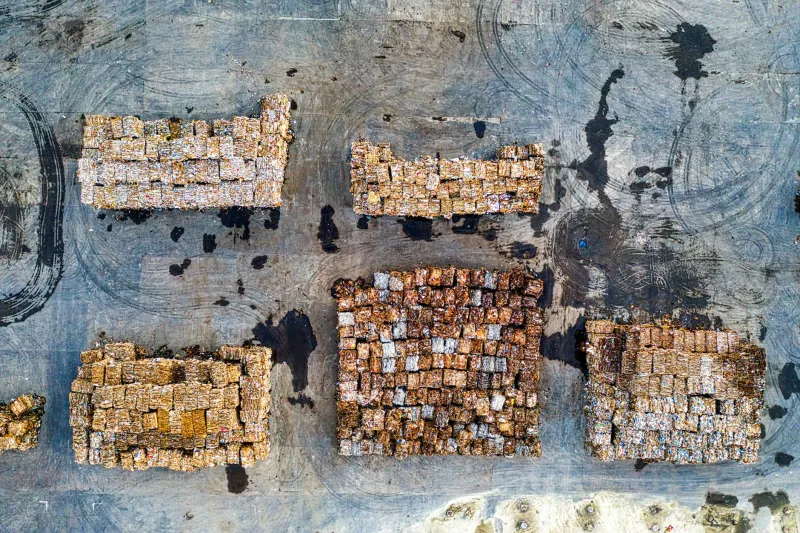
When that plastic bottle leaves your doorstep, it begins a journey that rarely ends where you imagine. At Materials Recovery Facilities (MRFs) across Britain, sophisticated machinery sorts through mountains of mixed recycling. However, contamination rates remain stubbornly high, with food residue, incorrect items, and degraded plastics rendering vast quantities unsuitable for reprocessing.
The stark reality is that only 44.2% of plastic packaging placed in household recycling bins actually gets recycled, according to WRAP data. The remainder faces three fates: incineration in energy-from-waste plants, burial in landfill, or export to developing nations under the guise of 'recycling'.
The Export Scandal: Britain's Plastic Colonialism
Perhaps most damaging to Britain's environmental credentials is our continued reliance on plastic waste exports. Despite the 2018 China ban that should have forced domestic solutions, the UK still ships hundreds of thousands of tonnes of plastic waste overseas annually. Malaysia, Turkey, and Poland have become dumping grounds for Britain's plastic guilt.
Recent investigations by environmental groups have uncovered British plastic waste in illegal dumps across Southeast Asia, where it's burned in open fires or abandoned in waterways. This isn't recycling—it's environmental colonialism dressed up as circular economy progress.
The Numbers Game: How Statistics Deceive
Government recycling statistics paint a rosier picture than reality warrants. Official figures often conflate 'recovery' with recycling, including energy recovery from incineration. When plastic is burned for energy, it's counted as 'recovered' despite producing no new plastic products and releasing carbon emissions.
True closed-loop recycling—where plastic waste becomes new plastic products of equivalent quality—represents less than 10% of Britain's plastic waste stream. The majority undergoes 'downcycling' into lower-grade applications like park benches or fleece jackets, which themselves become unrecyclable waste after one lifecycle.
Council Complicity: The Local Authority Lottery
Local authorities across Britain operate wildly different recycling systems, creating a postcode lottery that confuses residents and undermines effective waste management. Whilst Camden Council accepts yoghurt pots, neighbouring Westminster doesn't. This inconsistency isn't accidental—it reflects the economic reality that many plastics simply aren't profitable to recycle.
Councils continue accepting materials they know won't be recycled, maintaining the illusion of comprehensive plastic recovery whilst avoiding the political cost of honest communication with residents. This systemic dishonesty undermines public trust and delays necessary conversations about plastic reduction.
Corporate Sleight of Hand: The Producer Responsibility Mirage
Meanwhile, the corporations flooding Britain with plastic packaging have masterfully shifted responsibility onto consumers. Extended Producer Responsibility schemes, designed to make manufacturers accountable for their packaging's end-of-life costs, remain woefully inadequate.
Major brands continue designing packaging that's technically recyclable but practically unviable, knowing full well that complex multi-layer films and small plastic components will end up in general waste. They trumpet recycling symbols whilst engineering products destined for disposal.
The Infrastructure Reality Check
Britain's recycling infrastructure was never designed for today's plastic deluge. Most facilities were built for simpler waste streams dominated by paper, cardboard, and glass. The explosion in plastic packaging varieties—from flexible films to composite materials—has overwhelmed systems designed for straightforward separation.
Investment in advanced recycling technologies remains minimal compared to the scale of the challenge. Chemical recycling, often touted as a solution, operates at pilot scale whilst producing emissions and requiring enormous energy inputs that question its environmental benefits.
Beyond the Bin: Demanding Systemic Change
The uncomfortable truth is that recycling alone cannot solve Britain's plastic crisis. We need fundamental shifts away from single-use packaging towards reusable alternatives, mandatory producer responsibility that genuinely incentivises sustainable design, and honest communication about waste destinations.
Consumers deserve transparency about where their carefully sorted waste actually goes. Councils must end the pretence that all collected plastics get recycled. Corporations must face genuine consequences for designing unrecyclable packaging.
Conclusion: Breaking the Recycling Spell
The recycling symbol has become a modern indulgence—a permission slip to consume without consequence. Britain's plastic waste system perpetuates this comfortable lie whilst environmental damage accumulates. Real progress requires abandoning recycling mythology and confronting the need for dramatic plastic reduction.
Until we demand honesty about recycling's limitations and corporate accountability for plastic pollution, we'll remain trapped in a system that promises environmental responsibility whilst delivering environmental destruction. The time for comfortable myths has passed—Britain needs uncomfortable truths and transformative action.