The Great British Coffee Con: Why Our Daily Brew Is Brewing an Environmental Disaster
The Inconvenient Truth Behind Britain's Coffee Culture
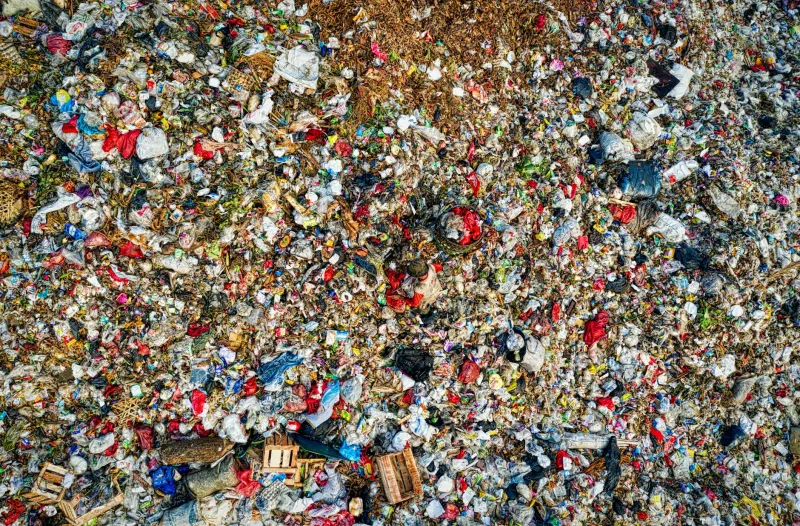
Every morning, millions of Britons queue for their daily caffeine fix, clutching disposable cups that will outlast the brief pleasure of their contents by centuries. The mathematics are staggering: 2.5 billion takeaway coffee cups consumed annually across the UK, with recycling facilities processing fewer than one in every 400. This isn't merely an oversight—it's a systematic failure enabled by an industry that profits from environmental amnesia.
The problem lies not just in volume, but in deliberate obfuscation. Those seemingly innocent paper cups harbour a dirty secret: a thin polyethylene lining that makes them virtually impossible to recycle through standard paper waste streams. Most consumers remain blissfully unaware that their 'recyclable' cup will spend the next 500 years decomposing in landfill, its plastic components eventually fragmenting into microplastics that infiltrate our food chain.
Corporate Greenwashing Masquerading as Progress
Major chains have mastered the art of environmental theatre. Costa Coffee's much-trumpeted '25p discount for reusable cups' scheme represents a masterclass in tokenism—a financial incentive so modest it barely registers against the convenience premium of disposable alternatives. Internal industry data suggests these discount programmes have reduced disposable cup consumption by less than 2%, yet they generate disproportionate positive publicity.
Starbucks' promise to eliminate disposable cups by 2030 rings particularly hollow when examined against their continued expansion of drive-through locations—formats inherently incompatible with reusable alternatives. Meanwhile, Pret A Manger's subscription model actively encourages increased consumption, with environmental impact assessments conspicuously absent from their marketing materials.
Independent Cafés: Part of the Problem or Potential Solution?
Britain's independent coffee scene, often positioned as the ethical alternative to corporate chains, demonstrates equally disappointing environmental credentials. Smaller operators frequently cite cost pressures and supply chain constraints as barriers to sustainable packaging adoption, yet investigation reveals these obstacles are often overstated.
Several pioneering establishments across the UK have successfully transitioned to genuinely sustainable alternatives. The Wired Coffee Company in Birmingham operates a mandatory reusable cup policy, whilst maintaining competitive pricing and customer satisfaction. Their model proves that environmental responsibility need not compromise profitability—it simply requires commitment beyond performative gestures.
The Regulatory Vacuum That Enables Environmental Vandalism
Britain's regulatory framework treats coffee cups with remarkable leniency compared to other single-use items. Whilst plastic straws face restrictions and carrier bags incur charges, disposable cups remain exempt from meaningful intervention. This selective approach reflects powerful industry lobbying rather than coherent environmental policy.
The Department for Environment, Food and Rural Affairs continues to rely on voluntary industry commitments—a strategy that has demonstrably failed. Scotland's proposed deposit return scheme for beverage containers initially excluded coffee cups, highlighting the political sensitivity surrounding this ubiquitous waste stream.
International Models Point Toward Solutions
Germany's highly successful deposit system for coffee cups demonstrates that systemic change is achievable. Customers pay a small deposit when purchasing beverages in participating cups, receiving full refunds upon return. This approach has achieved recycling rates exceeding 85% whilst maintaining consumer convenience.
France's recent legislation mandating reusable alternatives for on-premises consumption represents another promising model. British policymakers would benefit from studying these international precedents rather than perpetuating the current laissez-faire approach.
The Path Forward: Beyond Industry Self-Regulation
Meaningful progress requires abandoning faith in corporate voluntarism. A mandatory deposit-return system for takeaway cups, coupled with extended producer responsibility frameworks, would force genuine innovation rather than cosmetic improvements.
Consumers must also accept responsibility for their choices. The cultural normalisation of disposable consumption reflects broader societal priorities that prioritise convenience over consequence. Changing these patterns requires both regulatory intervention and collective behavioural shift.
Britain's coffee cup crisis exemplifies our broader failure to align consumption patterns with environmental reality. Until we abandon the comfortable fiction that marginal improvements constitute adequate progress, our daily brew will continue poisoning the very environment that sustains us.