The Festive Facade: Britain's Christmas Tree Trade Wraps Environmental Destruction in Holiday Tradition
The Seasonal Deception
Every December, Britain transforms into a winter wonderland adorned with millions of Christmas trees. Yet beneath this cherished tradition lies an uncomfortable truth: our festive season has become synonymous with environmental destruction on an industrial scale.
The Christmas tree industry, worth approximately £150 million annually in the UK, projects an image of natural wholesomeness whilst simultaneously generating unprecedented volumes of plastic waste. From the moment trees are harvested to their eventual disposal, the sector's operations contradict every principle of environmental stewardship.
Real Trees, Artificial Problems
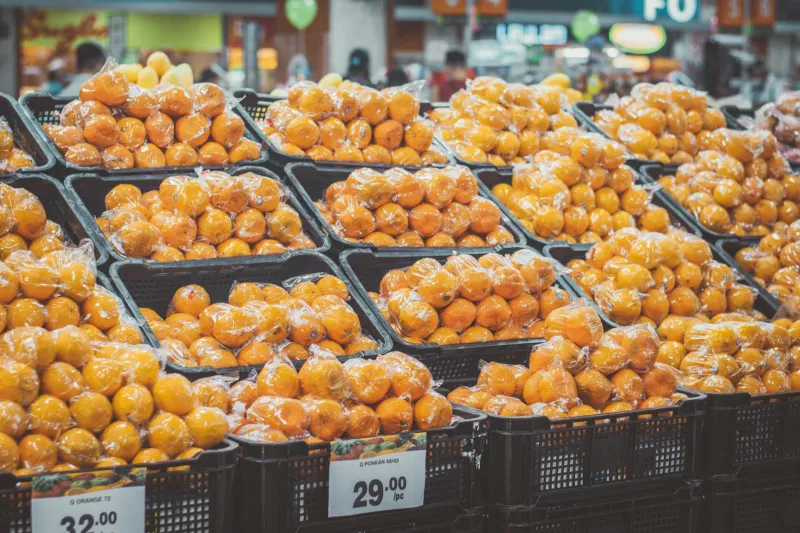
Contrary to popular belief, real Christmas trees present significant environmental challenges beyond their carbon footprint. Major suppliers across Scotland, Wales, and Northern England routinely wrap individual trees in plastic netting for transportation and retail display. This practice, deemed essential for maintaining tree shape and preventing needle loss, generates approximately 2.5 million metres of non-recyclable plastic waste annually.
Christmas tree farms operated by companies such as Nordmann and Fraser Fir specialists utilise plastic tree guards, irrigation systems, and fertiliser packaging throughout their growing cycles. A single commercial plantation can generate upwards of 50 tonnes of plastic waste per harvest season, much of which remains unaccounted for in official waste statistics.
The British Christmas Tree Growers Association has consistently failed to address these mounting concerns, instead focusing marketing efforts on promoting trees as 'natural' alternatives to artificial varieties whilst ignoring their industry's plastic dependency.
The Synthetic Substitute Scandal
Artificial Christmas trees, marketed as environmentally friendly long-term investments, harbour their own devastating secret. These petroleum-based products shed microplastics throughout their lifespan, contaminating indoor air quality and eventually entering waterways when disposed of.
Research conducted by the University of Plymouth reveals that a typical artificial tree releases approximately 25,000 microplastic particles annually during normal use. With an estimated 8 million artificial trees in British homes, this translates to 200 billion microplastic particles entering our environment each year from this source alone.
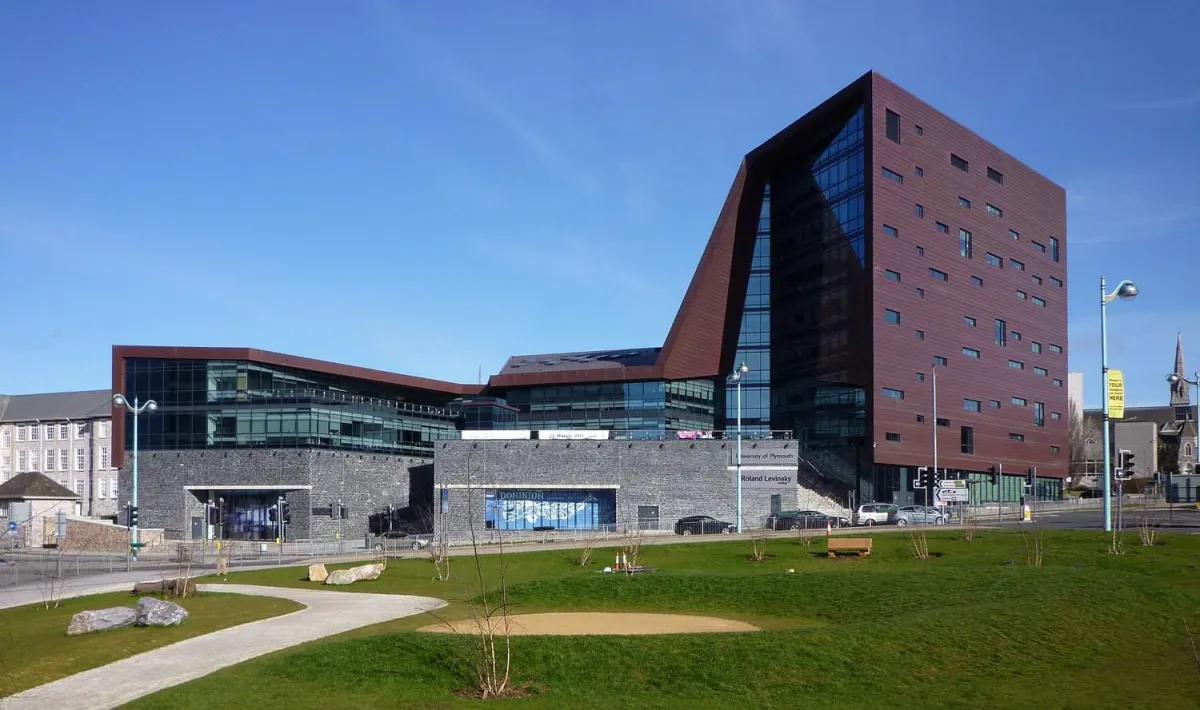 Photo: University of Plymouth, via www.scholarshipsads.com
Major retailers including B&Q, Homebase, and John Lewis continue promoting artificial trees as sustainable choices whilst providing no information about microplastic shedding or end-of-life disposal challenges. These products, manufactured predominantly in China using PVC and polyethylene, cannot be recycled through conventional waste streams.
Decoration Devastation
Beyond the trees themselves, the decorative accessories market represents an even more pernicious source of plastic pollution. Tinsel, traditionally manufactured from metallic strips, now consists entirely of metallised plastic film that sheds continuously throughout the festive period.
Britain imports approximately 15,000 kilometres of tinsel annually, equivalent to the distance from London to Sydney. This decorative material, impossible to recycle and designed for single-season use, contributes an estimated 450 tonnes of plastic waste to British landfills each December.
Christmas baubles, fairy lights, and tree toppers manufactured from injection-moulded plastics compound this environmental burden. The average British household purchases £23 worth of new Christmas decorations annually, with 78% containing non-recyclable plastic components.
Corporate Accountability Vacuum
The Christmas tree industry operates within a regulatory vacuum regarding plastic waste management. Unlike other seasonal industries, Christmas tree suppliers face no mandatory reporting requirements for packaging waste or environmental impact assessments.
Garden centres and DIY retailers have exploited this oversight, implementing increasingly plastic-intensive display and packaging systems without consequence. Dobbies Garden Centres, for instance, wraps individual potted trees in plastic sleeves whilst promoting them as 'living' alternatives that customers can replant after Christmas.
Wyevale Garden Centres has introduced plastic tree preservation sprays and synthetic snow applications, further embedding plastic materials within supposedly natural products. These practices demonstrate how corporate profit margins consistently override environmental considerations within the sector.
The Innovation Imperative
Several pioneering British companies are developing genuinely sustainable alternatives to conventional Christmas tree practices. Edinburgh-based TreeCycle has introduced biodegradable jute netting for tree transportation, whilst Cornwall Christmas Trees has eliminated plastic packaging entirely from their supply chain.
These initiatives remain outliers within an industry resistant to meaningful reform. The National Christmas Tree Association continues lobbying against plastic reduction mandates, arguing that consumer convenience justifies environmental damage.
Regulatory Reform Requirements
Britain requires immediate legislative intervention to address the Christmas tree industry's environmental impact. Proposed measures should include mandatory plastic packaging reduction targets, microplastic emission disclosure requirements for artificial trees, and extended producer responsibility schemes covering decorative accessories.
The Department for Environment, Food and Rural Affairs must establish specific guidelines for Christmas tree retailers, including plastic-free transportation methods and biodegradable decoration alternatives. Without regulatory pressure, the industry will continue prioritising profit over planetary health.
Consumer Consciousness
British consumers possess the power to transform this industry through informed purchasing decisions. Choosing locally sourced, plastic-free trees, opting for traditional decorations made from natural materials, and supporting retailers committed to environmental responsibility can drive meaningful change.
The festive season should celebrate life and renewal, not perpetuate environmental destruction disguised as tradition. Britain's Christmas tree industry must abandon its plastic dependency before another generation inherits the toxic legacy of our seasonal celebrations.