Empty Nets: Britain's Football Elite Fumble Their Environmental Responsibilities
The Beautiful Game's Ugly Truth
Every weekend, millions of football supporters across Britain witness what should be a celebration of sporting excellence. Instead, they're unwitting participants in an environmental catastrophe that Premier League clubs have systematically ignored whilst simultaneously promoting themselves as champions of sustainability.
The numbers are staggering. Manchester United's Old Trafford alone generates an estimated 2.3 tonnes of single-use plastic waste per home match. Multiply this across the Premier League's 20 clubs, factor in 38 home games per season, and the scale of environmental negligence becomes clear. Yet these same institutions spend millions on marketing campaigns proclaiming their commitment to a sustainable future.
Concession Stand Contradictions
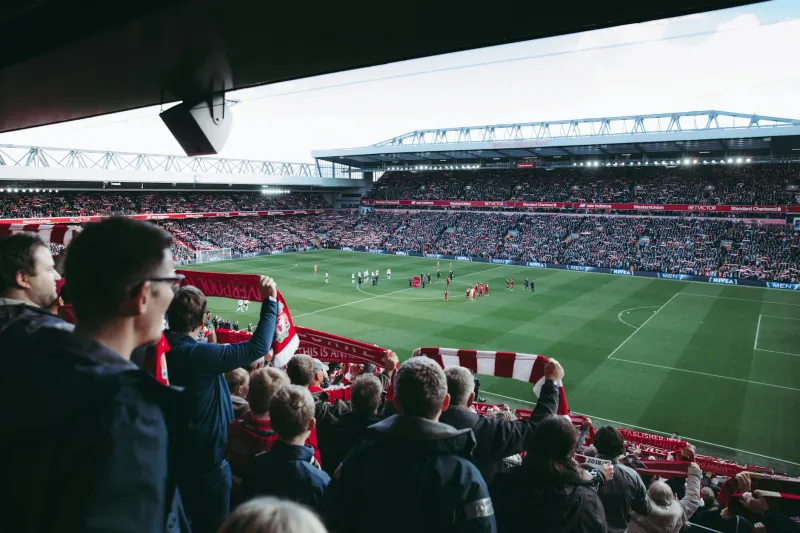
Walk through any Premier League stadium on matchday, and the disconnect between promise and practice becomes immediately apparent. Liverpool FC, despite their vocal support for environmental causes, continues serving beverages in single-use plastic cups throughout Anfield. Their recent partnership with a major drinks manufacturer actually increased plastic usage by 15% compared to the previous season's arrangements.
Arsenal's Emirates Stadium presents perhaps the most egregious example of corporate double standards. The club's official website proudly displays their "Arsenal for Everyone" sustainability charter, yet their catering operations distribute over 45,000 plastic items per home match. This includes everything from disposable cutlery to sauce sachets that could easily be replaced with reusable alternatives.
Chelsea FC's Stamford Bridge tells a similar story. Despite the club's £2.5 billion redevelopment plans incorporating "world-class sustainability features," current matchday operations rely heavily on single-use plastics. The club's hospitality suites alone generate approximately 800kg of plastic waste per game, much of which ends up in general waste streams rather than recycling facilities.
Merchandise Madness
Beyond the stadium concourses, Premier League clubs' retail operations represent another front in their war against environmental responsibility. Manchester City's official merchandise, despite the club's partnerships with sustainability-focused sponsors, arrives wrapped in multiple layers of unnecessary plastic packaging. A simple replica shirt requires removal of plastic tags, plastic wrapping, and often a plastic presentation box.
Tottenham Hotspur's new stadium, heralded as a technological marvel, houses retail spaces that distribute thousands of plastic carrier bags weekly. The club charges for these bags, ostensibly to discourage their use, yet provides no viable alternatives for supporters purchasing multiple items.
The Accountability Gap
What makes this situation particularly galling is the Premier League's collective wealth and influence. These clubs generate combined revenues exceeding £6 billion annually, yet claim financial constraints prevent them from implementing comprehensive plastic reduction programmes. This argument crumbles when compared to lower-league clubs achieving remarkable sustainability improvements on fraction budgets.
Forest Green Rovers, competing in League Two, operates as the world's first carbon-neutral football club. Their New Lawn stadium eliminated single-use plastics entirely, proving that sustainable matchday operations require innovation rather than enormous budgets. Similarly, Exeter City's St James Park demonstrates how creative partnerships with local suppliers can eliminate plastic waste whilst supporting community businesses.
Regulatory Blind Spots
The Premier League's self-regulation approach has clearly failed. Despite publishing annual sustainability reports filled with impressive-sounding initiatives, meaningful plastic reduction remains absent from most clubs' operations. The league's governing body continues prioritising commercial partnerships over environmental responsibility, accepting sponsorship deals with companies whose business models fundamentally contradict sustainability principles.
Local authorities hosting Premier League stadiums bear responsibility for this regulatory failure. Councils in Manchester, London, and Liverpool grant licensing permissions without demanding comprehensive waste reduction plans. These same authorities often champion environmental initiatives in other contexts, revealing the inconsistent application of sustainability standards.
Fan Power and Corporate Pressure
Football supporters represent the Premier League's most powerful stakeholder group, yet their environmental concerns remain largely unaddressed. Supporter groups at various clubs have launched campaigns demanding plastic reduction, but these initiatives receive minimal club engagement compared to commercial partnerships.
The Manchester United Supporters' Trust's recent survey revealed that 78% of fans would support higher ticket prices if revenues funded comprehensive sustainability improvements. Similar sentiment exists across other club fanbases, yet Premier League executives continue prioritising short-term commercial gains over long-term environmental responsibility.
The Path Forward
Several straightforward solutions could dramatically reduce Premier League plastic waste without compromising matchday experiences. Mandatory reusable cup schemes, similar to those successfully implemented at German Bundesliga stadiums, could eliminate single-use beverage containers. Digital ticketing and merchandise systems could reduce packaging waste whilst improving operational efficiency.
More importantly, the Premier League could leverage its global influence to drive industry-wide change. Clubs' commercial partnerships should include mandatory sustainability criteria, ensuring that sponsorship deals align with environmental commitments rather than contradicting them.
Beyond the Pitch
Britain's football clubs occupy unique positions in their communities, wielding influence that extends far beyond sporting achievement. Their current environmental failures represent missed opportunities to inspire meaningful behaviour change among millions of supporters.
Until Premier League clubs match their sustainability rhetoric with concrete action, they remain complicit in Britain's plastic waste crisis. The beautiful game deserves better, and so does the planet these clubs claim to protect.