Digging Deeper: Britain's Allotment Renaissance Unearths an Uncomfortable Plastic Truth
Digging Deeper: Britain's Allotment Renaissance Unearths an Uncomfortable Plastic Truth
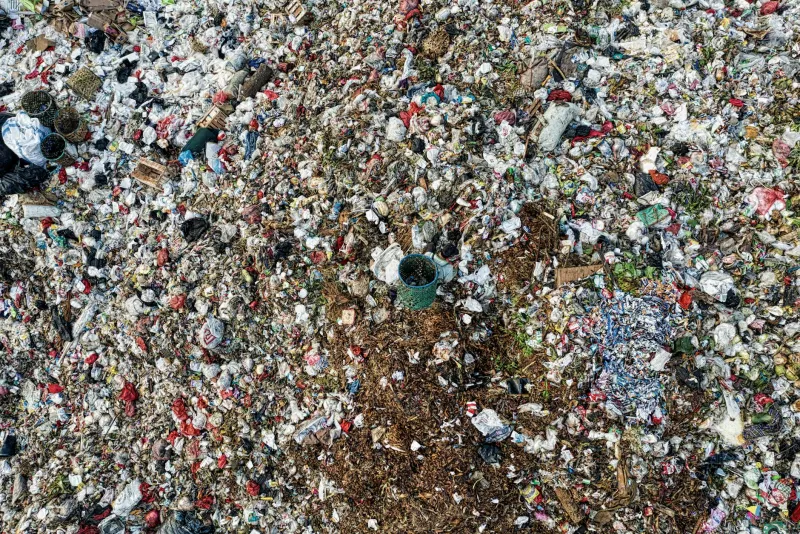
In the rolling countryside of Kent, Margaret Thompson tends to her prize-winning tomatoes with the devotion of someone who has spent forty-three years perfecting her craft. Her allotment plot, nestled between ancient oak trees and a babbling brook, represents everything we cherish about Britain's growing culture: self-sufficiency, connection to the soil, and defiance of industrial food systems. Yet scattered around her immaculate vegetable beds lies evidence of a troubling contradiction—hundreds of plastic plant pots, polythene sheeting, and chemical containers that tell a different story about our supposedly sustainable growing movement.
 Photo: Margaret Thompson, via images.squarespace-cdn.com
Margaret's plot is far from unique. Across Britain's 330,000 allotment plots, from suburban Birmingham to the Scottish Highlands, a quiet plastic crisis unfolds beneath our collective celebration of home-grown vegetables and community spirit.
The Hidden Infrastructure of Growing
Britain's allotment renaissance, accelerated by pandemic-era interest in self-sufficiency and rising food costs, has created unprecedented demand for horticultural supplies. What few acknowledge is how fundamentally this infrastructure depends on single-use plastic products that have no viable end-of-life solution.
Visit any garden centre or agricultural supplier, and the scale becomes apparent. Standard nursery trays contain 40 individual plastic pots, each designed for single-season use before becoming contaminated with soil and root matter that renders them unrecyclable. Industry estimates suggest that British allotment holders purchase over 15 million plastic plant pots annually, with recycling rates below 3%.
Polythene grow bags, marketed as convenient alternatives to traditional soil preparation, represent an even more concerning trend. These plastic sacks, filled with compost and designed to accommodate single plants, cannot be separated from their organic contents at end of life. Local authority waste managers report increasing volumes of soil-contaminated plastic bags in general waste streams, destined inevitably for landfill or incineration.
"We see lorry-loads of this stuff coming through our gates every month," explains David Walsh, operations manager at a Surrey waste processing facility. "Plastic pots, grow bags, fleece sheeting—all too contaminated for recycling, all heading straight to disposal. The irony is that these materials come from people who think they're living sustainably."
Council Complicity in Plastic Proliferation
Local authorities, custodians of most allotment sites across Britain, bear significant responsibility for perpetuating unsustainable practices. Council procurement departments routinely purchase plastic-heavy horticultural supplies for communal facilities, while failing to provide adequate waste management infrastructure for the plastic waste these materials generate.
Freedom of Information requests reveal that Manchester City Council alone spent £47,000 on plastic plant pots and containers for its allotment sites in 2023, with no corresponding budget allocated for sustainable disposal or recycling programmes. Similar patterns emerge across local authorities nationwide, suggesting systemic failure to account for the environmental lifecycle of horticultural materials.
Allotment associations, supposedly representing plot holders' collective interests, show little appetite for challenging these practices. The National Allotment Society's latest guidance documents mention plastic waste only in passing, focusing instead on plot productivity and community building while ignoring the environmental contradictions inherent in current growing methods.
The Supplier Network's Sustainable Blind Spot
Behind Britain's allotment plastic dependency lies a horticultural supply chain that prioritises cost efficiency over environmental responsibility. Major suppliers like Thompson & Morgan and Dobies continue expanding their plastic packaging ranges while offering minimal alternatives for environmentally conscious growers.
Industry representatives defend these practices by citing consumer demand for convenient, lightweight products that reduce transportation costs and handling complexity. However, internal communications obtained through industry contacts reveal a different motivation: plastic products generate significantly higher profit margins than sustainable alternatives, while requiring minimal investment in supply chain innovation.
"The economics are straightforward," admits a purchasing manager at a major horticultural supplier, speaking anonymously. "Plastic pots cost pennies to manufacture and ship easily. Biodegradable alternatives cost five times more and have shorter shelf lives. Until customers are willing to pay premium prices for sustainability, we'll continue selling what the market demands."
This market failure extends beyond individual suppliers to encompass the entire horticultural trade infrastructure. Wholesale nurseries, the source of most plants sold to allotment holders, operate on volume-driven business models that make plastic containers economically essential. Switching to sustainable alternatives would require coordinated action across the entire supply chain—a level of cooperation that commercial pressures make unlikely without regulatory intervention.
Grassroots Innovation Fighting System Inertia
Amidst this landscape of institutional complacency, innovative allotment holders are developing practical alternatives that demonstrate sustainable growing methods remain achievable. In Brighton, the Stanmer Organics collective has eliminated plastic plant pots entirely, using newspaper seed trays and reclaimed containers for all propagation activities. Their yields match conventional plots while generating zero plastic waste.
Similar initiatives emerge across Britain, driven by individual plot holders who refuse to accept the false choice between productive growing and environmental responsibility. The Incredible Edible movement in Todmorden has pioneered community composting systems that eliminate the need for plastic grow bags, while London's Capital Growth network shares resources for making biodegradable plant containers from locally sourced materials.
These grassroots solutions face significant barriers to wider adoption. Allotment associations often discourage deviation from established practices, while council regulations frequently mandate specific materials for 'health and safety' reasons that prioritise liability management over environmental considerations.
The Regulatory Vacuum
Britain's allotment sector operates in a regulatory environment that treats horticultural plastic waste as invisible. Unlike packaging waste from retail and manufacturing, plastic generated by growing activities falls outside extended producer responsibility frameworks, creating a system where environmental costs are externalised onto local communities and future generations.
DEFRA's recent consultation on plastic waste reduction makes no mention of horticultural applications, despite this sector's significant and growing contribution to Britain's plastic waste stream. This oversight reflects broader policy failures that compartmentalise environmental challenges while ignoring their systemic interconnections.
Environmental policy analyst Dr. Rebecca Foster argues that this regulatory blind spot stems from romantic assumptions about traditional growing methods: "Politicians and civil servants imagine allotments as they existed fifty years ago—wooden seed trays, terracotta pots, and natural materials. They haven't recognised how completely industrialised horticultural supply chains have become, or how this transformation undermines the environmental benefits that growing your own food should provide."
Cultivating Change From the Ground Up
Transforming Britain's allotment culture requires acknowledging uncomfortable truths about current practices while supporting innovations that align growing methods with environmental values. This means challenging the horticultural industry's plastic dependency, demanding better from suppliers, and creating infrastructure that makes sustainable alternatives economically viable.
Local authorities must take responsibility for the plastic waste generated on their allotment sites, providing recycling facilities specifically designed for horticultural materials and supporting plot holders who choose sustainable alternatives. Allotment associations should champion environmental stewardship as enthusiastically as they promote community spirit, recognising that both values depend on preserving the natural systems that make growing possible.
Most importantly, Britain's growing movement must confront the contradiction between its environmental aspirations and its material practices. True sustainability requires more than organic growing methods—it demands supply chains, waste systems, and community practices that support rather than undermine the ecological health these spaces are meant to celebrate.
The soil beneath our feet deserves better than a legacy of buried plastic. Britain's allotment renaissance can still fulfil its promise of sustainable abundance, but only if we're willing to dig deeper than surface-level environmental gestures and cultivate genuine change from the ground up.