Delivered Deception: Britain's Food Apps Orchestrate a Plastic Packaging Epidemic
The Digital Dining Revolution's Dirty Secret
Britain's streets have transformed beyond recognition over the past decade. Where once we might have spotted the occasional pizza delivery scooter, our pavements now teem with cyclists and motorcyclists bearing the distinctive thermal bags of Deliveroo, Just Eat, and Uber Eats. This seismic shift in how we consume food has fundamentally altered the British dining landscape, but beneath the convenience and choice lies a mounting environmental catastrophe that these platforms have systematically obscured from public view.
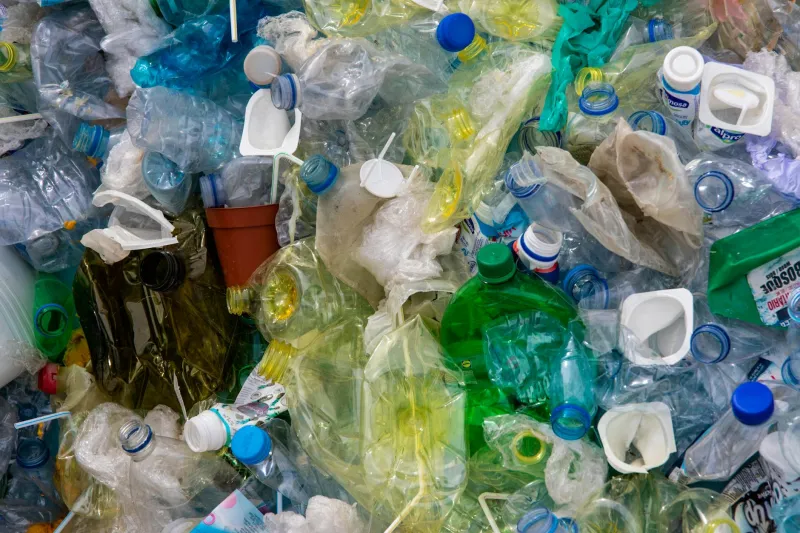
The numbers paint a stark picture of this digital-age environmental disaster. Industry estimates suggest that food delivery orders in Britain have increased by over 700% since 2015, with each order typically generating between three and seven separate pieces of plastic packaging. From polystyrene containers to plastic cutlery sets, sauce sachets to carrier bags, every delivered meal arrives wrapped in a constellation of single-use materials that will outlast the fleeting satisfaction of the food itself by centuries.
Token Gestures and Cosmetic Compliance
Faced with mounting criticism over their environmental impact, Britain's delivery platforms have deployed a familiar corporate playbook: the implementation of superficial green features designed to deflect rather than address the underlying problem. The ubiquitous "no cutlery needed" checkbox has become the poster child for this approach, appearing prominently during the ordering process whilst doing precious little to address the broader packaging crisis.
These platforms trumpet such features as evidence of their environmental commitment, yet the reality reveals a different story entirely. Research conducted across major British cities demonstrates that even when customers explicitly opt out of receiving cutlery, the majority of orders still arrive accompanied by plastic implements. Restaurant partners, operating under intense time pressures and handling dozens of orders simultaneously, routinely ignore these digital preferences in favour of standardised packaging protocols.
Moreover, the focus on cutlery serves as a convenient distraction from the far more significant environmental impact of food containers themselves. A single takeaway meal might arrive in a polystyrene box, wrapped in a plastic bag, accompanied by plastic sauce pots and sealed with tape—yet the platforms' green credentials rest almost entirely on whether a plastic fork accompanies this assemblage of waste.
The Restaurant Partner Predicament
Whilst delivery platforms position themselves as mere facilitators connecting hungry consumers with local restaurants, the reality of their influence over packaging decisions tells a more complex story. Independent restaurant owners across Britain report feeling trapped between conflicting pressures: the platforms' demands for speed and standardisation on one hand, and growing customer awareness of environmental issues on the other.
Many establishments express frustration at the platforms' failure to provide meaningful guidance on sustainable packaging alternatives. Despite generating substantial commission fees from each order—typically between 15% and 35% of the total value—companies like Deliveroo and Just Eat offer minimal support for restaurants seeking to transition away from plastic packaging. This stands in stark contrast to their public messaging, which frequently emphasises partnerships with "environmentally conscious" restaurant partners.
The economic realities facing Britain's hospitality sector, particularly following the disruption of recent years, have made restaurants increasingly dependent on delivery platforms for survival. This dependency creates an environment where environmental concerns become secondary to maintaining platform relationships, effectively outsourcing the environmental consequences of delivery growth to small business owners with limited resources to address them.
Beyond the Kitchen Door: The Hidden Infrastructure of Waste
The true scale of Britain's delivery-driven plastic crisis extends far beyond what arrives at consumers' doorsteps. Behind every delivered meal lies an complex logistics network that generates its own substantial waste streams, largely invisible to both customers and regulatory oversight.
Delivery drivers, operating as independent contractors rather than employees, receive minimal guidance on waste reduction practices. The thermal bags and packaging materials required for food transport create additional waste streams that rarely feature in platforms' sustainability reporting. Meanwhile, the dark kitchens and ghost restaurants that have proliferated to serve delivery demand operate with packaging protocols optimised for speed and durability rather than environmental impact.
Local authorities across Britain report significant increases in street-level litter directly attributable to the delivery boom, yet the platforms themselves bear no direct responsibility for the cleanup costs. This represents a classic case of privatised profits and socialised environmental costs, with British taxpayers ultimately bearing the burden of managing the waste generated by private companies' business models.
The Regulatory Void
Perhaps most troubling is the absence of meaningful regulatory oversight governing the environmental impact of Britain's delivery platforms. Whilst restaurants face increasing scrutiny over their packaging choices through initiatives like the plastic packaging tax, the platforms themselves operate in a regulatory grey area that allows them to influence packaging decisions without accepting responsibility for the consequences.
This regulatory vacuum has enabled the platforms to present themselves as technology companies rather than food service providers, despite their fundamental role in shaping how millions of meals are packaged and consumed across Britain. The result is a system where environmental accountability falls through the gaps between platform policies, restaurant practices, and consumer choices.
Demanding Genuine Change
Britain's delivery platforms possess both the technological capability and market influence necessary to drive meaningful reductions in packaging waste. Their digital interfaces could easily prioritise restaurants offering sustainable packaging, implement robust tracking of environmental impact, and provide transparent reporting on waste generation. Yet such measures remain conspicuously absent from their current operations.
The time has come for British consumers, policymakers, and environmental advocates to demand that these platforms acknowledge their role in orchestrating our national plastic crisis. True sustainability requires more than cosmetic checkboxes and token gestures—it demands fundamental changes to business models built on the assumption that environmental costs can be indefinitely externalised to society at large.
Until Britain's delivery giants accept genuine accountability for their environmental impact, every convenient meal delivered to our doors arrives with an invisible surcharge: a mounting debt to future generations who will inherit the plastic legacy of our digital dining revolution.