Convenience Trap: The Multi-Billion Pound Ready Meal Racket Choking Britain's Environmental Future
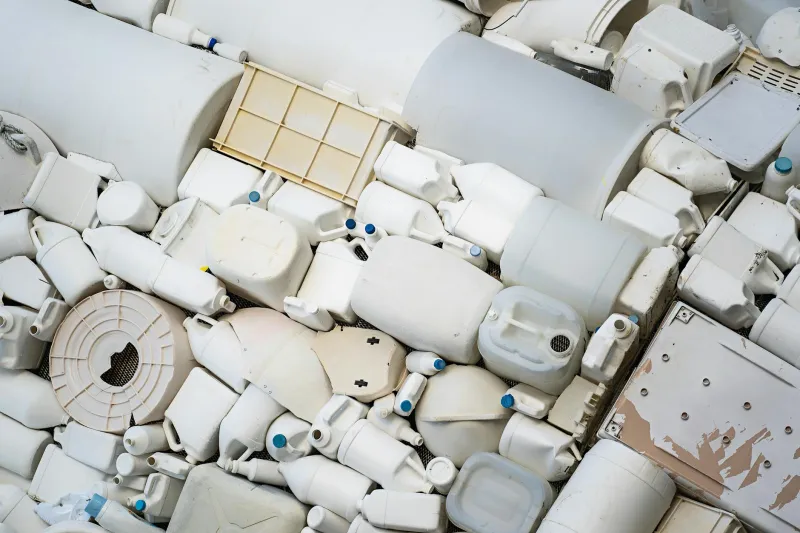
The Plastic Prison of Modern Convenience
Every evening, millions of Britons return home exhausted from their daily grind, reaching instinctively for the freezer compartment. The ritual is familiar: pierce the film, follow the microwave instructions, and within minutes, a steaming meal emerges from its plastic cocoon. Yet beneath this veneer of convenience lies a troubling reality that Britain's ready meal titans would prefer consumers never scrutinise.
The UK's ready meal sector, worth an staggering £3.5 billion annually, has become the nation's most insidious plastic pusher. From Tesco's Finest range to M&S gastropub classics, the industry has perfected a packaging formula that prioritises shelf appeal over environmental responsibility. Multi-layer plastic trays, heat-sealed film lids, and composite materials that defy recycling systems have become the standard architecture of modern British dining.
Corporate Promises, Environmental Failures
The contradiction between corporate rhetoric and reality has never been starker. Iceland Foods proudly trumpets its commitment to eliminate plastic packaging by 2023, yet walk through any of their stores and ready meals remain encased in the same problematic materials. Similarly, Sainsbury's boasts of reducing plastic usage by 50% whilst simultaneously expanding their prepared meal ranges, each nestled in virgin plastic containers.
Recent analysis of packaging data reveals the scale of this deception. The average British household purchases 2.3 ready meals weekly, generating approximately 847 grams of plastic waste monthly from this category alone. Multiply this across the UK's 27.8 million households, and the ready meal industry single-handedly contributes over 280,000 tonnes of plastic waste annually—equivalent to the weight of 1,400 blue whales.
The Engineering of Addiction
The ready meal industry's relationship with plastic extends beyond mere convenience; it represents a carefully engineered system of consumer dependency. The visual appeal of these products relies heavily on transparent packaging that showcases perfectly arranged ingredients. Modified atmosphere packaging, which requires complex multi-layer films, extends shelf life whilst maintaining the illusion of freshness.
Dr Sarah Mitchell, a packaging specialist at Imperial College London, explains the industry's reluctance to change: "These companies have invested decades perfecting packaging systems that maximise profit margins. Transitioning to sustainable alternatives requires substantial capital investment and accepting shorter shelf lives, which directly threatens their business model."
The psychological dimension cannot be ignored. Ready meals represent emotional comfort for time-pressed consumers, and the packaging plays a crucial role in this relationship. The satisfying 'pop' of piercing the film lid, the neat compartmentalisation of ingredients, and the promise of restaurant-quality presentation all depend on current plastic technologies.
Greenwashing in the Chilled Aisle
Perhaps nowhere is corporate greenwashing more evident than in the ready meal sector's sustainability communications. Brands routinely highlight minor packaging improvements—reducing plastic thickness by 10% or introducing recycling symbols—whilst fundamentally maintaining their reliance on problematic materials.
Birds Eye's recent campaign celebrated switching from black plastic trays to transparent ones, claiming improved recyclability. However, the underlying issue remains: these trays still require specialised recycling facilities that most local authorities cannot access. The result is a marginal improvement marketed as revolutionary change.
Similarly, Charlie Bigham's premium ready meals feature prominent "recyclable tray" messaging, yet their products remain encased in multi-component packaging that requires consumers to separate films, trays, and sleeves—a process that recycling experts acknowledge rarely occurs in practice.
The Challengers Breaking the Mould
Amidst this landscape of environmental abdication, a handful of innovative companies are demonstrating that change is possible. Wicked Kitchen, the plant-based ready meal brand, has pioneered compostable packaging made from agricultural waste. Their lasagne containers, derived from wheat straw and sugarcane pulp, decompose within 90 days in home composting systems.
London-based startup Plantish has gone further, developing reusable glass containers for their premium ready meals. Customers pay a £3 deposit per container, which is refunded upon return to participating retailers. The model, inspired by traditional milk bottle systems, has achieved a remarkable 89% return rate across their trial locations.
These pioneers face significant challenges. Compostable packaging costs approximately 40% more than conventional plastic, whilst reusable systems require complex logistics networks. Yet their success demonstrates that consumer appetite for sustainable alternatives exists when companies genuinely commit to change.
The True Cost of Convenience
The environmental impact of Britain's ready meal obsession extends beyond packaging waste. The industry's reliance on plastic has created a false economy that externalises environmental costs onto society. Local authorities spend millions annually managing ready meal packaging waste, whilst marine ecosystems suffer from the inevitable leakage of these materials into natural environments.
Recent studies suggest that microplastics from ready meal packaging are entering the food chain through multiple pathways. Heat-sealed films can release plastic particles when heated, whilst degrading containers in landfills contribute to groundwater contamination. The convenience that defines modern British eating habits may ultimately compromise the health of future generations.
Demanding Real Change
The ready meal industry's continued reliance on problematic packaging represents a failure of both corporate responsibility and regulatory oversight. Whilst companies profit from consumer convenience addiction, the environmental costs compound daily.
Real change requires coordinated pressure from multiple directions. Consumers must vote with their wallets, prioritising brands that demonstrate genuine commitment to sustainable packaging. Retailers must leverage their purchasing power to demand innovation from suppliers. Most importantly, government regulation must establish mandatory targets for packaging reduction, with meaningful penalties for non-compliance.
Britain's ready meal industry has proven that convenience and sustainability need not be mutually exclusive. The question remains whether corporate leaders will embrace this reality before environmental necessity forces their hand. The plastic promises of gradual improvement are no longer sufficient—the time for fundamental transformation is now.