Britain's Care Crisis: The 15,000 Facilities Generating Plastic Waste Without Environmental Oversight
The Invisible Environmental Crisis
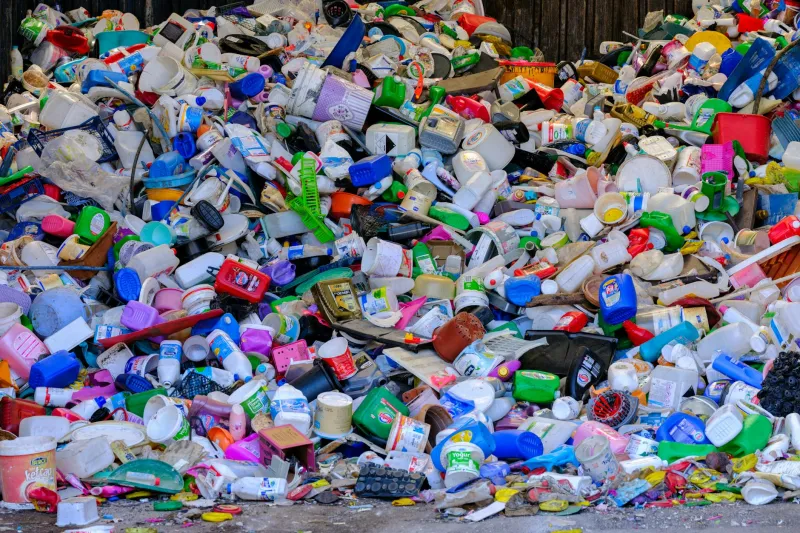
Britain's care home sector represents one of the most significant blind spots in environmental policy, with over 15,000 facilities operating without meaningful sustainability oversight or waste reporting requirements. These institutions, housing approximately 400,000 residents across England alone, generate substantial plastic waste streams that remain largely invisible to environmental regulators and public scrutiny.
Whilst NHS trusts face increasing pressure to publish sustainability frameworks and reduce environmental impacts, privately operated care facilities continue expanding their plastic footprint without accountability mechanisms. This regulatory asymmetry creates perverse incentives where profit-driven operators can prioritise cost reduction over environmental responsibility whilst public healthcare providers bear sustainability burdens.
The scale of this oversight becomes apparent when considering daily operational requirements. A typical 50-bed care facility processes thousands of individually packaged medications, serves meals using disposable cutlery and containers, and maintains hygiene standards through single-use protective equipment—all generating plastic waste that escapes environmental monitoring.
Medication Packaging: The Hidden Plastic Mountain
Britain's care home residents consume approximately 1.2 billion individual medication doses annually, with over 85% delivered in single-use plastic packaging systems. Blister packs, pill bottles, and syringe dispensers create continuous waste streams that dwarf household pharmaceutical consumption patterns.
The Monitored Dosage System (MDS), widely adopted across care facilities for safety reasons, exemplifies this packaging intensity. Each weekly medication cycle generates between 15-30 plastic compartments per resident, multiplied across hundreds of thousands of individuals receiving care. These specialised containers resist recycling due to medication residues and complex material compositions.
 Photo: Monitored Dosage System, via cdn.originltd.com
Pharmaceutical suppliers compound these impacts through packaging strategies optimised for institutional purchasing rather than environmental responsibility. Bulk medication supplies arrive wrapped in multiple plastic layers, with individual doses further encased in tamper-evident packaging that prioritises liability protection over sustainability.
Dining Services: Disposable Culture in Disguise
Care home dining operations increasingly rely on disposable serving systems marketed as hygiene improvements yet functioning primarily as cost reduction mechanisms. Pre-packaged meal components, disposable cutlery, and single-use cups have largely replaced traditional crockery and reusable implements across the sector.
Industry purchasing data reveals that British care homes consume approximately 180 million disposable plates annually, alongside 240 million plastic cups and 520 million pieces of disposable cutlery. These volumes reflect systematic operational choices rather than regulatory requirements, as health authorities impose no mandates for disposable dining equipment.
Food service contractors exploit these dynamics by offering packages that bundle disposable products with meal delivery services, creating economic incentives for care home operators whilst externalising environmental costs. Companies like Apetito and Country Range market convenience solutions that eliminate washing requirements whilst generating substantial plastic waste streams.
Hygiene Theatre: Excessive Protective Packaging
Care homes have embraced extensive use of disposable protective equipment extending far beyond medical necessity into general hygiene practices. Plastic gloves, disposable aprons, and protective covers are deployed for routine activities that historically required standard hygiene protocols without single-use materials.
This expansion reflects risk-averse management cultures that conflate visible plastic usage with professional standards. Staff training programmes emphasise protective equipment deployment whilst providing minimal education about appropriate usage levels or environmental considerations.
The COVID-19 pandemic accelerated these trends by legitimising excessive protective equipment usage that has persisted beyond emergency requirements. Care homes continue consuming industrial quantities of disposable materials for routine care activities that pose minimal infection risks.
Regulatory Asymmetry: NHS Standards vs Private Operations
Britain's healthcare sustainability framework creates stark contrasts between NHS facilities and privately operated care homes. NHS trusts must publish annual sustainability reports, implement carbon reduction strategies, and demonstrate environmental improvement programmes. Meanwhile, care homes—often operated by multinational corporations—face no comparable requirements.
This regulatory disparity reflects historical policy assumptions that private healthcare operators would voluntarily adopt environmental best practices. However, evidence suggests the opposite outcome, with profit-maximising incentives driving unsustainable operational choices that would be unacceptable in public healthcare settings.
Care Quality Commission inspections focus exclusively on care standards whilst omitting environmental considerations entirely. Facilities can receive outstanding ratings whilst operating highly unsustainable practices that contradict broader governmental environmental commitments.
 Photo: Care Quality Commission, via d2q79iu7y748jz.cloudfront.net
Corporate Ownership: Profit vs Sustainability
Britain's care home sector is dominated by large corporate entities including HC-One, Barchester Healthcare, and international operators like Orpea. These companies manage hundreds of facilities through centralised procurement systems that prioritise cost efficiency over environmental responsibility.
Financial reporting from major operators reveals minimal environmental expenditure or sustainability investment. HC-One's recent annual reports contain no environmental performance data despite operating over 300 facilities across Britain. This absence of environmental accountability extends across the sector's largest operators.
Private equity ownership structures compound these issues by creating short-term profit pressures that discourage environmental investments with longer payback periods. Sustainability initiatives requiring capital expenditure or operational changes face systematic resistance within profit-maximising frameworks.
Family and Resident Awareness: The Information Gap
Families selecting care facilities for relatives receive extensive information about care quality, staffing levels, and recreational programmes whilst remaining entirely uninformed about environmental practices. Marketing materials emphasise comfort and safety whilst omitting sustainability considerations that increasingly concern British consumers.
This information asymmetry prevents environmentally conscious families from making informed choices about care provision. Facilities with identical care ratings may operate vastly different environmental practices, yet families lack access to comparative data enabling responsible selection.
Resident councils and family forums could provide oversight mechanisms for environmental practices, yet these groups typically focus on immediate care concerns whilst remaining unaware of broader sustainability implications.
Innovation Opportunities: Sustainable Care Models
Several British care providers have demonstrated that environmental responsibility and high-quality care can coexist through innovative operational models. Dementia-specific facilities operated by Belong and ExtraCare have implemented comprehensive sustainability programmes without compromising care standards.
These examples prove that sustainable practices can reduce operational costs whilst improving resident experiences. Reusable dining equipment, bulk medication systems, and waste reduction programmes generate financial savings that support enhanced care provision.
Technology solutions offer additional opportunities for environmental improvement. Electronic medication management systems, digital care planning, and automated inventory controls can substantially reduce plastic packaging requirements whilst improving operational efficiency.
Policy Intervention: Extending NHS Standards
Britain's environmental policy framework must expand to encompass privately operated care facilities through mandatory sustainability reporting and waste reduction requirements. Care homes should face identical environmental obligations to NHS facilities, eliminating regulatory asymmetries that enable unsustainable practices.
Local commissioning authorities possess immediate intervention capabilities through procurement specifications that prioritise environmental performance alongside care quality. Council-funded placements could require sustainability commitments from care providers, creating market incentives for environmental improvement.
The Care Quality Commission should incorporate environmental assessments into inspection frameworks, ensuring that care quality ratings reflect comprehensive operational performance including sustainability practices.
Conclusion: Accountability for Britain's Most Vulnerable
Britain's care home sector cannot continue operating beyond environmental accountability whilst serving the nation's most vulnerable populations. The systematic exclusion of sustainability considerations from care provision contradicts societal values and governmental environmental commitments.
Regulatory reform, corporate accountability measures, and consumer awareness campaigns represent essential components of systemic change. Without coordinated intervention, Britain's ageing population will receive care through increasingly unsustainable systems that compromise environmental futures whilst claiming to protect human wellbeing.
The moral imperative for action extends beyond environmental concerns to encompass intergenerational justice and corporate responsibility. Care providers must demonstrate that protecting vulnerable individuals and protecting environmental systems are complementary rather than competing objectives.