Paving Paradise: Britain's Urban Development Embeds Plastic Legacy in Every Street Corner
The Synthetic City Revolution
Across Britain's urban centres, from Manchester's regenerated quarters to Cardiff's modern developments, a silent transformation is embedding millions of tonnes of plastic into the permanent infrastructure of our cities. Local planning committees, operating with minimal environmental oversight, routinely approve projects that integrate synthetic materials into roads, pavements, drainage systems, and public spaces—creating a plastic legacy that will persist for generations.
This systematic embedding of plastic into Britain's urban fabric represents one of the most significant yet overlooked environmental challenges facing our cities. Unlike consumer plastic waste, which can theoretically be collected and processed, infrastructure plastic becomes permanently integrated into the built environment, making future removal virtually impossible.
Council Complicity and Planning Failures
Local authorities across England, Scotland, and Wales consistently prioritise cost reduction over environmental impact when approving urban development projects. Plastic-based materials offer immediate financial advantages—lower installation costs, reduced maintenance requirements, and simplified procurement processes—that appeal to budget-conscious councils operating under central government funding constraints.
Birmingham City Council's recent approval of polymer-modified asphalt for major road resurfacing projects exemplifies this short-term thinking. Despite containing significant plastic content, these materials receive planning approval without comprehensive lifecycle environmental assessments. The council's justification focuses exclusively on durability and cost-effectiveness, ignoring long-term environmental consequences.
The Hidden Plastic Infrastructure Web
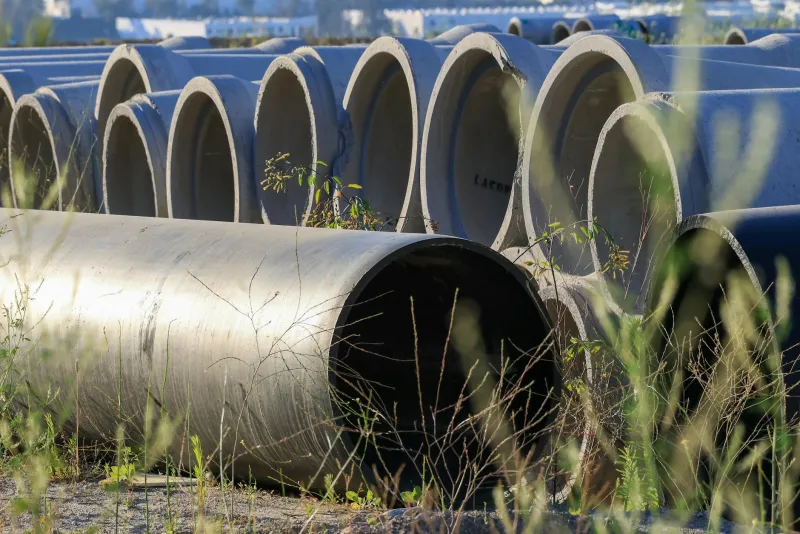
Britain's modern urban infrastructure increasingly relies on plastic-intensive components that escape public scrutiny. Synthetic drainage pipes, polymer-coated street furniture, plastic-based insulation materials, and composite decking systems have become standard specifications in public construction projects. These materials integrate seamlessly into the urban landscape, making their environmental impact invisible to residents and councillors alike.
The scale of this plastic embedding is unprecedented. Recent analysis of London's infrastructure projects reveals that new developments incorporate an average of 2.3 tonnes of plastic per hectare—a figure that compounds annually as urban regeneration accelerates across Britain's major cities.
Regulatory Vacuum and Accountability Gaps
Britain's planning system lacks mandatory plastic impact assessments for infrastructure projects. Unlike carbon emissions, which face increasing regulatory scrutiny, plastic usage in public construction projects operates in a regulatory vacuum. This oversight allows developers and contractors to specify plastic-intensive materials without demonstrating environmental necessity or considering sustainable alternatives.
The Department for Levelling Up, Housing and Communities has failed to establish binding guidelines for plastic usage in public infrastructure projects. This regulatory gap enables local authorities to approve environmentally damaging projects whilst maintaining technical compliance with existing planning regulations.
Alternative Approaches and Progressive Examples
Several forward-thinking councils demonstrate that sustainable urban development remains entirely feasible. Brighton & Hove City Council has implemented comprehensive material sustainability assessments that specifically evaluate plastic content in all major infrastructure projects. Their approach prioritises natural materials, recycled alternatives, and innovative bio-based composites that offer comparable performance without permanent environmental impact.
Similarly, Edinburgh's recent commitment to plastic-free public space development shows how environmental leadership can drive innovation in urban planning. By requiring contractors to justify plastic usage and demonstrate the unavailability of sustainable alternatives, the council has successfully reduced infrastructure plastic consumption by 40% across major projects.
The Microplastic Time Bomb
Beyond immediate environmental concerns, Britain's plastic infrastructure creates a long-term microplastic contamination threat. Synthetic road surfaces, polymer drainage systems, and plastic-based construction materials gradually degrade, releasing microscopic particles into soil, waterways, and air. This slow-release contamination process will continue for decades, creating cumulative environmental damage that current planning decisions ignore.
Demanding Infrastructure Accountability
Britain's urban development trajectory demands immediate course correction. Citizens must pressure local councillors to implement mandatory plastic impact assessments for all public infrastructure projects. Environmental groups should scrutinise planning applications and challenge plastic-intensive developments through established consultation processes.
The future of Britain's cities depends on planning decisions made today. Either we embed sustainable materials into our urban infrastructure, or we create a plastic legacy that future generations will struggle to remedy. The choice remains ours—but the window for action is rapidly closing.