The Hidden Banquet: Wedding Caterers' Plastic Addiction Threatens Britain's Matrimonial Dreams
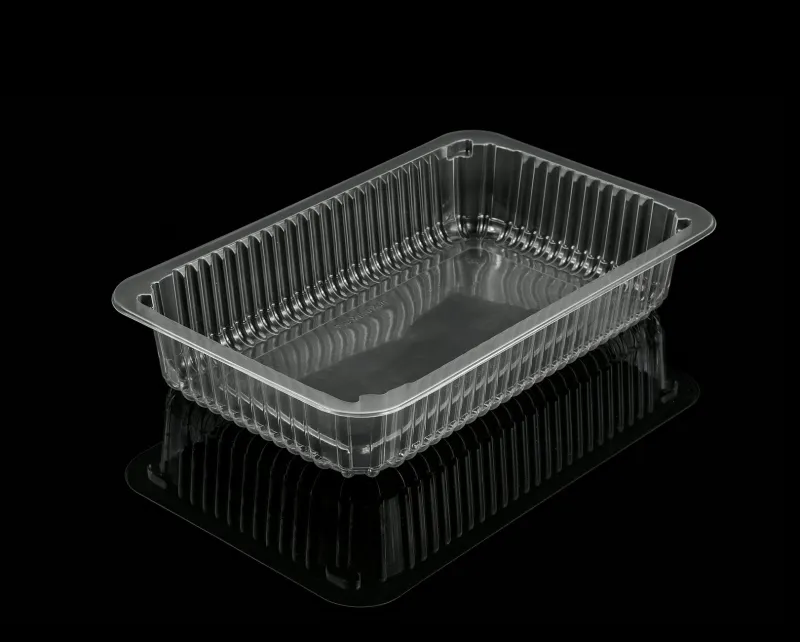
The Invisible Waste Behind Every 'I Do'
In the picturesque countryside venues of the Cotswolds and the grand halls of Scotland's historic estates, Britain's wedding industry presents itself as the epitome of tradition and elegance. Yet beneath the carefully curated Instagram moments and sustainability pledges lies a shocking reality: the catering sector systematically conceals one of the most wasteful plastic operations in the hospitality industry.
 Photo: the Cotswolds, via a.cdn-hotels.com
Every weekend, as thousands of couples exchange vows across Britain, their reception venues generate industrial quantities of plastic waste that would horrify environmentally conscious newlyweds. The contrast is stark—couples who spend months sourcing biodegradable confetti and locally grown flowers remain blissfully unaware that their wedding breakfast arrives wrapped in layers of disposable plastic.
The Supply Chain's Dirty Secret
Britain's wedding catering supply chain operates on a foundation of convenience-driven plastic dependency. Major suppliers deliver pre-portioned ingredients sealed in single-use packaging, whilst chefs rely on disposable gloves, plastic wrap, and synthetic serving equipment to maintain food safety standards. The scale is staggering—a typical 150-guest reception generates approximately 40 kilograms of plastic waste before the first course is served.
Commercial catering suppliers defend these practices by citing food safety regulations, yet comparable industries have successfully transitioned to sustainable alternatives. The wedding sector's resistance stems from profit margins rather than genuine operational constraints. Disposable equipment eliminates washing costs, whilst single-use packaging reduces labour requirements—savings that caterers pocket whilst couples pay premium prices for supposedly bespoke services.
Venue Complicity and Consumer Deception
Britain's most prestigious wedding venues actively participate in this environmental deception. Venues that market themselves as eco-friendly and sustainable routinely permit caterers to operate wasteful plastic-intensive kitchens, provided the evidence disappears before guests arrive. This calculated concealment represents a fundamental breach of consumer trust.
The National Association of Catering Equipment Manufacturers estimates that Britain's wedding catering industry consumes over 12,000 tonnes of single-use plastic annually—equivalent to the weight of 80 blue whales. Yet not a single major venue chain publishes plastic waste data or commits to measurable reduction targets.
Breaking the Plastic Promise
Transformation requires immediate industry accountability. Progressive venues in Brighton and Bristol have demonstrated that sustainable catering operations are entirely feasible, utilising reusable serving equipment, bulk ingredient purchasing, and comprehensive waste tracking systems. These pioneers prove that environmental responsibility and operational efficiency can coexist.
Couples planning weddings must demand transparency from caterers and venues. Questions about plastic usage, waste disposal methods, and sustainability policies should become standard during venue visits. The wedding industry's environmental impact extends far beyond the ceremony itself—it shapes cultural attitudes towards consumption and responsibility.
The Path Forward
Britain's wedding industry stands at a crossroads. Either it embraces genuine sustainability practices that match couples' environmental values, or it continues perpetuating a system that transforms life's most precious moments into environmental disasters. The choice belongs to consumers who must refuse to accept pretty promises whilst tolerating ugly practices.
Every couple deserves a celebration that reflects their values—including their commitment to environmental stewardship. Britain's wedding catering industry must abandon its plastic addiction and embrace the sustainable practices that future generations will thank us for implementing.