Britain's Water Crisis Hidden in Plain Sight: The Microplastic Contamination Fuelling Our Bottled Water Obsession
The Ultimate Corporate Paradox
Britain's water infrastructure represents one of the nation's greatest public health achievements. Yet walk down any British high street, and you'll witness a peculiar contradiction: queues of consumers purchasing plastic bottles filled with water that's often inferior to what flows freely from their kitchen taps. This isn't merely a consumer choice—it's the result of decades of corporate manipulation that has created a crisis whilst marketing itself as the solution.
The numbers are staggering. Britons purchase approximately 13 billion plastic water bottles annually, with the average household spending £200 yearly on bottled water despite having access to some of the world's most rigorously tested tap water. Thames Water alone conducts over 500,000 water quality tests each year, far exceeding the monitoring requirements for most bottled water brands.
The Contamination Feedback Loop
What the bottled water industry refuses to acknowledge is its role in contaminating the very resource it claims to protect. Independent research conducted by the University of East Anglia reveals that microplastics—tiny fragments measuring less than 5mm—are increasingly present in Britain's water systems, with concentrations rising by 15% annually in urban areas.
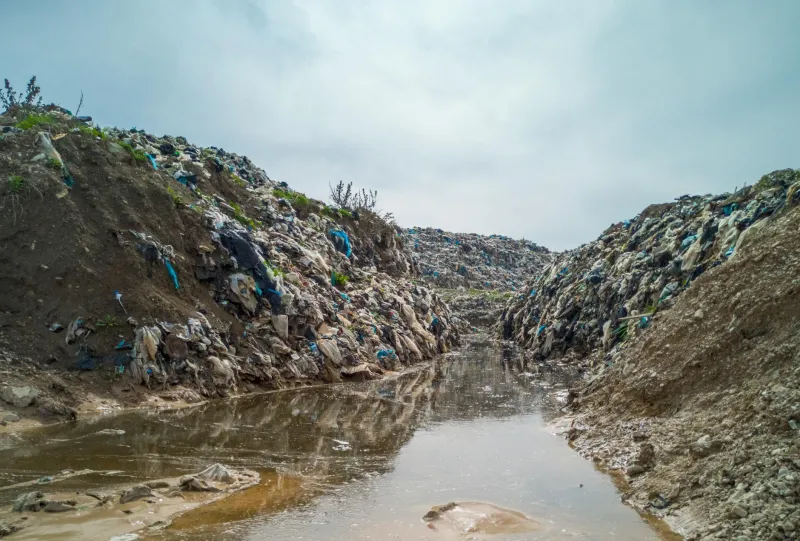
These microplastics don't materialise from thin air. They originate from the breakdown of the billions of single-use bottles discarded across Britain's landscape. When plastic bottles degrade in rivers, reservoirs, and groundwater sources, they release microscopic particles that infiltrate the water treatment process. Current filtration systems, designed to remove bacteria and chemicals, struggle to capture particles smaller than 0.1mm.
Dr Sarah Mitchell from the British Water Quality Institute explains: "We're witnessing a feedback loop where plastic bottle consumption creates the very contamination that companies then exploit to sell more plastic bottles. It's environmental vandalism disguised as consumer convenience."
Marketing Fear, Manufacturing Dependency
The bottled water industry's success stems from a masterful campaign of manufactured doubt. Companies like Nestlé, Danone, and Coca-Cola have invested millions in marketing campaigns subtly questioning tap water quality whilst positioning their products as purer alternatives. Television adverts showcase pristine mountain springs whilst omitting the fact that many brands simply bottle filtered tap water.
This strategy proves particularly effective during water infrastructure incidents. When Thames Water experienced a brief supply interruption in South London last year, bottled water sales increased by 400% in affected areas—and remained elevated long after services resumed. Corporate communications teams actively monitor water utility social media accounts, ready to amplify consumer concerns through targeted advertising.
The Hidden Health Implications
Ironically, bottled water often contains higher microplastic concentrations than tap water. A comprehensive study by Orb Media found that 93% of bottled water samples contained microplastic contamination, compared to 72% of tap water samples. The plastic bottles themselves leach chemicals—particularly when exposed to heat or sunlight—introducing phthalates and antimony into the water supply.
Yet Britain's regulatory framework treats bottled water more leniently than tap water. While water companies must test for over 50 different contaminants daily, bottled water manufacturers conduct far less frequent testing with more limited parameters. This regulatory asymmetry allows companies to market inferior products at premium prices.
Environmental Justice and Economic Exploitation
The bottled water industry's impact extends beyond environmental damage to economic exploitation. Lower-income households often purchase bottled water due to legitimate concerns about ageing pipes in social housing or temporary accommodation. Rather than addressing infrastructure inequality, companies profit from systemic failures whilst contributing to the contamination affecting vulnerable communities most severely.
Research by the Joseph Rowntree Foundation reveals that households in temporary accommodation spend up to 5% of their income on bottled water—money that could address other basic needs. Meanwhile, these same communities face disproportionate exposure to plastic waste facilities and contaminated water sources.
Regulatory Capture and Political Inaction
Despite mounting evidence, Britain's regulatory response remains inadequate. The Environment Agency acknowledges microplastic contamination but lacks the authority to regulate bottled water marketing claims effectively. The Advertising Standards Authority has upheld complaints against misleading bottled water adverts, yet companies continue similar campaigns with minor modifications.
Parliamentary committees have raised concerns about single-use plastics whilst ignoring the bottled water industry's contribution to the crisis. This selective blindness reflects the industry's lobbying influence and the government's reluctance to challenge established commercial interests.
Breaking the Cycle
Several European nations demonstrate alternative approaches. Italy has banned plastic bottles in government buildings, whilst France mandates water fountains in public spaces. These policies recognise that addressing plastic pollution requires confronting corporate narratives that prioritise profit over environmental protection.
British councils are beginning to respond. Manchester City Council has installed 50 public water fountains since 2019, reducing bottled water purchases in city centres by an estimated 30%. Similar initiatives in Bristol and Edinburgh demonstrate public appetite for plastic-free alternatives.
The Path Forward
Britain's water crisis isn't about scarcity—it's about corporate capture of a public resource. Until we acknowledge that bottled water companies are simultaneously causing and profiting from water contamination, meaningful progress remains impossible. The solution requires regulatory reform, infrastructure investment, and public recognition that our tap water represents a collective achievement worth protecting.
The choice facing Britain is clear: continue subsidising an industry that profits from environmental destruction, or reclaim confidence in the water systems that once made us a global leader in public health. The microplastics flowing from our taps serve as a daily reminder that corporate promises, like plastic bottles, eventually break down—leaving communities to manage the toxic legacy.