Britain's Disposable Vape Epidemic: Five Million Toxic Devices Discarded Weekly in Regulatory Wilderness
The Silent Catastrophe in Our Streets
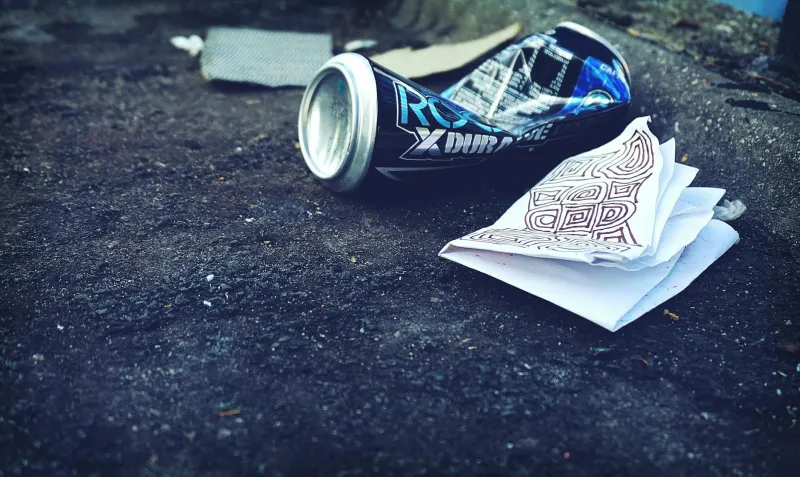
Across Britain's urban landscapes, a new form of pollution has emerged with startling speed and devastating consequences. Colourful plastic tubes litter pavements, parks, and waterways—the remnants of a disposable vaping boom that generates five million units of toxic waste every week. Unlike cigarette butts, which decompose within months, these devices contain lithium batteries, electronic components, and plastic casings that will persist in the environment for decades.
The scale defies comprehension. In just three years, disposable vapes have transformed from niche products to ubiquitous waste, with an estimated 1.3 billion units sold in Britain during 2023 alone. Each device represents a complex cocktail of environmental hazards: plastic polymers, lithium-ion batteries, copper wiring, and residual nicotine solutions that leach into soil and water systems.
Yet this crisis has unfolded almost entirely outside public discourse about plastic pollution. While politicians debate plastic straws and shopping bags, an industry generating exponentially more toxic waste operates with minimal oversight or accountability.
Regulatory Capture and Political Blindness
The disposable vape industry's rapid expansion exploited a regulatory vacuum that persists today. When e-cigarettes emerged as alternatives to traditional smoking, health authorities focused exclusively on nicotine content and marketing restrictions whilst ignoring environmental implications. This narrow scope allowed manufacturers to design products with built-in obsolescence that maximises waste generation.
Unlike other electronic devices, disposable vapes face no extended producer responsibility requirements. Manufacturers bear no costs for collection, recycling, or safe disposal of their products. This regulatory asymmetry creates perverse incentives where companies profit from environmental destruction whilst externalising cleanup costs onto local authorities and taxpayers.
The Department for Environment, Food and Rural Affairs (DEFRA) acknowledges the problem but claims limited authority over products regulated primarily for health reasons. Meanwhile, the Medicines and Healthcare products Regulatory Agency (MHRA) focuses on nicotine safety whilst ignoring environmental impacts. This jurisdictional confusion allows the crisis to expand whilst agencies debate responsibility.
Corporate Irresponsibility at Industrial Scale
Major retailers profit enormously from disposable vape sales whilst accepting zero responsibility for resulting waste. Tesco, ASDA, and Sainsbury's generate millions in revenue from products designed to be discarded after single use, yet none operate meaningful take-back schemes. When questioned about environmental impacts, retailers typically deflect responsibility to manufacturers or consumers.
The industry's leading brands—Elf Bar, Geek Bar, and Lost Mary—market products explicitly as disposable conveniences. Their packaging emphasises ease of use and disposal, with no information about environmental impacts or recycling options. Marketing materials celebrate the elimination of charging cables and refill processes, positioning waste generation as a consumer benefit.
These companies operate through complex international supply chains that obscure accountability. Most devices are manufactured in China by companies with no presence in Britain, making enforcement of environmental standards virtually impossible. When devices malfunction or cause environmental damage, affected communities have no recourse against manufacturers.
The Toxic Legacy Hidden in Plain Sight
Each disposable vape contains a lithium-ion battery with enough capacity for 300-600 puffs—equivalent to 20-40 traditional cigarettes. The lithium extraction required for these batteries devastates ecosystems in South America and Africa, whilst disposal creates fire hazards in Britain's waste management facilities. Local fire services report increasing incidents at recycling centres caused by discarded vape batteries.
The plastic casings, typically made from polycarbonate or ABS polymers, resist degradation for decades whilst releasing microplastics into soil and water. Unlike biodegradable cigarette filters, vape components accumulate in the environment indefinitely. Coastal cleanup volunteers report finding hundreds of vape devices during single collection events, often concentrated near schools and transport hubs.
Residual nicotine and flavouring chemicals pose additional hazards. When devices break down, these substances contaminate soil and groundwater with compounds designed to be psychoactive. The long-term ecological impacts remain unknown, as regulatory agencies have conducted no comprehensive environmental assessments.
Youth Market Exploitation and Environmental Justice
The disposable vape industry deliberately targets young consumers through social media marketing, flavour varieties, and retail placement strategies. This demographic proves particularly susceptible to disposable consumption patterns, viewing single-use devices as normal rather than environmentally destructive.
Schools across Britain report finding hundreds of discarded vapes weekly on their premises. Headteachers describe playgrounds littered with colourful plastic tubes that children mistake for toys. The devices' bright colours and sweet flavours create confusion among younger children who may attempt to play with or consume discarded products.
Working-class communities bear disproportionate impacts from vape waste. Devices concentrate in areas with high footfall and limited waste management resources, creating environmental justice issues that mirror broader patterns of pollution inequality. Residents in social housing estates and urban centres encounter daily reminders of corporate irresponsibility whilst lacking political influence to demand change.
International Precedents and Policy Solutions
Several nations demonstrate that regulatory action can address disposable vape waste effectively. Australia has banned disposable vapes entirely, requiring consumers to purchase refillable devices from licensed pharmacies. New Zealand imposes extended producer responsibility requirements that make manufacturers pay for waste management costs.
France requires retailers to provide collection points for electronic waste, including vapes, whilst Germany's packaging laws impose fees on single-use products that fund recycling infrastructure. These approaches recognise that environmental protection requires proactive regulation rather than voluntary industry initiatives.
Britain's government possesses similar regulatory authority but lacks political will to challenge a profitable industry. The Treasury collects substantial VAT revenue from vape sales, creating financial incentives to maintain the status quo despite environmental costs.
The Recycling Myth and Corporate Greenwashing
Industry representatives frequently cite recycling as a solution to vape waste, yet no meaningful recycling infrastructure exists for these complex devices. The combination of plastics, electronics, and chemical residues requires specialised processing that standard recycling facilities cannot provide.
Some manufacturers have announced voluntary take-back schemes, but these programmes operate on minimal scales that cannot address the volume of waste generated. Elf Bar's UK recycling initiative processes fewer than 1% of devices sold, whilst requiring consumers to travel significant distances to participate.
These token efforts serve primarily as marketing tools that allow retailers to claim environmental responsibility whilst continuing to sell products that generate massive waste streams. The recycling myth provides cover for business models fundamentally incompatible with environmental sustainability.
Breaking the Disposable Dependency
Addressing Britain's vape waste crisis requires acknowledging that current consumption patterns are environmentally unsustainable regardless of recycling efforts. The solution lies not in managing waste more efficiently, but in eliminating unnecessary waste generation through regulatory reform.
Policy options include banning single-use vapes, imposing extended producer responsibility requirements, mandating retailer take-back schemes, and creating tax incentives for refillable alternatives. These measures would align Britain's approach with broader plastic reduction commitments whilst protecting public health objectives.
The Moment of Reckoning
Britain stands at a crossroads regarding disposable vape regulation. Current trajectories suggest that weekly waste generation will reach ten million devices by 2025, creating environmental damage that will persist for generations. Yet the industry's relative youth means that regulatory intervention could still prevent the worst outcomes.
The choice facing policymakers is whether Britain will lead international efforts to address electronic waste or continue subsidising environmental destruction through regulatory inaction. The five million vapes discarded weekly represent more than consumer choices—they symbolise a political system that prioritises short-term commercial interests over long-term environmental protection.
Every day that passes without regulatory action allows this crisis to deepen, making eventual solutions more costly and complex. The question is not whether Britain will address disposable vape waste, but whether we will act before the damage becomes irreversible.