Veiled in Waste: The Single-Use Plastics Lurking Behind Britain’s 2026 Wedding Aisle
The white dress, the hidden plastic
A British wedding is a piece of theatre. It is also a procurement exercise. Behind the vows, the speeches and the first dance lies a supply chain of suppliers, venues and products, many of which arrive wrapped in plastic and leave as waste. The industry rarely advertises this. Romance is the product; disposability is the hidden cost.
This is not an argument against celebration. It is an argument against the quiet normalisation of single-use plastic at the heart of an event that is supposed to symbolise permanence. If a marriage is meant to last, why is so much of the surrounding paraphernalia designed to be thrown away by Monday morning?
Faux flowers and the aesthetics of avoidance
Faux-floral arrangements have become a staple of UK weddings. They offer consistency, affordability and the promise of reuse. In principle, that is a good thing. In practice, many faux flowers are made from polyester, plastic stems and synthetic dyes, and are imported in plastic packaging. They may be reused once or twice, but they are rarely recyclable and often end up in landfill when tastes change.
Dried flowers are not automatically better. They may be grown and processed responsibly, but they can arrive wrapped in plastic and treated with dyes or finishes. The point is not to police every petal. It is to ask suppliers for evidence, not aesthetics alone. A florist who can explain material content, reuse options and end-of-life routes is worth more than a pretty display that hides its origins.
Confetti, favours and the theatre of waste
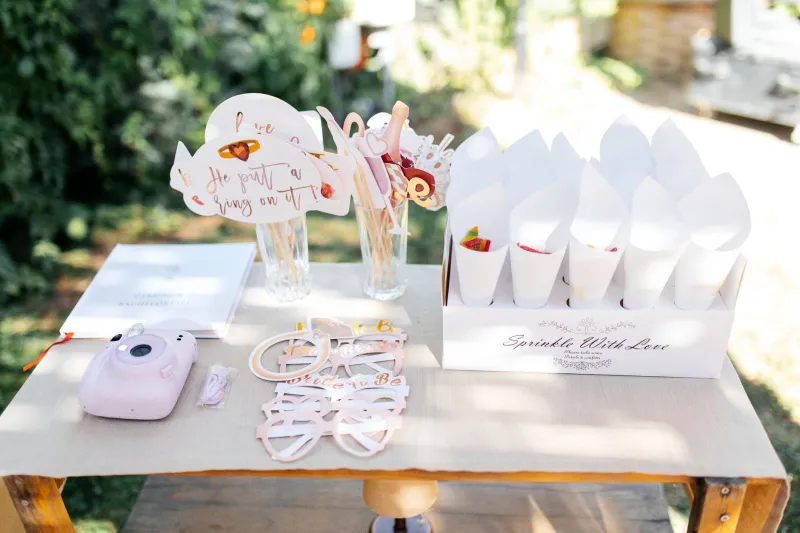
Wedding confetti is a small item with a large symbolic problem. Plastic confetti scatters into soil, waterways and venue grounds, where it can persist for years. Some venues have banned it. Some suppliers sell paper, dried petals or biodegradable alternatives, but the word ‘biodegradable’ requires scrutiny. Biodegradable plastic may not break down in the real world, and paper confetti can still create litter if it is not collected.
Favours are another hidden plastic stream. Personalised keyrings, plastic frames, novelty sunglasses, disposable cameras, fans, magnets and trinkets are often bought in bulk and left on tables. They are designed to be cute, not durable. The most sustainable favour is usually edible, useful or absent. Couples should not feel obliged to buy landfill in the name of gratitude.
Table scatter, place cards, signage and menus add more. Laminated signs, plastic holders, glittered card and synthetic ribbon may look polished in photographs but complicate waste sorting. Dress packaging, garment bags, hangers and tissue can also be plastic-heavy, even when the dress itself is natural fibre.
The sustainable venue mirage
Venues increasingly market themselves as sustainable. Some are genuine: they source renewable energy, reduce food waste, ban plastic confetti and offer reusable crockery. Others are less convincing. A venue may promote its ‘eco’ credentials whilst serving drinks in single-use plastic cups, wrapping late-night food in plastic and providing plastic-coated menus.
Couples should ask specific questions before signing a contract. What happens to waste on the day? Are cups reusable or compostable? Is confetti permitted, and what kind? Are decorations allowed to be reused? Does the venue have a waste contractor that separates recycling? Can suppliers deliver without plastic wrap? The answers will reveal whether sustainability is operational or merely a line on a website.
The same applies to wedding planners and stylists. A planner who markets ‘sustainable weddings’ should be able to provide a material policy, preferred supplier list and evidence of past practice. Vague assurances are not enough. Greenwashing at a wedding is still greenwashing, even if it arrives with a ribbon.
What couples can demand
Couples have more power than they often realise. Suppliers respond to clear briefs and repeat business. A practical checklist can help:
- Ask every supplier for a material breakdown of their products, including packaging.
- Prioritise venues with reusable crockery, glass and a published waste policy.
- Avoid plastic confetti and glitter; choose paper, petals or nothing.
- Choose favours that are edible, useful or charitable, not novelty plastic.
- Hire or borrow decorations, and ask suppliers to collect and reuse them.
- Request plastic-free delivery and remove unnecessary packaging before the day.
- Use digital invitations or recycled card, and avoid laminated signage.
- Ask your dress supplier about garment bags, hangers and packaging.
- Nominate a friend or planner to oversee waste sorting on the day.
- Be prepared to walk away from suppliers who cannot answer basic questions.
None of this requires a smaller, less beautiful wedding. It requires a more honest one.
A wedding that does not cost the earth
The UK wedding industry will not change unless couples demand it. The 2026 season is an opportunity to make sustainability a condition of business, not a decorative extra. Romance should not be built on a mountain of single-use plastic. If the industry wants to sell forever, it should stop designing for the bin.