Glitter Isn’t Green: The Backstage Plastic Problem Britain’s 2026 Pantomimes Won’t Admit
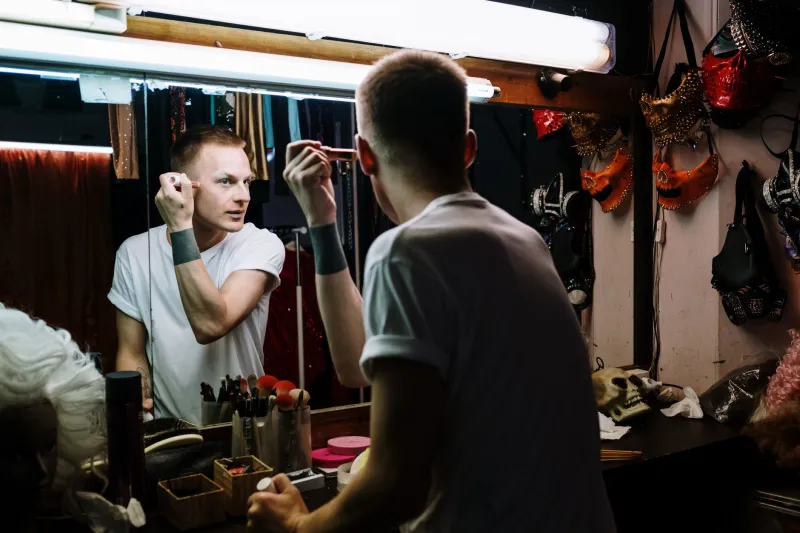
The sparkle before the scandal
As families file into regional theatres across Britain for the 2026 pantomime season, the appeal is easy to understand. Pantomime is loud, warm, chaotic and gloriously communal. It is also, increasingly, a showcase for the kind of disposable spectacle that the rest of the cultural sector claims to be moving beyond. Behind the painted flats and the pantomime dame’s wink lies a supply chain dressed in sequins, acrylic jewels, synthetic hair and plastic merchandise.
The problem is not that theatre uses materials. It is that pantomime, with its annual reinvention and its appetite for visual excess, has developed a dependence on plastics that few venues appear to measure, let alone challenge. In a year when the UK is meant to be accelerating towards a circular economy, the 2026 pantomime season risks becoming another festive cover-up.
A supply chain dressed in sequins
Consider the costume department. Traditional pantomime costumes are often built for spectacle rather than longevity: polyester fabrics, acrylic gems, plastic trimmings, foam props and synthetic wigs. Some pieces are hired and reused, but many are made for a single production and discarded when the run ends. The same applies to set dressing, where lightweight plastic mouldings and printed vinyl can be cheaper than durable alternatives.
Then there is the snow. Stage snow machines rely on fluid and plastic components, whilst fake snow can be made from polymer granules that are difficult to contain and almost impossible to recover once scattered across a stage. Add the merchandise stall: light-up wands, plastic tiaras, novelty toys and branded cups, much of it imported, much of it destined for landfill by January.
Interval drinks bring another layer. Reusable cup schemes exist in some venues, but they are far from universal. Where deposit-return systems are absent, a single busy pantomime run can generate thousands of single-use cups, alongside food packaging and promotional materials.
The measurement vacuum
The most troubling aspect is not any one item. It is the absence of data. The UK theatre sector has made genuine progress on carbon reporting, with initiatives such as Julie’s Bicycle encouraging venues and productions to account for energy use and travel. Plastic, however, remains a blind spot. Few theatres publish material inventories for their productions. Fewer still set targets for reducing single-use plastic across costumes, props, merchandise and front-of-house operations.
Without measurement, claims of sustainability become decorative. A venue may install LED lighting and promote a reusable cup scheme whilst simultaneously ordering thousands of plastic novelty items for its pantomime shop. The public sees the LED bulbs and the recycling bins; it does not see the procurement spreadsheet.
Green claims, festive realities
This is not to say that theatres are acting in bad faith. Many are constrained by tight budgets, short production cycles and the expectations of audiences accustomed to a certain scale of spectacle. But corporate accountability requires more than good intentions. It requires supply-chain transparency, clear targets and a willingness to say no to materials that cannot be reused, repaired or responsibly recovered.
The 2026 season offers a test. Will venues audit their pantomime plastics? Will producers require costume and set suppliers to disclose material content? Will merchandise buyers prioritise durable, plastic-free alternatives, even if margins suffer? Will theatres publish what they find, including the uncomfortable numbers?
What a responsible season looks like
A credible approach would begin with a material inventory for every production: costumes, wigs, props, set dressing, merchandise, cups, packaging and promotional print. Venues should set reduction targets for single-use plastic and report against them publicly. Costume and set designers should be briefed on circularity from the outset, with reuse and hire built into contracts rather than treated as an afterthought.
Glitter should be phased out unless it can be demonstrably contained and recovered. Snow effects should be reviewed for polymer content. Merchandise should favour durable, repairable and plastic-free products, with any plastic items covered by take-back or deposit schemes. Front-of-house should adopt reusable cups as standard, not as a pilot.
Most importantly, theatres should talk about it. Pantomime speaks directly to children and families. It is uniquely placed to normalise reuse, repair and refusal. A green pantomime does not have to be a dull one. It simply has to stop pretending that sparkle comes without a cost.
Behind you is the waste
Britain’s theatres are rightly celebrated as civic assets. But celebration should not become exemption. The 2026 pantomime season can be a turning point, or it can be another year in which the industry hides its plastic problem behind a curtain of glitter. Audiences, funders and local councils should ask the awkward questions. The sector should answer them before the final curtain falls.