Stable Lies: Britain's Equestrian Elite Gallops Towards Environmental Catastrophe
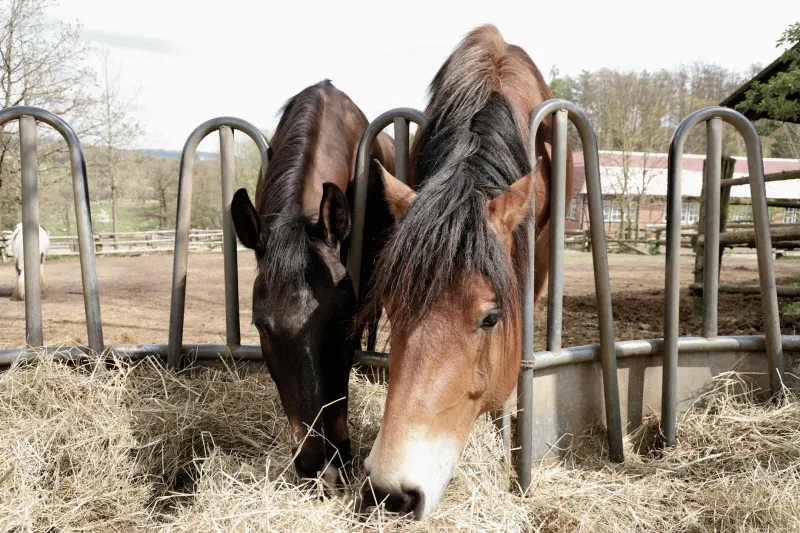
The Countryside Contradiction
Across Britain's verdant landscapes, where morning mist clings to paddocks and the thunder of hooves echoes through ancient woodlands, lies an industry built upon environmental hypocrisy. The equestrian sector, valued at £4.7 billion annually, has cultivated an image of harmony with nature whilst systematically undermining the very countryside it claims to cherish.
This disconnect between perception and reality extends far beyond the manicured grounds of elite competition venues. From Pony Club activities in village halls to Olympic training facilities, Britain's horse-riding culture generates vast quantities of plastic waste that remain conspicuously absent from environmental discourse.
Feed Bag Fallacy
The foundation of equestrian plastic pollution begins with the most basic necessity: feeding horses. Britain's 1.3 million horses consume approximately 2.6 million tonnes of manufactured feed annually, virtually all delivered in non-recyclable plastic packaging.
Major feed manufacturers including Spillers, Dengie, and Allen & Page distribute their products in multi-layered plastic sacks designed to prevent moisture ingress and extend shelf life. These bags, combining polyethylene outer layers with metallised inner films, cannot be processed through conventional recycling streams.
A typical riding establishment housing 30 horses generates approximately 1,200 empty feed bags annually, representing roughly 480 kilograms of plastic waste destined for landfill. Scaled across Britain's estimated 15,000 commercial yards, this single waste stream produces 7,200 tonnes of plastic pollution yearly.
The British Equestrian Federation has consistently ignored calls to address feed packaging sustainability, instead prioritising nutritional standards that inadvertently encourage plastic-intensive packaging solutions.
Supplement Excess
Beyond basic nutrition, Britain's pampered horses consume an extraordinary array of supplements, each wrapped in elaborate plastic packaging designed to convey premium quality and scientific credibility. The equestrian supplement market, worth approximately £180 million annually, operates with complete disregard for environmental impact.
Companies such as NAF, Global Herbs, and Science Supplements package individual daily doses in plastic sachets, creating convenience for horse owners whilst generating enormous waste volumes. A single horse receiving comprehensive supplementation can generate 365 plastic sachets annually, multiplied across Britain's horse population to produce devastating environmental consequences.
These supplements, often containing identical active ingredients to human equivalents, command premium prices partly justified by elaborate packaging that serves no functional purpose beyond marketing differentiation.
Stable Management Sins
Modern stable management relies heavily on disposable plastic products that previous generations of horse owners managed without. Plastic feed buckets, water containers, grooming tool handles, and stable accessories have replaced traditional materials without meaningful consideration of environmental impact.
The rise of 'muck sacks' – heavy-duty plastic bags used for manure removal – exemplifies this trend. British stables consume approximately 12 million muck sacks annually, representing 1,800 tonnes of single-use plastic that historically would have been unnecessary when manure was composted on-site.
Synthetic stable bedding, marketed as hygienic and convenient, introduces microplastics directly into agricultural systems when spread on fields as fertiliser. Products such as Shavings Plus and Bedmax contain plastic fibres that persist in soil indefinitely, contradicting the industry's claims of environmental stewardship.
Equipment Evolution
Traditional leather tack, crafted by skilled artisans and lasting decades with proper care, has been systematically replaced by synthetic alternatives manufactured from petroleum-derived materials. Modern riding equipment prioritises convenience and cost reduction over durability and environmental responsibility.
Synthetic saddle pads, bridles, and boots shed microplastics during use, contaminating paddocks and eventually entering waterways through surface runoff. The Saddlery Trade Association has actively promoted these products without acknowledging their environmental implications or supporting research into sustainable alternatives.
Competition environments compound these problems, with single-use ear plugs, disposable hoof protection, and plastic identification systems generating additional waste streams that receive no regulatory oversight.
The Eventing Economy
Britain's prestigious equestrian events, from local shows to international competitions at Badminton and Burghley, operate as showcases for unsustainable consumption patterns. Spectators and participants generate enormous volumes of plastic waste through catering, merchandising, and event management practices.
The British Eventing organisation has failed to implement meaningful waste reduction strategies, instead relying on superficial recycling initiatives that address symptoms rather than causes. Corporate sponsors continue promoting plastic-intensive products without facing scrutiny for their environmental impact.
Rural Responsibility Deficit
The equestrian industry's environmental failures are particularly egregious given its rural location and claimed connection to countryside values. Horse owners, who often position themselves as custodians of Britain's agricultural heritage, demonstrate remarkable indifference to their plastic consumption patterns.
This cognitive dissonance extends to equestrian publications and organisations that promote conservation whilst accepting advertising revenue from companies whose products fundamentally undermine environmental health.
Innovation Isolation
Despite the industry's considerable wealth and influence, investment in sustainable alternatives remains minimal. A handful of pioneering companies, including Hemp Horse and Natural Horse Care, have developed plastic-free products that demonstrate viable alternatives exist.
These innovations face resistance from established supply chains and consumer habits conditioned to prioritise convenience over environmental responsibility. The absence of regulatory pressure allows mainstream manufacturers to ignore sustainability concerns without commercial consequence.
Regulatory Requirements
Britain's equestrian industry requires immediate regulatory intervention to address its environmental impact. Proposed measures should include extended producer responsibility schemes for feed and supplement packaging, mandatory microplastic emission disclosures for synthetic equipment, and waste reporting requirements for commercial yards.
The Department for Environment, Food and Rural Affairs must recognise that agricultural exemptions cannot justify unlimited plastic consumption within equestrian operations. Environmental standards applied to other rural industries should extend equally to horse-related activities.
 Photo: Department for Environment, Food and Rural Affairs, via www.jeuxetcompagnie.fr
The Path Forward
Transforming Britain's equestrian sector demands fundamental changes in industry attitudes, consumer behaviour, and regulatory oversight. The countryside that provides the setting for these activities deserves protection from the plastic pollution that currently defines modern horse ownership.
Without decisive action, future generations will inherit landscapes scarred by the detritus of our equestrian obsessions, where microplastics contaminate the very soil that once sustained Britain's agricultural heritage.