Grooming for Disaster: Britain's Pet Pampering Industry Unleashes Plastic Pollution
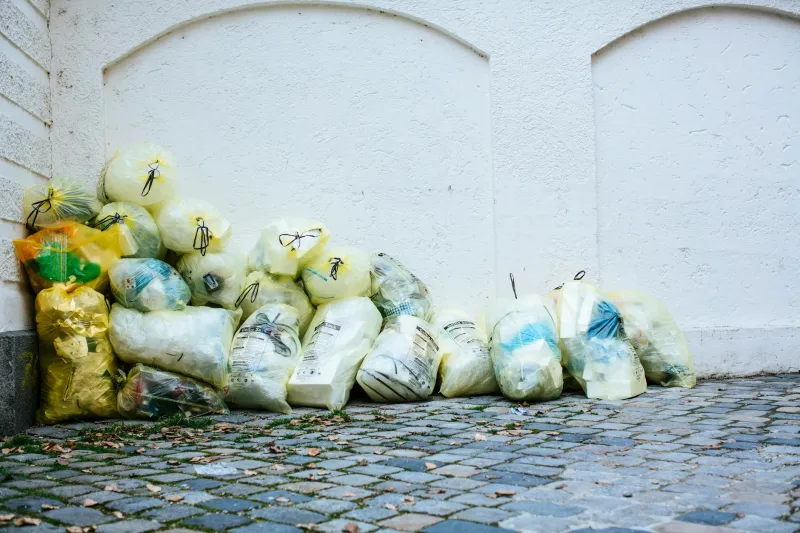
Pampered Pets, Polluted Planet
Britain's dog grooming industry has transformed from occasional necessity to regular indulgence, with over 2.3 million dogs receiving professional grooming services annually. This booming sector, worth approximately £500 million, positions itself as essential pet care whilst quietly generating vast quantities of plastic waste that would horrify the animal-loving customers driving its growth.
The contradiction is stark: an industry built on animal welfare systematically polluting the natural environments those same animals inhabit.
The Disposable Grooming Revolution
Modern dog grooming salons operate on principles of hygiene and efficiency that prioritise single-use plastic equipment over environmental responsibility. A typical grooming session for one medium-sized dog generates approximately 250g of plastic waste—disposable aprons, plastic-lined towels, single-use nail files, and shrink-wrapped accessories.
Multiply this across Britain's estimated 8,000 professional grooming businesses, each serving 15-20 dogs daily, and the scale becomes staggering: over 700 tonnes of plastic waste annually from grooming operations alone.
"Everything comes pre-packaged now," explains Sarah Mitchell, who operates a grooming salon in Surrey. "The suppliers say it's for hygiene, but honestly, we managed perfectly well with washable equipment for decades. Now even the nail clippers come in individual plastic blisters."
 Photo: Sarah Mitchell, via filmfreeway-production-storage-01-connector.filmfreeway.com
Product Packaging Proliferation
The retail component of dog grooming amplifies the plastic problem exponentially. Specialist shampoos, conditioners, and styling products arrive encased in multiple layers of packaging—plastic bottles within plastic shrink-wrap, accompanied by plastic information cards and sealed in plastic shipping bags.
Petco, one of Britain's largest pet retail chains, stocks over 400 grooming products, with 87% packaged in non-recyclable mixed plastics. Their "natural" and "organic" product lines often feature the most elaborate packaging, with premium brands using plastic pumps, applicator caps, and protective films that render the containers unrecyclable despite prominent recycling symbols.
The Accessory Avalanche
Dog grooming has spawned an entire ecosystem of plastic accessories marketed to devoted pet owners. Hair clips, bows, bandanas, and seasonal costumes arrive individually wrapped in plastic, often accompanied by plastic hangers and sealed in plastic display packets.
The seasonal nature of many products exacerbates waste generation. Christmas-themed dog accessories, Halloween costumes, and summer cooling products create cyclical spikes in plastic consumption, with items used briefly before disposal.
Mobile Grooming's Hidden Impact
Britain's mobile grooming sector, comprising over 1,200 van-based operations, presents additional environmental challenges. These businesses rely heavily on single-use supplies due to limited water and storage capacity. Mobile groomers typically use 40% more disposable items per dog than salon-based competitors, including plastic water containers, disposable drying towels, and single-use cleaning products.
Regulatory Vacuum
The pet grooming industry operates with minimal environmental oversight. Unlike food service businesses, which face increasing pressure to eliminate single-use plastics, grooming salons remain largely unregulated regarding waste generation and packaging choices.
Local authorities lack specific guidelines for pet service businesses, leaving environmental impact assessment to individual operators' discretion. This regulatory gap enables continued plastic dependency without accountability or improvement targets.
Professional Training's Plastic Bias
Grooming education programmes inadvertently perpetuate plastic dependency by teaching hygiene protocols based on disposable equipment. City & Guilds grooming qualifications emphasise single-use tools as professional standards, creating new practitioners who view plastic waste as inevitable rather than problematic.
Training providers receive sponsorship from equipment manufacturers with vested interests in promoting disposable products, creating systemic bias towards plastic-heavy practices throughout the industry.
Consumer Complicity
Pet owners often demand the very practices that generate excessive plastic waste. Concerns about hygiene and cross-contamination drive requests for "fresh" equipment and individually packaged products, even when reusable alternatives exist.
Social media culture amplifies this trend, with grooming businesses showcasing elaborate styling accessories and branded products to attract customers seeking Instagram-worthy results for their pets.
Alternative Approaches
Some progressive grooming businesses demonstrate that environmental responsibility and professional standards can coexist. Green Paws Grooming in Brighton has eliminated 90% of single-use plastics by investing in sterilisation equipment, reusable tools, and bulk product dispensers.
"Our clients love knowing we're protecting the environment their dogs will inherit," explains owner James Thompson. "The upfront investment in proper sterilisation equipment paid for itself within eighteen months through reduced supply costs."
Industry Transformation Potential
The grooming sector's environmental impact could be dramatically reduced through relatively simple changes: bulk product dispensing, reusable tool systems, and packaging-free accessory sales. However, transformation requires industry-wide commitment rather than isolated individual efforts.
Professional grooming associations must acknowledge their role in perpetuating plastic dependency and develop environmental guidelines that balance hygiene requirements with sustainability principles.
The Reckoning
Britain's dog grooming industry cannot continue marketing itself as caring for animals whilst systematically polluting their environment. The cognitive dissonance between animal welfare advocacy and environmental destruction undermines the sector's moral authority and long-term viability.
Pet owners who invest hundreds of pounds annually in grooming services deserve transparency about the environmental cost of their care choices. The industry that profits from our love for animals must demonstrate equivalent care for the planet those animals inhabit.