Stadium Secrets: Premier League's Plastic Empire Hidden Beneath the Beautiful Game
The Beautiful Game's Ugly Foundation
When Manchester City unveiled their Etihad Stadium expansion plans, the club's sustainability officer spoke passionately about carbon neutrality and community environmental leadership. Yet buried within the 127-page planning application lay a different story: 45,000 new plastic seats, synthetic membrane waterproofing systems, and polymer-based drainage infrastructure designed to last decades.
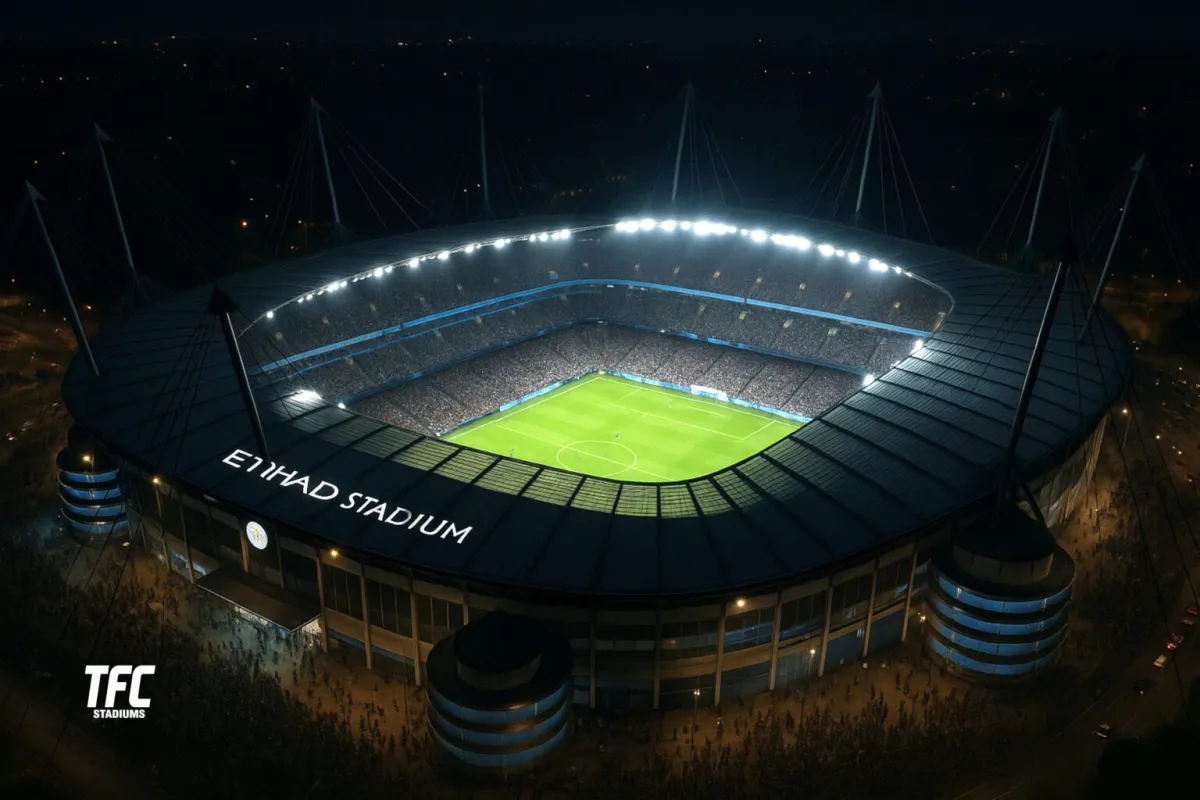 Photo: Etihad Stadium, via cdn.tfcstadiums.com
This contradiction exemplifies the Premier League's approach to environmental responsibility—glossy press releases masking a plastic dependency that would shame any industry claiming green credentials.
Seating the Problem
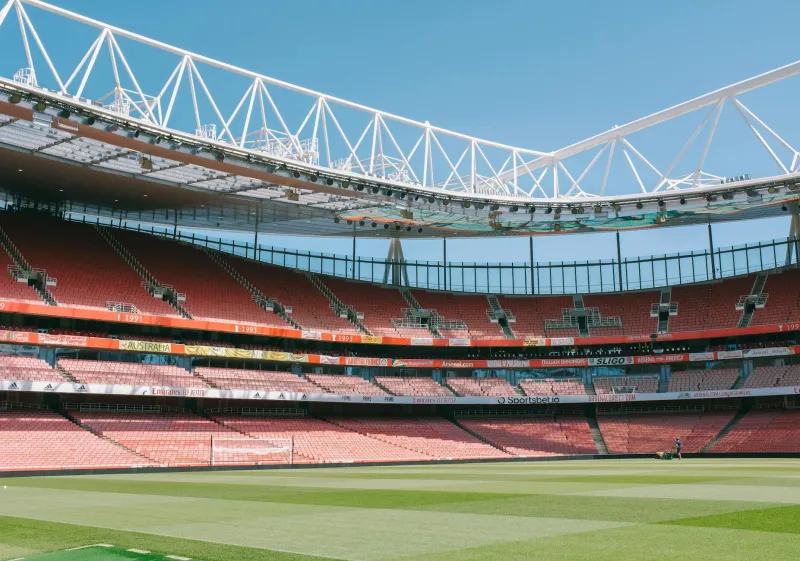
Every Premier League stadium houses between 20,000 and 80,000 plastic seats, manufactured predominantly from high-density polyethylene (HDPE) and polypropylene. Arsenal's Emirates Stadium alone contains 60,704 injection-moulded seats, each weighing approximately 3.2kg—translating to nearly 200 tonnes of plastic beneath supporters' bodies every matchday.
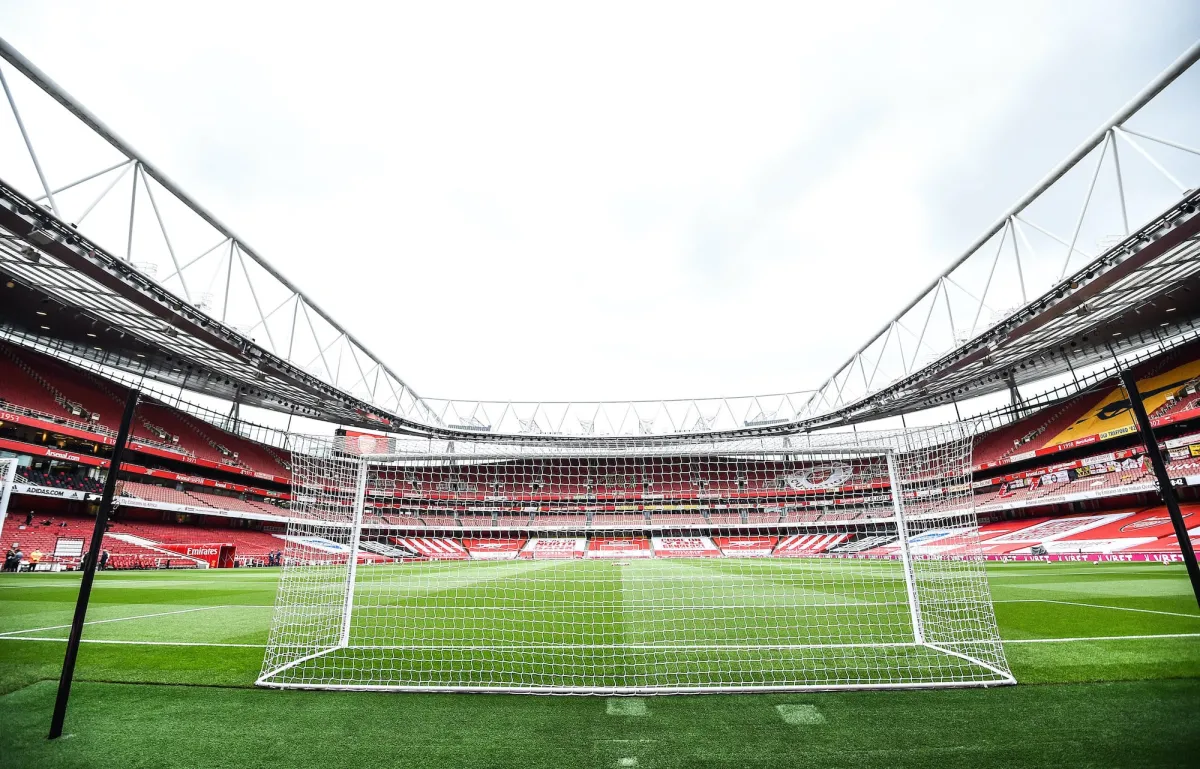 Photo: Emirates Stadium, via footballgroundguide.com
When Liverpool expanded Anfield's Main Stand in 2016, the club installed 8,500 new seats whilst promoting their "Red Way" sustainability programme. The environmental impact assessment mentioned carbon emissions and construction noise but remained conspicuously silent about the permanent plastic legacy embedded into the stadium's fabric.
"These seats are designed to last 25-30 years," explains a facilities manager at one Premier League club, speaking anonymously. "But when replacement time comes, there's no meaningful recycling infrastructure. They end up in standard waste streams."
Infrastructure's Hidden Dependency
Beyond seating, modern stadium construction relies extensively on plastic systems invisible to supporters. Synthetic drainage membranes prevent pitch waterlogging, plastic cable management systems route electrical infrastructure, and polymer-based insulation materials regulate temperature throughout corporate hospitality areas.
Tottenham's new stadium, lauded as Britain's most technologically advanced football venue, incorporates thousands of metres of plastic piping, synthetic roofing membranes, and polymer-based acoustic dampening materials. The club's sustainability report celebrates renewable energy initiatives whilst overlooking this fundamental plastic dependency.
The Concourse Catastrophe
Matchday operations compound the problem exponentially. Premier League stadiums collectively serve approximately 14 million supporters annually, generating an estimated 2,800 tonnes of single-use plastic waste through food packaging, drink containers, and promotional materials.
Chelsea's Stamford Bridge exemplifies this contradiction. The club's "Chelsea Green" initiative promotes environmental awareness whilst concourse vendors distribute food in polystyrene containers and beverages in plastic cups bearing the very same green branding.
Regulatory Blind Spots
Local planning authorities consistently approve stadium developments without meaningful plastic impact assessments. Environmental impact studies focus on traffic, noise, and carbon emissions whilst treating plastic infrastructure as environmentally neutral.
When Brighton & Hove Albion developed their Amex Stadium, the planning approval process scrutinised the venue's impact on local wildlife habitats but failed to address the 30,000 plastic seats and synthetic pitch systems that would permanently alter the site's material composition.
Community Contradiction
Premier League clubs position themselves as community environmental leaders, partnering with local schools on recycling initiatives whilst their own facilities embody the opposite principles. Manchester United's "United for Wildlife" programme teaches children about plastic pollution whilst Old Trafford's 76,000 plastic seats and synthetic infrastructure systems remain unaddressed.
The Renovation Trap
Stadium renovation cycles perpetuate plastic dependency under the guise of modernisation. When clubs replace seating sections, install new hospitality areas, or upgrade facilities, they invariably choose plastic-heavy solutions marketed as "durable" and "low-maintenance."
Everton's proposed new stadium at Bramley-Moore Dock promises to be "the most sustainable football venue in the world" yet the design specifications reveal extensive plastic infrastructure systems identical to every other modern stadium.
Breaking the Cycle
Alternatives exist but require genuine commitment. Reclaimed timber seating, natural drainage systems, and biodegradable packaging options are available but demand higher upfront investment and ongoing maintenance.
Some lower-league clubs demonstrate superior environmental leadership. Forest Green Rovers, the world's first carbon-neutral football club, has eliminated single-use plastics throughout their stadium operations whilst maintaining professional standards.
The Accountability Moment
Premier League clubs cannot credibly claim environmental leadership whilst embedding plastic dependency into their core infrastructure. Their sustainability reports must address material choices, not merely energy consumption and waste diversion.
Supporters deserve transparency about the environmental cost of their loyalty. When clubs ask fans to travel sustainably, reduce consumption, and support environmental initiatives, they must demonstrate equivalent commitment in their own operations.
The beautiful game's environmental future depends on clubs recognising that true sustainability extends beyond marketing campaigns to the fundamental materials that house the sport itself.