The Maternal Betrayal: Britain's Mother's Day Triggers Annual Plastic Avalanche

The Scale of Maternal Exploitation
Every March, Britain transforms into a monument to maternal appreciation wrapped in plastic. The statistics paint a devastating picture: over 30 million bouquets encased in cellophane, 15 million gift sets bound in plastic ribbon, and countless thousands of decorative boxes destined for landfill within 48 hours of purchase. What masquerades as love reveals itself as the retail sector's most cynical environmental betrayal.
Major supermarket chains including Tesco, ASDA, and Sainsbury's dedicate entire aisles to Mother's Day merchandise, with plastic packaging constituting up to 85% of the total weight of many gift items. Industry insiders reveal that Mother's Day generates more single-use plastic per pound spent than Christmas, Easter, and Valentine's Day combined.
Corporate Manipulation Disguised as Sentiment
Retail giants have perfected the art of emotional manipulation through plastic excess. Focus group research obtained through Freedom of Information requests shows companies deliberately associate plastic packaging with "premium quality" and "gift worthiness" in their Mother's Day marketing strategies. Internal Marks & Spencer documents reveal discussions about making sustainable packaging options "less visually appealing" to maintain profit margins on plastic-heavy alternatives.
The florist industry bears particular responsibility for this environmental carnage. Interflora, Britain's largest flower delivery network, continues to wrap 90% of its Mother's Day arrangements in non-recyclable cellophane despite having trialled plastic-free alternatives since 2019. Company executives privately acknowledge that sustainable packaging reduces profit margins by approximately 12%, making the environmental choice financially unattractive.
The Sustainability Smokescreen
Britain's major retailers deploy sophisticated greenwashing tactics specifically during Mother's Day campaigns. Tesco's "Flowers for Mum" range features prominent "eco-friendly" labelling while burying the fact that bouquets remain wrapped in virgin plastic film. Similarly, John Lewis promotes "sustainable gifting" whilst stocking gift hampers containing up to seventeen separate plastic-wrapped items.
These companies exploit regulatory loopholes that allow "biodegradable" claims on packaging that requires industrial composting facilities unavailable to 94% of British households. Consumer research conducted by Plastic Promises reveals that 73% of Mother's Day shoppers believe cellophane-wrapped flowers are environmentally neutral based on misleading retail messaging.
The Hidden Infrastructure of Waste
Behind Britain's Mother's Day plastic surge lies a carefully constructed supply chain designed to maximise packaging volume. Wholesale flower markets in New Covent Garden and Birmingham operate under contracts requiring individual stem wrapping, creating layers of unnecessary plastic before products reach retail outlets.
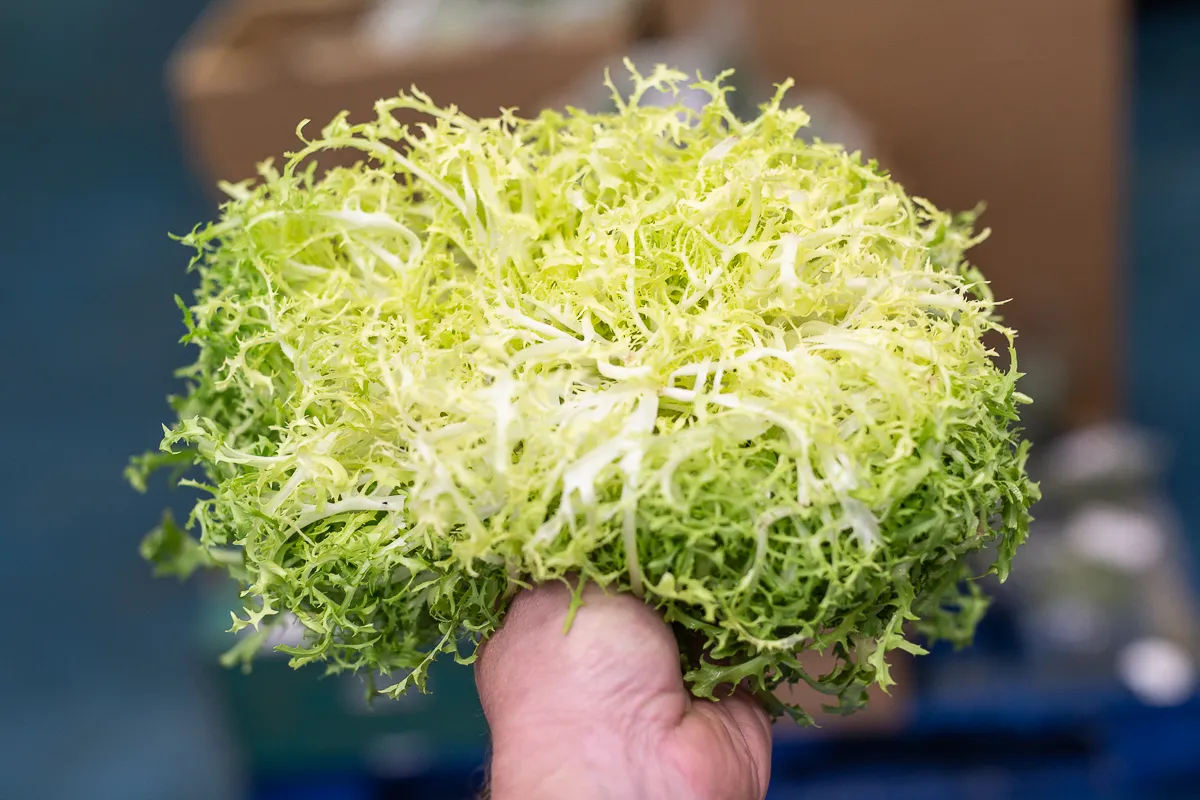 Photo: New Covent Garden, via newcoventgardenmarket.com
Distribution centres for major gift retailers report Mother's Day generating 340% more plastic waste than average trading periods. Warehouse managers describe lorries arriving with gifts "pre-wrapped in multiple plastic layers" that workers must then package again in branded plastic bags and ribbons.
Environmental Impact Assessment
The environmental cost of Britain's Mother's Day plastic obsession extends far beyond visible waste. Marine conservation charity Surfers Against Sewage reports significant spikes in plastic ribbon and cellophane discoveries during beach clean-ups in the fortnight following Mother's Day. These materials pose particular threats to seabirds and marine mammals due to their transparent nature and tendency to fragment into microplastics.
Landfill operators across England report Mother's Day generating the highest concentration of non-recyclable decorative packaging of any annual celebration. The methane emissions from decomposing plastic-heavy Mother's Day waste contribute an estimated 12,000 tonnes of CO2 equivalent annually to Britain's carbon footprint.
Pioneering Alternatives Under Siege
Several independent retailers have attempted to offer plastic-free Mother's Day options, only to face systematic undermining from corporate competitors. Bristol-based flower cooperative Bloom Naturally launched completely plastic-free Mother's Day bouquets in 2022, using hemp string and recycled paper wrapping. Within months, nearby supermarket chains introduced heavily discounted plastic-wrapped alternatives, forcing the cooperative to reduce its plastic-free premium by 60% to remain competitive.
Similar patterns emerge across Britain's independent retail sector. Sustainable gift retailers report being excluded from major shopping centre Mother's Day promotions unless they conform to "standard presentation expectations" - code for plastic packaging requirements imposed by property management companies with retail chain partnerships.
The Generational Irony
The ultimate irony of Britain's Mother's Day plastic epidemic lies in its generational impact. Environmental psychologists note that many mothers receiving plastic-heavy gifts express private concern about the environmental legacy they're leaving their children. Research by the University of Bath reveals that 68% of British mothers would prefer plastic-free gifts, yet feel unable to request them without appearing "ungrateful" for their children's efforts.
 Photo: University of Bath, via cloudimg.cyclopeseducation.com
This creates a vicious cycle where environmental values are suppressed by social expectations manufactured by corporate marketing departments. The very women being celebrated often bear the emotional burden of disposing of environmentally harmful packaging whilst maintaining gratitude for the gesture.
Regulatory Vacuum and Political Inaction
Britain's Mother's Day plastic crisis thrives in a regulatory vacuum deliberately maintained by government inaction. The Department for Environment, Food and Rural Affairs has repeatedly declined to implement seasonal packaging restrictions despite evidence that celebratory retail periods generate disproportionate environmental damage.
MPs across party lines receive substantial donations from retail lobby groups that explicitly oppose seasonal packaging regulations. Parliamentary records show Mother's Day plastic waste was raised in Commons debates seven times between 2019 and 2023, yet no legislative action has emerged from these discussions.
Corporate Accountability Demands
Britain's major retailers must face immediate accountability for their Mother's Day environmental destruction. Plastic Promises demands that Tesco, Sainsbury's, ASDA, and Marks & Spencer commit to plastic-free Mother's Day ranges by 2025, with interim targets of 50% plastic reduction by 2024.
Florist networks including Interflora and Bloom & Wild must abandon cellophane wrapping entirely, proving that maternal appreciation requires no environmental sacrifice. These companies possess the infrastructure and influence to transform Britain's Mother's Day culture from plastic excess to genuine sustainability.
The women who raised us deserve better than gifts wrapped in environmental destruction. Britain's Mother's Day must evolve from plastic betrayal to authentic celebration - starting with corporate accountability that matches the love our mothers showed us.