Britain's Pill Packaging Pandemic: The Pharmaceutical Industry's Silent Environmental Assault
The Invisible Environmental Crisis
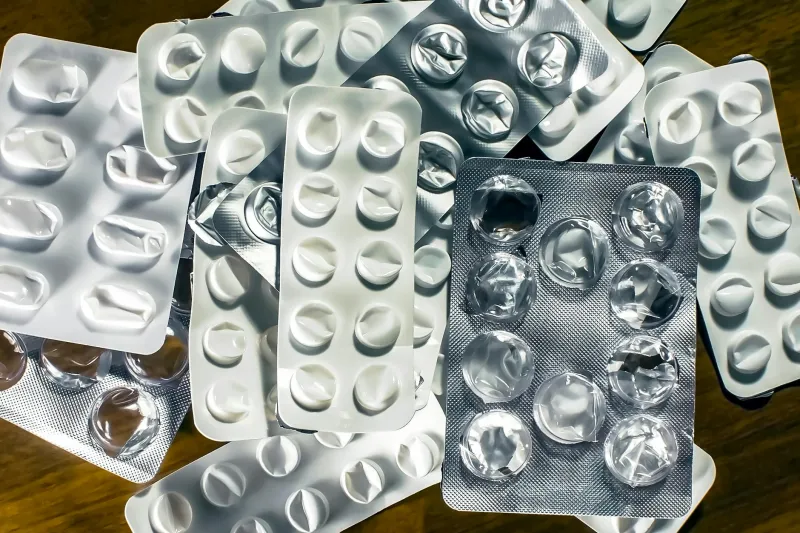
Beneath Britain's healthcare system lies an environmental catastrophe hidden in plain sight. Every prescription dispensed contributes to a pharmaceutical packaging epidemic that generates over 45,000 tonnes of unrecyclable plastic waste annually. Unlike the visible plastic pollution from supermarket packaging or takeaway containers, medicine packaging operates in a regulatory vacuum that shields pharmaceutical giants from environmental accountability.
The scale of this crisis defies comprehension. NHS England processes 1.13 billion prescription items annually, each wrapped in layers of pharmaceutical plastic designed for single use and immediate disposal. Blister packs, medicine bottles, inhaler casings, and prescription bags create a waste stream that dwarfs many industries subject to intense environmental scrutiny, yet pharmaceutical packaging remains exempt from sustainability regulations applied to other sectors.
Regulatory Blind Spot by Design
Britain's pharmaceutical packaging regulations prioritise drug safety whilst completely ignoring environmental impact. The Medicines and Healthcare products Regulatory Agency (MHRA) operates under guidelines that haven't been updated to reflect environmental concerns since 1994, creating a regulatory framework that actively prevents sustainable packaging innovation.
Pharmaceutical companies exploit this regulatory blind spot through packaging designs that maximise plastic usage whilst claiming safety necessities. Internal documents from GlaxoSmithKline reveal discussions about "optimising package volumes to increase shelf presence" and "utilising maximum plastic thickness to convey premium therapeutic value." These strategies transform medicine packaging into environmental destruction disguised as healthcare necessity.
The European Medicines Agency has implemented pharmaceutical packaging sustainability requirements since 2021, yet Britain's post-Brexit regulatory independence has been used to maintain environmentally destructive packaging standards that benefit pharmaceutical profit margins. MHRA officials privately acknowledge that updating packaging regulations to include environmental criteria would "create administrative burdens" for an industry that contributes substantially to Conservative Party funding.
NHS Procurement Failures
The NHS's procurement system actively incentivises environmentally destructive pharmaceutical packaging through contracts that prioritise cost over sustainability. Clinical Commissioning Groups operate under financial pressures that make sustainable packaging options economically unattractive, creating a healthcare system that systematically chooses environmental destruction over ecological responsibility.
NHS Supply Chain, which manages pharmaceutical procurement for the entire health service, has repeatedly declined to implement environmental criteria in supplier contracts despite mounting evidence of packaging-related environmental damage. Internal emails obtained through Freedom of Information requests reveal concerns that sustainable packaging requirements would "compromise our ability to secure lowest-cost pharmaceutical supplies."
This procurement failure extends to individual pharmacy contracts. Community pharmacies operate under NHS dispensing agreements that specify packaging standards focused exclusively on drug safety and patient information, with no consideration for environmental impact. Pharmacy owners report being contractually prevented from offering sustainable packaging alternatives even when patients specifically request them.
Corporate Pharmaceutical Responsibility Vacuum
Britain's pharmaceutical giants operate with complete environmental impunity regarding packaging waste. AstraZeneca, one of Britain's largest pharmaceutical companies, produces over 400 million units of packaged medication annually whilst maintaining no public targets for packaging waste reduction. Company sustainability reports focus exclusively on manufacturing emissions whilst ignoring the environmental impact of product packaging that patients dispose of daily.
Similarly, GlaxoSmithKline promotes corporate environmental responsibility through renewable energy initiatives whilst continuing to package common medications in multi-layered plastic systems designed for maximum shelf appeal rather than environmental compatibility. The company's Sensodyne toothpaste range uses recyclable tubes, yet their prescription medications remain wrapped in completely unrecyclable blister packs and plastic bottles.
Pharmaceutical packaging represents the ultimate corporate environmental hypocrisy - companies that profit from public health whilst systematically undermining environmental health through unnecessary plastic waste. These organisations possess the resources and technical expertise to develop sustainable packaging alternatives, yet choose profit maximisation over planetary protection.
Patient Complicity and Choice Elimination
Britain's healthcare system eliminates patient choice regarding pharmaceutical packaging sustainability. Unlike food shopping, where consumers can choose loose vegetables over plastic-wrapped alternatives, patients cannot opt for sustainable medicine packaging without compromising their health treatment. This creates a captive market where environmental values must be abandoned to access essential healthcare.
Patient surveys reveal widespread concern about pharmaceutical packaging waste, with 74% of chronic medication users expressing willingness to accept alternative packaging if environmental benefits were explained. Yet the current system provides no mechanism for patient environmental preferences to influence packaging decisions, creating a healthcare model that forces environmental destruction upon unwilling participants.
This elimination of choice extends to pharmacy-level decisions. Community pharmacists report frequent patient requests for sustainable packaging alternatives, yet remain contractually obligated to dispense medications in manufacturer-specified packaging regardless of environmental concerns. The healthcare system that claims to prioritise patient wellbeing systematically ignores patient environmental values.
Innovation Suppression and Alternative Solutions
Pioneering independent pharmacies across Britain have developed sustainable packaging solutions that prove pharmaceutical plastic waste is unnecessary rather than inevitable. Kingsway Pharmacy in Manchester operates a prescription bottle return scheme that has eliminated over 12,000 plastic containers from waste streams since 2019, whilst maintaining full regulatory compliance and patient safety standards.
Similarly, the Sustainable Pharmacy Network, comprising 47 independent chemists, has trialled reusable prescription containers for chronic medications with remarkable success. Participating pharmacies report 89% patient satisfaction rates and zero safety incidents whilst achieving 67% reduction in packaging waste for participating patients. Yet these innovations remain confined to independent operators due to NHS procurement systems that prevent sustainable alternatives from scaling.
European pharmaceutical packaging innovations demonstrate the technical feasibility of sustainable alternatives. Netherlands-based company BioPharma has developed fully compostable blister packs that maintain medication integrity whilst decomposing completely within 90 days. Swedish pharmaceutical giant Recipharm operates entirely plastic-free packaging for common medications, proving that sustainable pharmaceutical packaging is achievable when environmental responsibility is prioritised over profit maximisation.
Economic Incentives for Environmental Destruction
Britain's pharmaceutical packaging system creates perverse economic incentives that reward environmental destruction whilst penalising sustainability. Plastic packaging costs pharmaceutical companies approximately 3.2p per prescription item, whilst sustainable alternatives cost between 7.8p and 12.1p per item - a difference that translates to £94 million annually across NHS prescription volumes.
Pharmaceutical companies pass these cost differences to NHS procurement systems already operating under severe financial pressure, creating institutional resistance to sustainable packaging that has nothing to do with patient safety or drug efficacy. The economic structure of British healthcare systematically prioritises short-term cost savings over long-term environmental health, generating false economies that socialise environmental costs whilst privatising pharmaceutical profits.
This economic model extends to pharmacy operations, where sustainable packaging initiatives require upfront investment in return systems and staff training that many independent pharmacies cannot afford without NHS support. The healthcare system's financial structure actively prevents the environmental improvements that patients and pharmacists desire.
Immediate Reform Requirements
Britain's pharmaceutical packaging crisis requires immediate regulatory intervention to align healthcare delivery with environmental responsibility. The MHRA must implement mandatory environmental impact assessments for all pharmaceutical packaging, ensuring that drug safety considerations include long-term environmental health impacts rather than narrow chemical stability requirements.
NHS procurement systems require fundamental restructuring to include environmental criteria in all pharmaceutical contracts. Clinical Commissioning Groups must receive government funding to offset sustainable packaging costs, ensuring that environmental responsibility doesn't compromise healthcare budgets already stretched beyond capacity.
Pharmaceutical companies operating in Britain must face mandatory packaging waste reduction targets with financial penalties for non-compliance. The environmental cost of pharmaceutical packaging must be internalised by the companies profiting from environmentally destructive practices rather than externalised to communities dealing with plastic pollution.
Healthcare Environmental Leadership
Britain's healthcare system possesses unique moral authority to lead environmental transformation. The NHS's mission to protect public health logically extends to protecting environmental health, yet current pharmaceutical packaging practices undermine both objectives simultaneously. Healthcare environmental leadership requires acknowledging that planetary health and human health are inseparable rather than competing priorities.
The pharmaceutical sector's environmental transformation offers opportunities for British innovation leadership in sustainable medical technology. Companies that develop truly sustainable pharmaceutical packaging solutions could export these innovations globally, creating economic opportunities whilst addressing environmental challenges.
Britain's pill packaging pandemic represents both environmental crisis and innovation opportunity. The healthcare system that claims to heal must stop systematically poisoning the environment through unnecessary pharmaceutical plastic waste. Patient health and planetary health demand nothing less than complete pharmaceutical packaging transformation.