Something Borrowed, Something Plastic: The Environmental Toll Hidden Within Britain's Wedding Industry
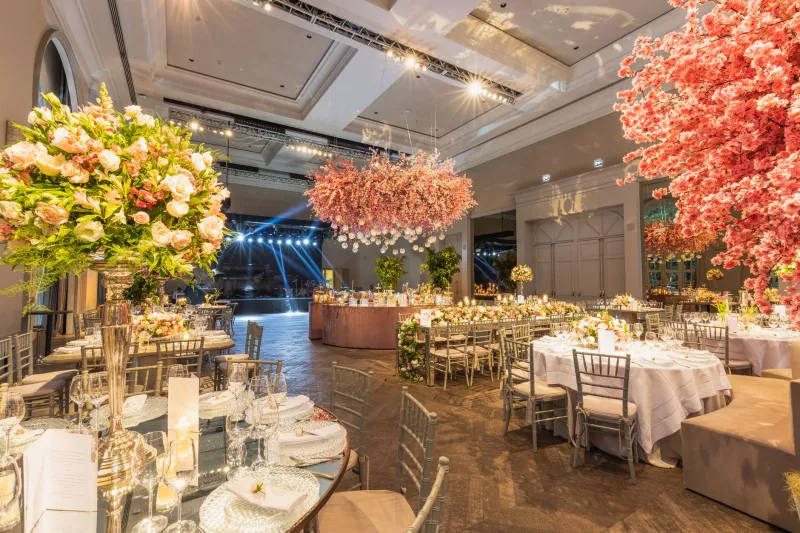
The British wedding has always been a theatre of aspiration. In 2024, that aspiration increasingly includes environmental virtue—couples specifying wildflower seed favours, requesting 'sustainable' floristry, and commissioning invitations printed on recycled card stock. Wedding directories are saturated with suppliers marketing themselves as eco-conscious, and bridal publications routinely feature 'green wedding' guides that present sustainability as an achievable aesthetic choice rather than a structural challenge.
The reality, examined honestly, is rather less romantic. Britain's wedding industry—valued at approximately £10 billion annually and encompassing roughly 250,000 ceremonies each year—is built upon a supply chain that depends, at virtually every stage, on plastic. The gap between the industry's green marketing and its material practices represents one of the more elaborate acts of collective self-deception currently operating within the British consumer economy.
The Bridal Supply Chain's Plastic Foundation
Begin with the dress. A bridal gown purchased from a UK retailer—whether an independent boutique in the Cotswolds or a chain bridal shop in a retail park outside Birmingham—will typically arrive from a manufacturer in China or Eastern Europe encased in layers of protective packaging. The gown itself is frequently constructed from polyester satin, nylon lace, or other synthetic fabrics derived from petrochemicals. It travels in a polyethylene garment bag, is hung on a plastic hanger, and is stored in a polythene-lined box until collection.
Bridesmaids' dresses follow an identical pattern, multiplied by the size of the wedding party. Suits hired from menswear chains arrive in plastic garment covers. Accessories—veils, headpieces, shoes—are packaged in polystyrene-lined boxes and sealed in individual plastic bags. A wedding party of moderate size might generate the equivalent of several bin bags of packaging waste before the ceremony has even begun.
None of this packaging is collected or managed by the suppliers who generate it. It becomes the responsibility—and the problem—of the couple and their families.
Decoration and the Disposable Aesthetic
The visual language of the contemporary British wedding is inseparable from plastic. Balloon installations, now ubiquitous across reception venues from converted barns in Suffolk to city-centre hotels in Glasgow, involve hundreds of latex and foil balloons that are, in practice, single-use items. Foil balloons—the metallic, helium-filled variety that drift across reception ceilings—are constructed from metalized nylon film and are not recyclable under any mainstream collection scheme operating in the United Kingdom.
Table centrepieces frequently incorporate acrylic elements—perspex stands, plastic gem scatter, artificial flowers made from polyester. Fairy lights strung across reception spaces are typically encased in PVC-coated wire. Chair covers and sashes, when used, are often made from synthetic fabrics that shed microfibres throughout their laundering cycle. Confetti cannons dispense biodegradable petals alongside plastic casings that are discarded immediately after use.
The wedding industry has responded to growing environmental awareness not by reforming its supply chains but by developing a vocabulary of 'sustainable' alternatives that, on examination, frequently prove to be marginal improvements rather than genuine solutions. 'Eco-confetti' made from dried leaves is still delivered in plastic sachets. 'Sustainable' floristry arrangements may use fewer imported blooms but are still transported in plastic-lined boxes and conditioned in floral foam—a non-biodegradable, microplastic-shedding substance that remains the default choice across the British floristry trade.
Catering: The Single-Use Infrastructure of Celebration
Outside wedding catering—drinks receptions, evening buffets, late-night snack stations—represents one of the most plastic-intensive aspects of the modern British wedding. Canapés are served on disposable platters. Cocktail napkins come in polywrapped bundles. Drinking straws, stirrers, and cocktail picks are distributed by the hundreds. Evening buffet stations typically employ disposable serving trays, single-use tongs, and individually wrapped condiment sachets.
For weddings held at venues without full kitchen facilities—marquee events in private gardens, for instance, or outdoor ceremonies at heritage sites—the reliance on disposable catering infrastructure intensifies considerably. Compostable alternatives exist, and some caterers offer them, but they command a premium that many couples, already managing significant wedding expenditure, choose not to absorb.
The drinks element alone generates substantial waste. Miniature spirit bottles used as favours or in welcome drinks packages are typically glass with plastic caps—but they arrive shrink-wrapped in plastic trays. Prosecco vans and gin bars, now standard features at British weddings, generate quantities of packaging waste that are absorbed into venue waste streams without any systematic tracking or reporting.
The Thank-You Card Economy
Post-wedding correspondence has evolved into its own modest industry. Stationery suites—invitations, order of service booklets, table plans, menus, place cards, and thank-you cards—are typically produced by specialist printers who, despite frequent claims of environmental commitment, ship their products in plastic-wrapped bundles, sealed in polythene envelopes, and packed in boxes lined with bubble wrap.
Digital alternatives exist, and their uptake is growing. Yet the cultural expectation of physical wedding stationery remains powerful in Britain, sustained by tradition and by an industry with a clear commercial interest in maintaining it. The environmental cost of that expectation—measured in plastic packaging, synthetic inks, and laminated card stock that cannot be recycled—is absorbed invisibly by the couples who comply with it.
The Accountability Gap
No regulatory framework currently requires wedding suppliers operating in the UK to disclose the plastic content of their products, audit their packaging waste, or meet minimum standards of environmental performance. The wedding industry is not subject to the extended producer responsibility obligations that apply to food manufacturers or retailers. It operates, in environmental terms, in a largely ungoverned space.
Wedding directories and planning platforms—Hitched, Bridebook, and their competitors—have begun to introduce 'eco-friendly' supplier filters, but the criteria underpinning these designations are typically self-reported, unverified, and inconsistently defined. A florist who uses recycled ribbon may qualify as 'sustainable' on one platform whilst continuing to use floral foam and non-recyclable packaging without consequence.
This is not a situation that will resolve itself through consumer choice alone. Couples planning weddings are navigating an extraordinarily complex purchasing environment under considerable emotional and social pressure. Expecting them to conduct detailed environmental due diligence across dozens of suppliers simultaneously is neither realistic nor equitable.
Towards an Honest Celebration
The British wedding industry has the cultural reach and the financial resources to lead meaningful change. A sector generating £10 billion annually is not without leverage over its supply chains. The question is whether it possesses the will to exercise that leverage in ways that extend beyond marketing copy.
Mandatory plastic packaging disclosure for wedding suppliers, industry-wide standards for event waste management, and genuine third-party certification for eco-conscious credentials would represent a credible starting point. Until such measures are in place, the green wedding remains, for most British couples, a promise that the industry is not yet equipped to keep.